Dam or Damn: What’s the Difference?
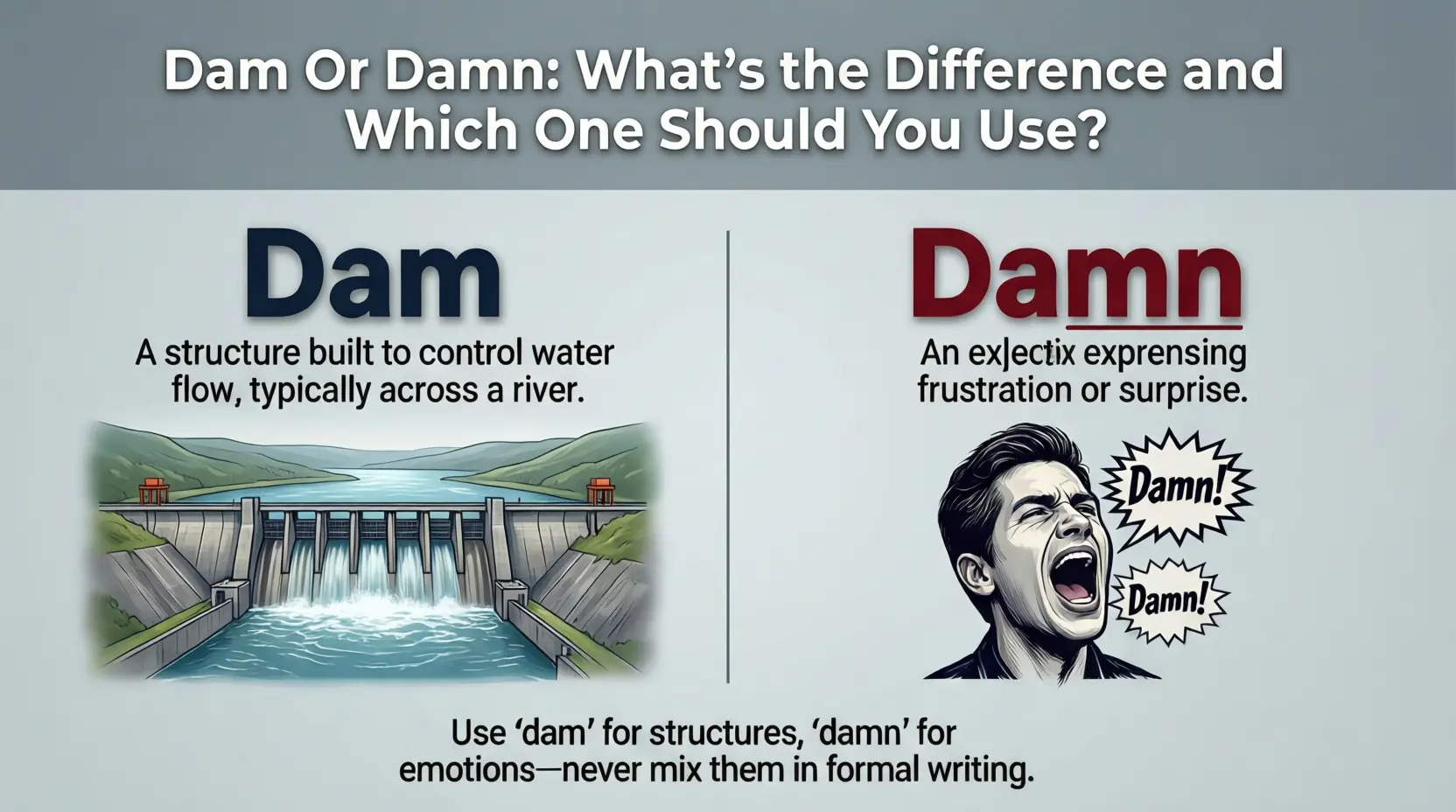
Have you ever typed a message and paused, thinking: Is it “dam” or “damn”? You’re not alone. This is one of those English word pairs that look almost the same but mean very different things.
One missing letter can completely change your sentence and sometimes make it awkward or embarrassing.
People search for “dam or damn” because autocorrect often mixes them up, and both words sound similar when spoken. But here’s the catch: “dam” is a neutral, technical word, while “damn” can be emotional, informal, or even offensive depending on the situation.
Using the wrong one in an email, article, or exam can cause confusion or send the wrong message.
This article clears that confusion once and for all. You’ll learn the quick difference, where each word comes from, how British and American English treat them, and which one fits your audience.
By the end, you’ll know exactly when to use dam and when to use damn with confidence.
Dam or Damn – Quick Answer
Dam = a wall built to stop or control water.
Damn = an emotional word used to show anger, surprise, or emphasis.
Examples:
- The dam protects the village from floods.
- Damn, I forgot my keys.
👉 Simple rule: Water = dam. Emotion = damn.
The Origin of Dam or Damn
Dam comes from Middle Dutch “dam”, meaning a barrier or wall. It has been used for centuries in engineering and geography.
Damn comes from Latin “damnare”, meaning to condemn or judge. Over time, it became a strong emotional word in English.
The spelling difference exists because the words come from completely different languages and histories, even though they sound similar.
British English vs American English Spelling
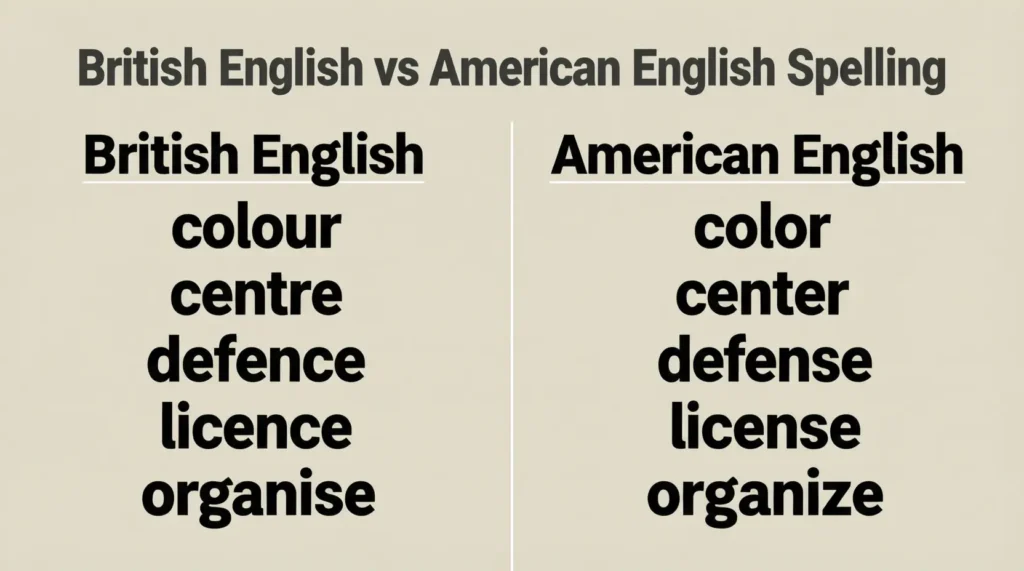
There is no spelling difference between British and American English for these words. The meaning stays the same in both.
| Word | British English | American English | Meaning |
| Dam | Dam | Dam | Water barrier |
| Damn | Damn | Damn | Emotion or curse |
Which Spelling Should You Use?
- US Audience:
Use dam for technical writing. Use damn carefully in informal content. - UK / Commonwealth:
Same rules apply. Damn is still considered strong language. - Global / Professional Writing:
Avoid damn unless quoting speech or writing casually.
👉 Safe choice in formal writing: dam only.
Common Mistakes with Dam or Damn
❌ The river damn broke.
✅ The river dam broke.
❌ This damn holds water.
✅ This dam holds water.
❌ That was a dam good movie.
✅ That was a damn good movie.
Dam or Damn in Everyday Examples
Emails (Formal):
- The dam project will finish next year.
News:
- Heavy rain put pressure on the old dam.
Social Media:
- Damn, that goal was amazing!
Formal Writing:
- Engineers inspected the concrete dam.
Dam or Damn / Google Trends & Usage Data
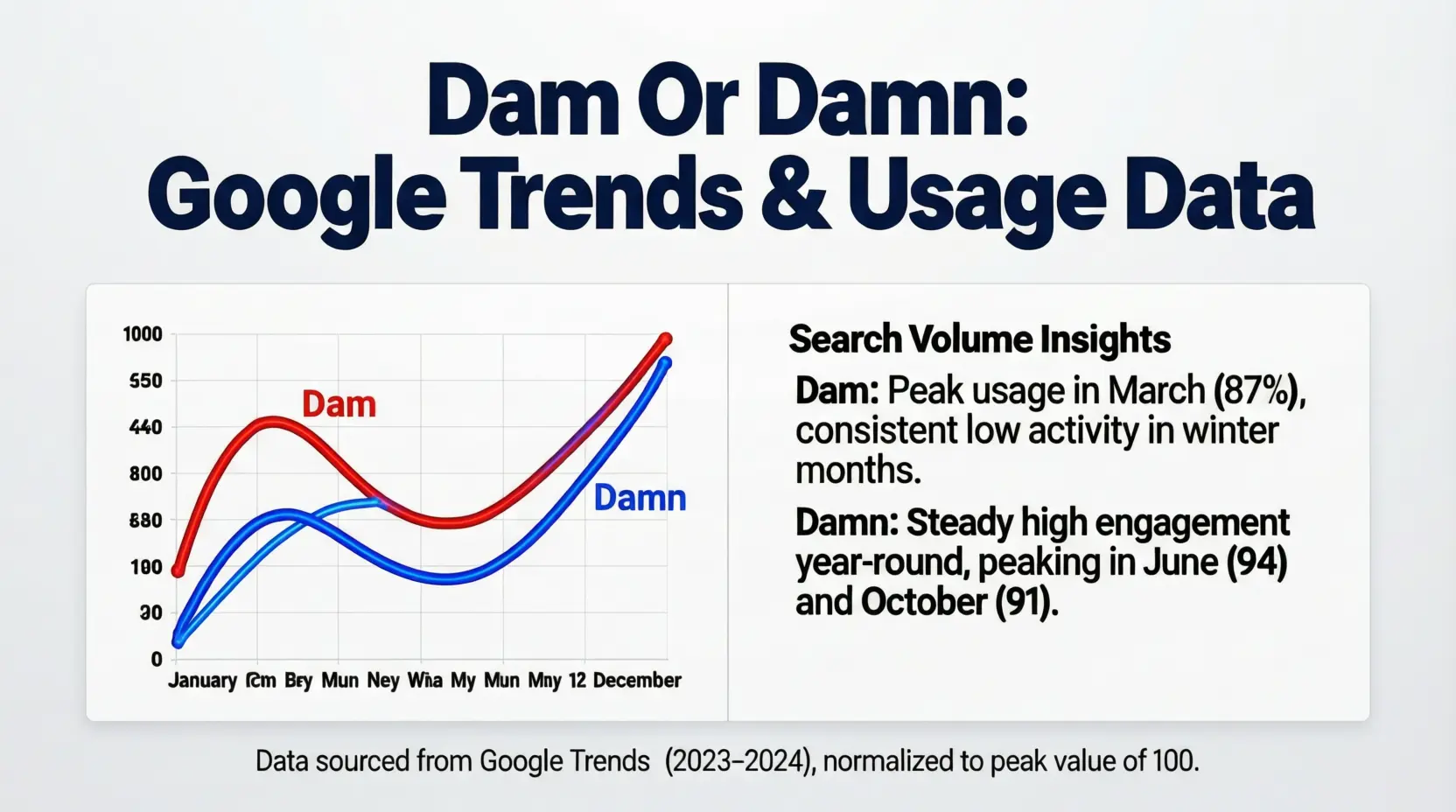
- Dam is searched more in:
- Engineering
- Geography
- News articles
- Engineering
- Damn is searched more in:
- Casual speech
- Movies and quotes
- Social media
- Casual speech
Countries like the US, UK, Canada, and Australia show high searches for both—but in very different contexts.
Comparison Table: Dam vs Damn
| Feature | Dam | Damn |
| Part of Speech | Noun | Verb / Interjection |
| Formal Use | Yes | No (usually) |
| Meaning | Water barrier | Emotion or curse |
| Safe in Emails | Yes | No |
| Related to Engineering | Yes | No |
FAQs:
1. Is “damn” a bad word?
It can be. It’s mild but still informal.
2. Can I use “damn” in academic writing?
No. Avoid it.
3. Is “dam” ever offensive?
No. It’s a neutral word.
4. Do “dam” and “damn” sound the same?
Almost, but “damn” has a stronger tone.
5. Can autocorrect mix them up?
Yes, very often.
6. Is “damn” allowed on social media?
Yes, but know your audience.
7. Which one is safer overall?
Dam is always safe.
Conclusion
The difference between dam and damn is small in spelling but huge in meaning. Dam is a safe, technical word used for water control and construction. Damn is emotional and informal, often used to show anger, shock, or emphasis. Mixing them up can confuse readers or create awkward moments, especially in professional writing.
If you’re writing emails, articles, exams, or reports, stick with dam when talking about rivers or structures. Use damn only in casual speech, quotes, or creative writing and even then, be careful with your audience. A simple memory trick helps: water flows near a dam; feelings flow with damn.
Mastering small word differences like this makes your English clearer, sharper, and more professional.

I am a professional English language writer and editor with a strong focus on word comparisons, spelling differences, and usage clarity. I specialize in explaining confusing English words in a simple, reader-friendly way. With a background in linguistics and digital content writing, I help learners understand British vs American English, commonly confused terms, and everyday grammar mistakes.



Post Comment