Focused or Focussed – Which Spelling Is Correct? Simple Guide

Have you ever stopped while writing and wondered: Is it “focused” or “focussed”? You are not alone. This small spelling difference confuses students, writers, bloggers, and even professionals every day. Both words look right. Both sound the same. Yet people often worry about using the wrong one.
Most people search for focused or focussed because they want to write correctly for exams, blogs, emails, or work documents.
Some are writing for an international audience and don’t want to look unprofessional. Others see both spellings online and wonder which one Google prefers.
The good news is simple: both spellings are correct. The confusion comes from British English and American English rules. Once you understand this, the problem disappears.
In this guide, I’ll explain the difference in very easy English. You’ll see clear examples, common mistakes, and advice on which spelling to use for your audience.
By the end, you’ll feel confident every time you write this word.
Focused or Focussed – Quick Answer
Focused and focussed mean the same thing: giving full attention to something.
- Focused → American English (US)
- Focussed → British English (UK)
Examples:
- She is focused on her career. (American English)
- She is focussed on her career. (British English)
Both are correct. The choice depends on your audience.
The Origin of Focused or Focussed
The word focus comes from Latin focus, meaning “fire” or “center.”
In English, it became a verb meaning “to direct attention.”
The spelling difference happened because:
- British English often doubles the final consonant before adding -ed.
- American English usually does not double it.
That’s why British writers use focussed, while American writers prefer focused.
Why Do People Get Confused Between Focused and Focussed?
The confusion exists because English spelling rules are not always consistent. Some verbs double the final consonant when adding -ed or -ing, while others do not.
The verb focus sits right in the middle of this confusion:
- In some English styles, the final “s” is doubled
- In others, it is not doubled
This difference comes from regional spelling conventions, not grammar mistakes.
British English vs American English Spelling
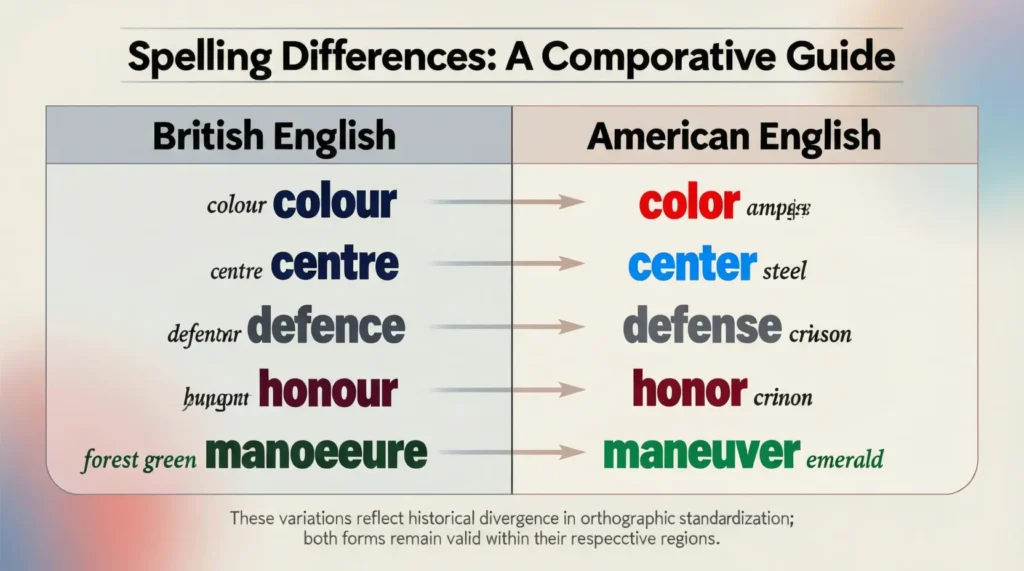
Here is how the spelling rules work:
| English Type | Preferred Spelling | Example Sentence |
| American English | focused | Stay focused on your goal. |
| British English | focussed | He remained focussed during training. |
Similar patterns:
- UK: travelled, focussed
- US: traveled, focused
Focused and Focussed in Different Contexts
1. In Professional Writing
- She is focused on improving productivity.
- The manager remained focussed on deadlines.
2. In Education
- Students should stay focused during exams.
- The teacher encouraged focussed learning.
3. In Business and Marketing
- A customer-focused strategy increases sales.
- The company adopted a focussed approach.
4. In Everyday Conversation
- I’m trying to stay focused today.
- He looks really focussed right now.
Which Spelling Should You Use?
Choose based on who will read your content.
- US audience / SEO blogs / global tech sites → Use focused
- UK audience / British schools / UK media → Use focussed
- International audience → Focused is safer and more common online
👉 Pro tip: Google prefers focused because American English dominates search results.
Common Mistakes with Focused or Focussed
Here are mistakes people often make:
❌ Mixing both spellings in one article
✔️ Pick one spelling and stay consistent
❌ Thinking one spelling is wrong
✔️ Both are correct in different English styles
❌ Using British spelling for US clients
✔️ Match the spelling to your audience
Focused or Focussed in Everyday Examples
Emails
- “Please stay focused on the deadline.” (US)
- “Let’s remain focussed on the task.” (UK)
News
- The team is focused on growth.
- The government is focussed on reform.
Social Media
- Stay focused. Big goals take time.
- Fully focussed and ready to win.
Formal Writing
- The study is focused on results.
- The report is focussed on outcomes.
Focused or Focussed / Google Trends & Usage Data
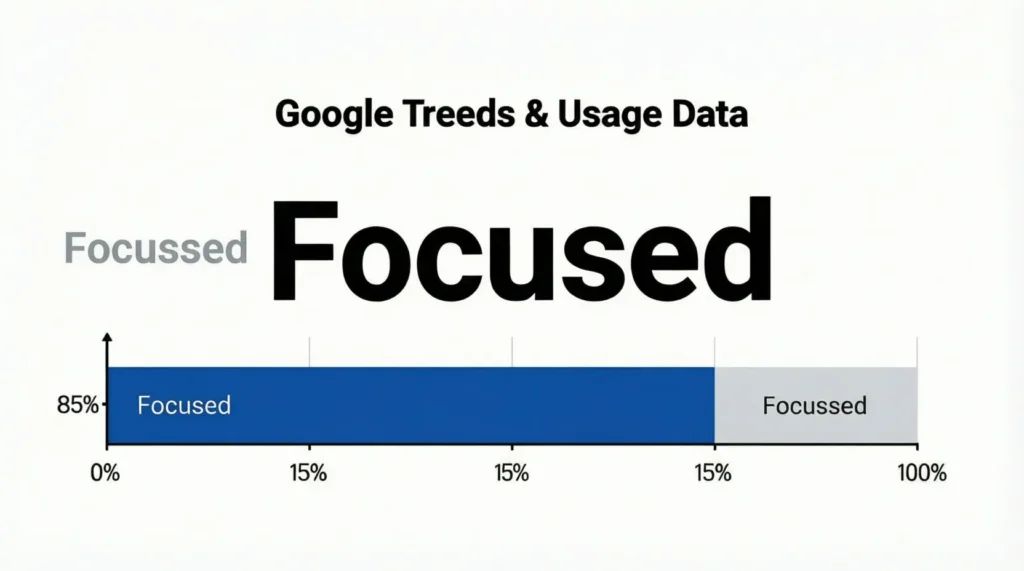
Search data shows:
- Focused is far more popular worldwide.
- Focussed is mainly searched in the UK, Australia, and New Zealand.
For blogs, SEO, and online content, focused brings more traffic and wider reach.
Focused vs Focussed – Comparison Table
| Feature | Focused | Focussed |
| Meaning | Same | Same |
| English Type | American | British |
| SEO Friendly | Yes | Less |
| Global Use | Very High | Limited |
| Correct | ✅ | ✅ |
FAQs:
1. Is “focussed” incorrect?
No. It is correct in British English.
2. Which spelling should I use for SEO?
Use focused for better global reach.
3. Can I use both in one article?
No. Always stay consistent.
4. Is “focused” accepted in UK English?
Yes, but focussed is more traditional.
5. Which spelling do exams prefer?
Follow the English style taught in your country.
6. Are the meanings different?
No. The meaning is exactly the same.
7. Which spelling is more modern?
Focused is more modern and widely used online.
Conclusion:
The confusion between focused or focussed is common, but the rule is simple. Both spellings are correct. The difference comes from American and British English styles, not from meaning or grammar.
If you write for a US or global audience, focused is the best choice. It is more common, more friendly, and widely accepted. If you write for the UK or follow British English rules, focussed is perfectly fine.
The most important thing is consistency. Pick one spelling and use it throughout your content. Once you match your spelling to your audience, you’ll sound clear, confident, and professional every time.

I am an English language specialist and educational writer focused on grammar rules, word differences, and clear communication. I have years of experience creating easy-to-understand guides that simplify complex English topics. Mine content is trusted by learners looking for accurate and well-structured language explanations.


Post Comment