Fuelled Or Fueled: Which Spelling Is Correct? A Complete Guide
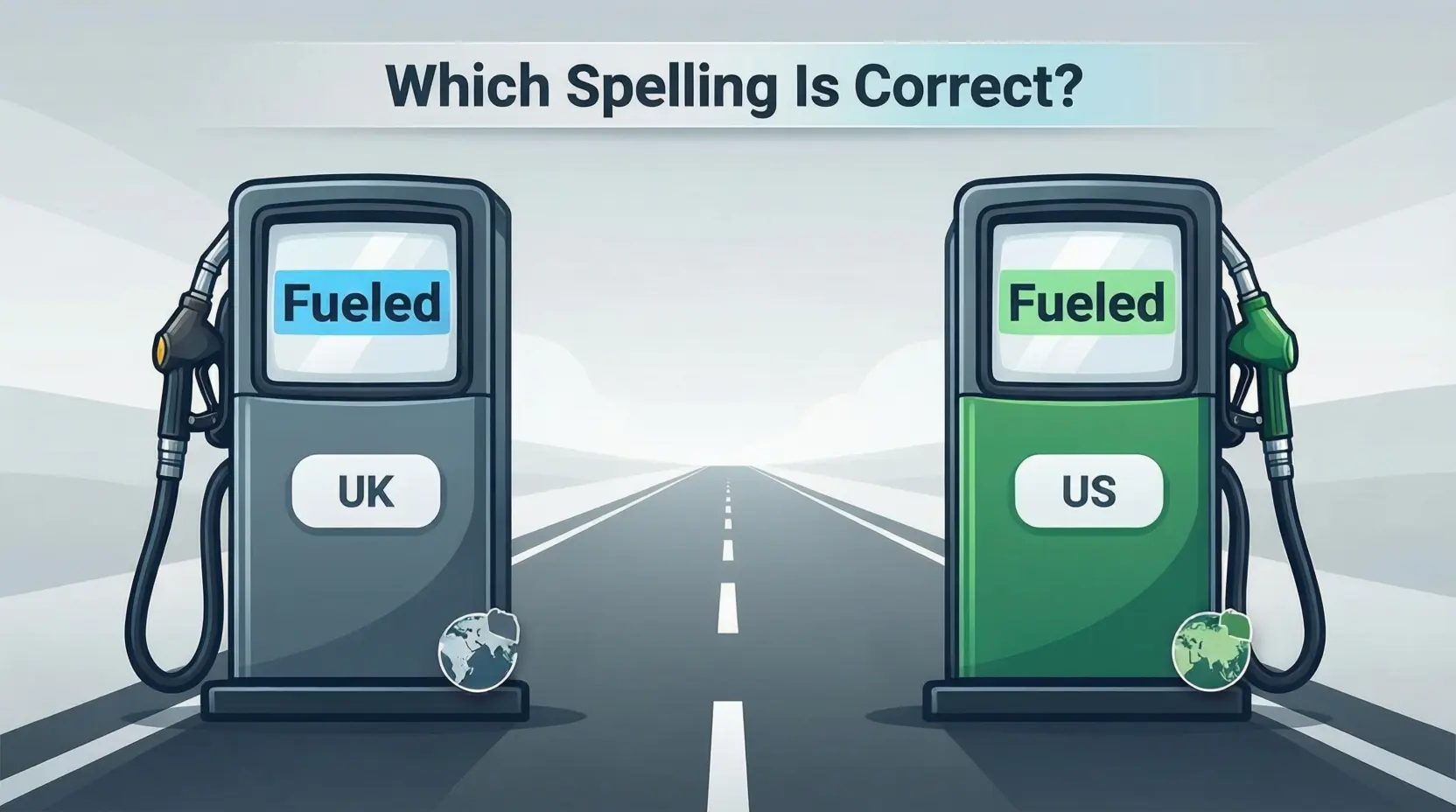
Have you ever paused while writing and wondered: should it be fuelled or fueled? You’re not alone. This small spelling difference confuses writers, students, bloggers, and even professionals every day. Both spellings look correct, both appear in trusted sources, and both are widely used. So why does this confusion exist?
People usually search for fuelled or fueled because they want to write correctly for exams, blogs, emails, news articles, or international audiences. The problem is not meaning the meaning is always the same but spelling rules that change based on region. British English and American English follow different spelling patterns, especially with verbs that end in -el, and fuel is a perfect example.
This article clears that confusion once and for all. You’ll get a quick answer, learn the history of the word, understand British vs American spelling rules, and see real-life examples. We’ll also cover common mistakes, usage trends, practice exercises, and FAQs everything you need in one place.
By the end, you’ll know exactly when to use fuelled and when to use fueled, with confidence and clarity.
Fuelled or Fueled – Quick Answer
Both fuelled and fueled are correct spellings.
The difference depends on British English vs American English.
- Fuelled → British English
Example: The fire was fuelled by dry wood. - Fueled → American English
Example: The debate was fueled by rumors.
Meaning is the same in both cases: to supply energy, power, or motivation.
The Origin of Fuelled or Fueled
The word fuel comes from the Old French word fouaille, meaning firewood. It entered English in the Middle Ages and later became a verb meaning “to supply energy” or “to increase intensity.”
The spelling difference exists because:
- British English often keeps the double “l” when adding endings like -ed or -ing.
- American English often drops one “l” to simplify spelling.
This pattern explains why British English prefers fuelled, while American English prefers fueled.
British English vs American English Spelling
British and American English follow different spelling rules for verbs ending in -el.
Key Rule
- British English → double the l
- American English → keep one l
Comparison Table
| Aspect | British English | American English |
| Past tense | fuelled | fueled |
| Present participle | fuelling | fueling |
| Used in | UK, Australia, India | USA, Canada |
| Style guides | Oxford, Cambridge | Merriam-Webster |
Which Spelling Should You Use?
Your audience decides the correct spelling.
- For US audiences → use fueled
- For UK & Commonwealth audiences → use fuelled
- For global or mixed audiences → pick one style and stay consistent
Professional Tip
If you are writing for:
- Blogs or SEO → follow your target country
- Academic work → follow the required style guide
- Business emails → match the reader’s region
Consistency matters more than the spelling itself.
Common Mistakes with Fuelled or Fueled
Many writers make avoidable errors with this keyword.
Mistake 1: Mixing spellings
❌ The engine was fuelled and later fueled again.
✅ Choose one spelling style.
Mistake 2: Thinking one is wrong
❌ “Fuelled is incorrect.”
✅ Both are correct; region matters.
Mistake 3: Wrong tense usage
❌ The fire is fueled yesterday.
✅ The fire was fueled yesterday.
Fuelled or Fueled in Everyday Examples
Emails
- The meeting was fueled by new data. (US)
- The discussion was fuelled by concerns. (UK)
News
- Rising prices fueled inflation fears.
- Social media fuelled public anger.
Social Media
- Drama is fuelled by rumors.
- Motivation is fueled by success.
Formal Writing
- Economic growth was fuelled by exports.
- Innovation is fueled by research.
Fuelled or Fueled / Google Trends & Usage Data
Search data shows clear regional patterns:
- Fueled is more common in the United States
- Fuelled dominates in the UK, Australia, and South Asia
- Both spellings are searched globally
In SEO and content writing, matching the user’s location improves trust and clarity.
Keyword Comparison Table
| Form | British English | American English |
| fuel | fuel | fuel |
| fuelled / fueled | fuelled | fueled |
| fuelling / fueling | fuelling | fueling |
Practice Exercises
Exercise 1: Choose the correct spelling
- The fire was ______ by dry leaves. (UK)
- The scandal was ______ by media. (US)
Exercise 2: Correct the sentence
❌ His anger was fuelled by lies in an American article.
✅ His anger was fueled by lies.
Exercise 3: Fill in the blank
- Her ambition was ______ by success.
(Answer depends on region)
FAQs:
1. Is fuelled British English?
Yes, fuelled is the British spelling.
2. Is fueled American English?
Yes, fueled is the American spelling.
3. Do they mean the same thing?
Yes, the meaning is exactly the same.
4. Can I use fuelled in the US?
Yes, but fueled is preferred.
5. Which spelling is better for SEO?
Use the version your target audience searches for.
6. Is fuelling also different?
Yes. British: fuelling, American: fueling.
7. Is one more correct than the other?
No. Both are grammatically correct.
Conclusion:
The confusion between fuelled or fueled comes from regional spelling rules, not from meaning or grammar. Both words are correct, both are widely used, and both communicate the same idea: supplying energy, power, or motivation. The key difference lies in British vs American English preferences.
If you write for a US audience, choose fueled. If your readers are in the UK or Commonwealth countries, fuelled is the better choice. For global content, consistency is your best friend—pick one style and stick with it throughout your writing.
Understanding this difference helps you write more confidently, sound more professional, and avoid unnecessary corrections. Once you know the rule, the choice becomes easy.
Now, the next time you type fuelled or fueled, you won’t hesitate—you’ll know exactly which one to use.

I am an English language specialist and educational writer focused on grammar rules, word differences, and clear communication. I have years of experience creating easy-to-understand guides that simplify complex English topics. Mine content is trusted by learners looking for accurate and well-structured language explanations.


Post Comment