Gardner Or Gardener – Which Spelling Is Correct?
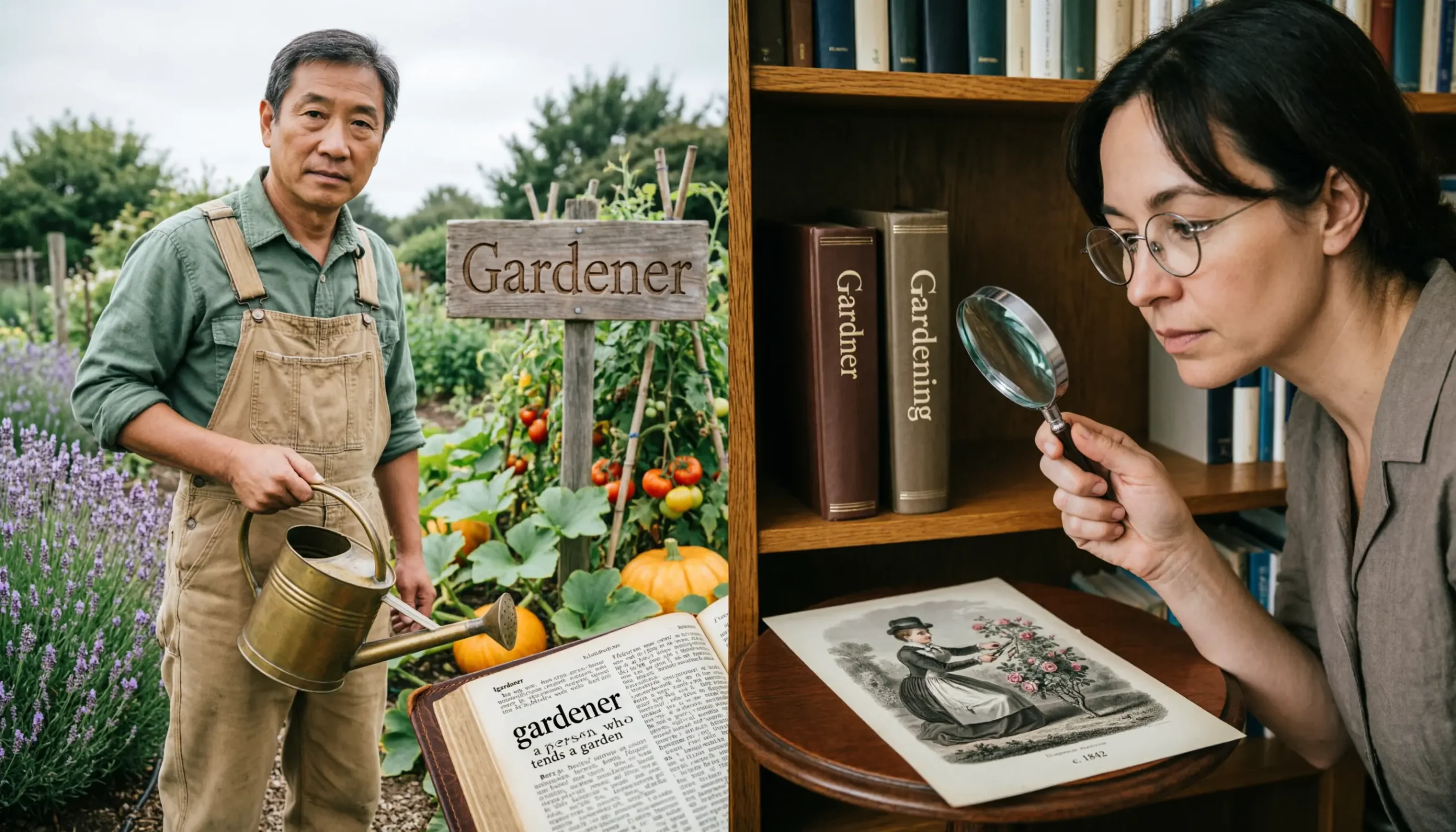
Many English learners, writers, bloggers, and even native speakers often get confused between gardner or gardener. At first glance, both spellings look correct, and you may even see both used online. This confusion leads people to search this keyword because they want a clear, fast, and trustworthy answer.
The problem happens because “Gardner” is a real word, but it does not mean the same thing as “gardener.” One spelling refers to a profession, while the other is usually a surname or proper noun. Search engines, resumes, emails, and academic writing all require accuracy, so choosing the wrong spelling can hurt credibility.
This article solves that confusion once and for all. You will learn the correct spelling, where each word comes from, how British and American English treat it, and which version you should use based on your audience. You’ll also see real-life examples, common mistakes, exercises, FAQs, and usage advice backed by trends and context.
If you want a quick answer, a deep explanation, and professional guidance, you’re in the right place.
Gardner or Gardener – Quick Answer
Gardener is the correct spelling when you mean a person who works with plants, gardens, or landscaping.
Gardner is usually a surname or proper noun, not a job.
Examples:
- ✅ She is a gardener at the public park.
- ❌ She is a gardner at the public park.
- ✅ Martin Gardner was a famous writer.
Rule to remember:
If you mean someone who gardens, always use gardener.
The Origin of Gardner or Gardener
The word gardener comes from Old French gardin, meaning garden. Over time, English added -er to show a person who does an activity. So, garden + -er = gardener.
The spelling gardner appeared mainly as a family name. Many English surnames were shortened or altered centuries ago, and Gardner became common as a last name.
That is why both spellings exist:
- Gardener → a profession
- Gardner → a name
The spelling difference is historical, not grammatical.
British English vs American English Spelling
Both British English and American English use the same spelling for the profession.
There is no spelling difference between UK and US English here.
Comparison Table
| Feature | British English | American English |
| Correct job spelling | Gardener | Gardener |
| Alternative form | ❌ Gardner | ❌ Gardner |
| Use of “Gardner” | Surname only | Surname only |
Key point:
Unlike colour/colors, this word does not change between regions.
Which Spelling Should You Use?
Your choice depends on meaning, not location.
Use Gardener if:
- You are writing about a job or skill
- You are describing someone who works with plants
- You are writing blogs, emails, CVs, or articles
Use Gardner if:
- You are writing someone’s name
- You are referring to a brand, company, or place with that name
Audience-Based Advice
| Audience | Best Choice |
| USA | Gardener |
| UK | Gardener |
| Australia | Gardener |
| Global / SEO | Gardener |
Common Mistakes with Gardner or Gardener
Many writers make simple but serious errors.
Mistake 1: Using gardner as a job
- ❌ He works as a gardner
- ✅ He works as a gardener
Mistake 2: Assuming both are correct
- ❌ Gardner and gardener mean the same
- ✅ They have different meanings.
Tip: Always ask: Is this a person’s job or their name?
Gardner or Gardener in Everyday Examples
Emails
- ✅ “We are hiring an experienced gardener.”
- ❌ “We are hiring an experienced gardner.”
News
- ✅ “The city gardener redesigned the park.”
- ✅ “Mr. Gardner spoke at the event.”
Social Media
- ✅ “My uncle is a professional gardener 🌱”
- ❌ “My uncle is a professional gardner”
Formal Writing
- ✅ “The gardener maintains botanical diversity.”
- ❌ “The gardner maintains botanical diversity.”
Gardner or Gardener / Google Trends & Usage Data
Search trends show that “gardener” is searched far more than “gardner”.
Usage by Context
- Gardener → jobs, DIY, landscaping, careers
- Gardner → people, authors, family names
Usage by Country
- USA: Gardener dominates
- UK: Gardener dominates
- Global English: Gardener dominates
People searching “gardner or gardener” usually want spelling confirmation, not name meanings.
Keyword Comparison Table
| Word | Meaning | Correct for Job? | Common Use |
| Gardener | Person who gardens | ✅ Yes | Work, skills |
| Gardner | Surname | ❌ No | Names only |
Practice Exercises
Exercise 1: Choose the correct word
- She is a skilled _______.
- Mr. _______ wrote a famous book.
Answers:
- Gardener
- Gardner
Exercise 2: Correct the sentence
- “He applied for a job as a gardner.”
Corrected:
- “He applied for a job as a gardener.”
FAQs:
1. Is “gardner” ever correct?
Yes, but only as a name, not a profession.
2. Is gardener British or American?
Both. The spelling is the same in UK and US English.
3. Why do people confuse gardener and gardner?
Because both spellings exist and sound identical.
4. Can I use gardner in SEO articles?
No, unless you are writing about a person named Gardner.
5. Which spelling should I use on my CV?
Always use gardener.
6. Is gardner a misspelling?
Not always. It is correct as a surname.
7. What does Google prefer?
Google favors gardener for job-related content.
Conclusion:
The confusion between gardner or gardener is common, but the rule is simple once you understand it. Gardener is the correct spelling when you are talking about someone who works with gardens, plants, or landscaping. This spelling is standard in British English, American English, and global English.
On the other hand, Gardner is mainly a surname or proper noun. It should not be used to describe a profession. Many mistakes happen because spell check tools do not catch this error, so writers must rely on understanding, not software.
If your goal is clear communication, professional writing, always choose gardener when referring to the job. Remember: meaning matters more than sound.
By following the guidance, examples, and exercises in this article, you can confidently use the correct spelling every time and avoid common errors that confuse readers and search engines alike.

I am an English language specialist and educational writer focused on grammar rules, word differences, and clear communication. I have years of experience creating easy-to-understand guides that simplify complex English topics. Mine content is trusted by learners looking for accurate and well-structured language explanations.


Post Comment