Inputted or Input: Which One Is Correct?
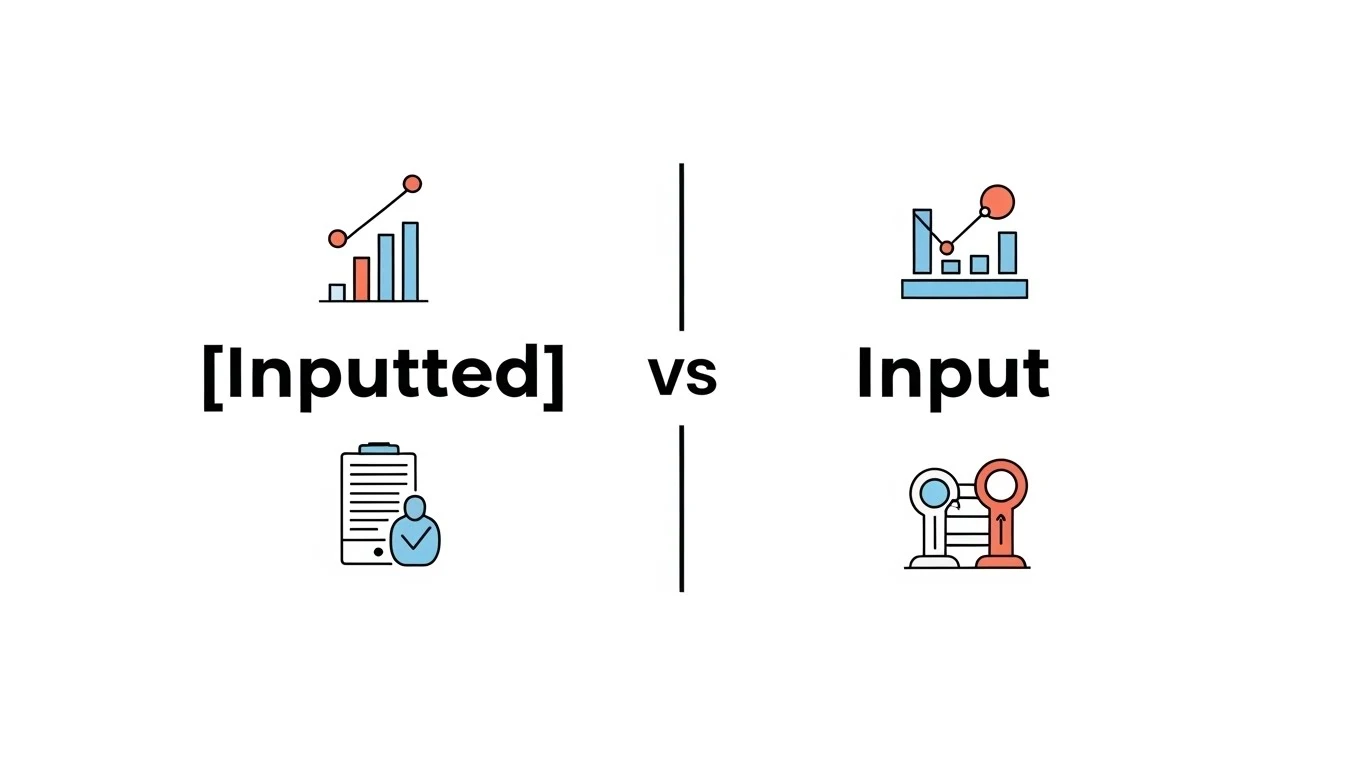
I remember the first time this issue stopped me mid-sentence. I was writing an email late at night, moving fast, confident in my English, when suddenly I paused and thought, “Wait… should I write input or inputted?”
It felt like a small thing, but the more I thought about it, the more confusing it became. I had seen input used as both a noun and a verb, butis inputted a word sounded correct too yet something about it didn’t feel right.
So I did what most of us do. I stopped writing and checked. That’s when I realized this isn’t just my problem; it’s something many writers struggle with, especially when English isn’t their first language.
Many people pause when writing a sentence like “I inputted the data” or “I input the data.” Spellcheck may not flag either option, yet something still feels uncertain. That is exactly why so many users search for “inputted or input.”
The confusion comes from how English handles verb tenses, especially with technical or business words that began as nouns.
The word input is everywhere today—used in emails, software, reports, education, and social media. But its past tense is debated. Some teachers say “input” is correct. Others accept “inputted.” Both forms appear online, which adds to the doubt.
This article solves that confusion clearly and simply. You will get a quick answer, learn where both forms came from, see how British and American English treat them, and understand which spelling to use based on your audience.
We will also cover common mistakes, real-life examples, usage trends, and FAQs so you can write with confidence in any situation.
Inputted or Input – Quick Answer

Both “input” and “inputted” are correct past tense forms, but “input” is more widely accepted and preferred.
Examples
- ✅ I input the data yesterday. (preferred)
- ⚠️ I inputted the data yesterday. (acceptable but less common)
In professional, academic, and global writing, “input” is the safer choice.
The Origin of Inputted or Input

The word input started as a noun in the 18th century, meaning “what is put in.” Later, it became a verb, especially in technical and computing contexts.
When verbs come from nouns, English sometimes creates regular past tenses (like emailed or texted). That is how “inputted” appeared.
However, English also keeps some verbs unchanged in past tense (like cut, hit, put). Over time, “input” followed this pattern for many speakers.
This split history is why both forms exist today, but usage has shifted toward the simpler form.
British English vs American English Spelling
There is no spelling difference, but there is a usage preference.
| English Variety | Preferred Past Tense | Example |
| American English | input | I input the figures. |
| British English | input | She input the results. |
| Commonwealth English | input | They input the data. |
| Informal speech | inputted | He inputted the code. |
Key Point
Both UK and US style guides favor “input” over “inputted.”
Which Spelling Should You Use?
Choose based on your audience and context:
- US audience: Use input
- UK or Commonwealth audience: Use input
- Global or professional writing: Use input
- Casual conversation: Either is fine
👉 Best overall choice: input
Common Mistakes with Inputted or Input
Here are frequent errors and how to fix them:
- ❌ I have inputted the file yesterday.
✅ I input the file yesterday. - ❌ She inputted the data already.
✅ She has input the data already. - ❌ Mixing forms in one document
✅ Stay consistent and use input throughout
Inputted or Input in Everyday Examples
Emails
- I input the final numbers this morning.
News
- The analyst input the data before publishing the report.
Social Media
- Just input my details and signed up!
Formal Writing
- All values were input into the system accurately.
Inputted or Input – Google Trends & Usage Data
Search data and language analysis show that “input” is far more popular worldwide.
- Input dominates in business, tech, education, and journalism
- Inputted appears more in informal speech and casual writing
- Non-native speakers prefer input because it is simpler
Overall, usage trends strongly favor input as the standard form.
Comparison Table: Inputted vs Input
| Form | Type | Usage Level | Recommended |
| input | Past tense | Very common | ✅ Yes |
| inputted | Past tense | Less common | ⚠️ Optional |
FAQs: Inputted or Input
1. Is “inputted” grammatically correct?
Yes, but it is less preferred.
2. Is “input” past or present tense?
It can be both, depending on context.
3. Do dictionaries accept “inputted”?
Yes, but many mark it as less common.
4. Which form do style guides recommend?
Most recommend input.
5. Is “inputted” informal?
It is more common in casual speech.
6. Should students use “input” or “inputted”?
Students should use input in academic work.
7. Is “input” an irregular verb?
Yes, it behaves like put and cut.
Conclusion
The confusion around inputted or input comes from English itself. Both forms exist, both are understood, and both appear in dictionaries. However, modern usage has made one option clearly stronger. “Input” is shorter, cleaner, and far more common across American, British, and global English. It fits professional writing, academic work, journalism, and everyday communication without sounding awkward or outdated.
While “inputted” is not wrong, it often feels unnecessary and informal. That is why editors, teachers, and style guides usually recommend avoiding it. If your goal is clarity, correctness, and confidence especially when writing for a wide audience input is the safest choice every time.
In short: when in doubt, keep it simple. Use “input.”

I am a professional English language writer and editor with a strong focus on word comparisons, spelling differences, and usage clarity. I specialize in explaining confusing English words in a simple, reader-friendly way. With a background in linguistics and digital content writing, I help learners understand British vs American English, commonly confused terms, and everyday grammar mistakes.




Post Comment