Jinks Or Jinx – Which Word Is Correct for 2026?
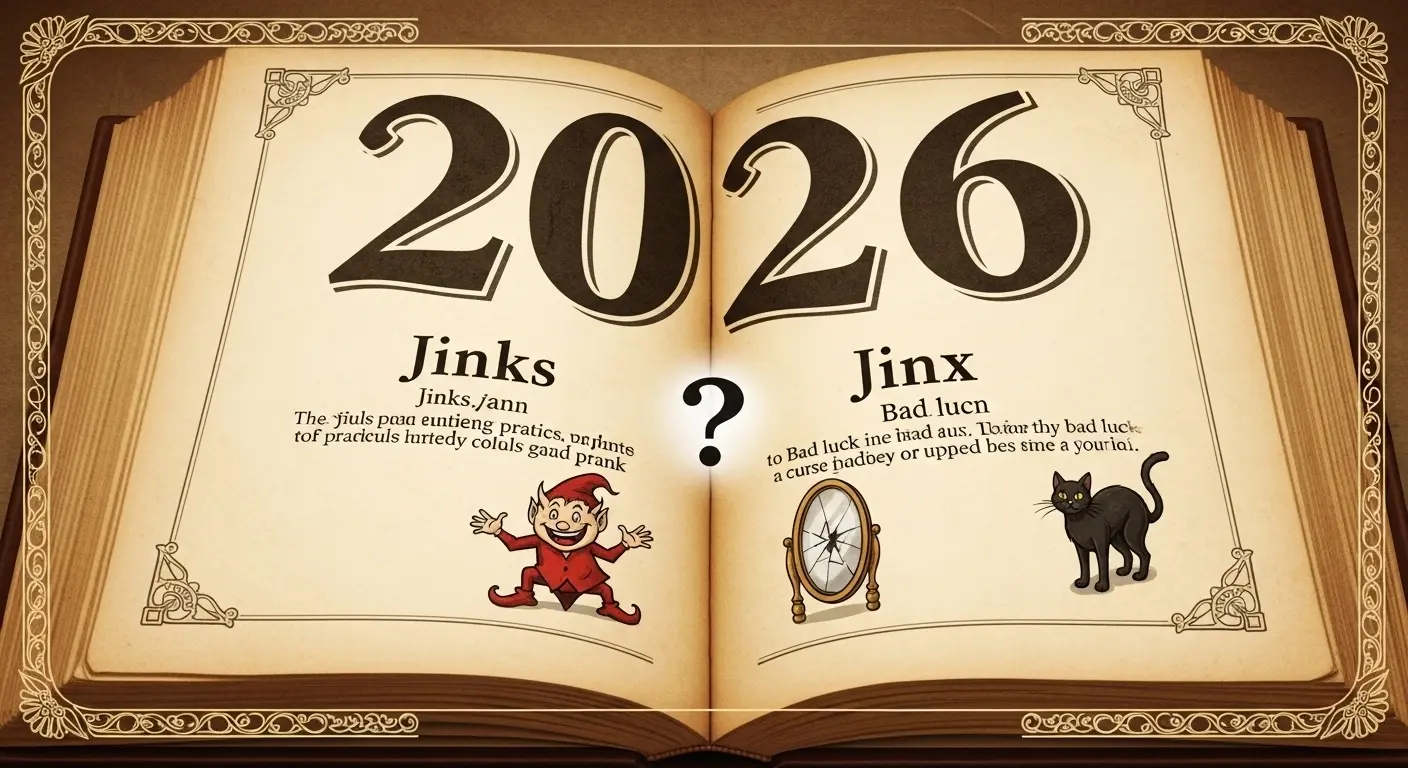
Many English learners and writers often wonder whether the correct word is “jinks” or “jinx.” Both words appear online, in conversations, and even in pop culture. Because they sound similar, people sometimes use them interchangeably. However, their meanings and uses are not exactly the same.
The confusion usually happens in everyday situations. For example, two friends might say the same thing at the same time and shout “jinx!” But sometimes people also hear the phrase “high jinks.” This makes many readers question which spelling is correct and when to use each word.
People search for “jinks or jinx” because they want a quick answer. Writers, students, bloggers, and social media users want to avoid mistakes in spelling and meaning. Understanding the difference helps improve writing clarity and communication.
This article explains the correct usage, the history of the words, spelling patterns in British and American English, common mistakes, and real-life examples. By the end, you will clearly understand when to use jinks and when to use jinx.
Jinks or Jinx – Quick Answer
Both jinks and jinx are real words, but they have different meanings.
Jinx
A jinx is a person or thing believed to bring bad luck.
Example:
- I think this team is jinxed. They always lose the final match.
- Don’t say that! You might jinx it.
Jinks
Jinks usually appears in the phrase “high jinks.” It means playful or mischievous fun.
Example:
- The children were up to high jinks during the party.
Quick Summary
| Word | Meaning | Example |
| Jinx | Bad luck or curse | You might jinx the game |
| Jinks | Playful mischief | The kids enjoyed high jinks |
The Origin of Jinks or Jinx
Origin of “Jinx”
The word jinx became popular in the early 1900s. It refers to bad luck or a curse. Some experts believe it came from a mythical bird called the “wryneck,” which people once linked with magical spells and bad luck.
Later, the word appeared in American sports slang. Players believed that talking about victory too early could jinx the result.
Example:
- Don’t say we will win. You will jinx it.
Origin of “Jinks”
The word jinks is older. It comes from the Scottish word “high jinks.” This phrase described wild games, jokes, and playful behavior at parties.
Over time, high jinks became a common English phrase meaning fun mischief or playful trouble.
Example:
- Their weekend trip was full of high jinks.
British English vs American English Spelling
Unlike many English words, jinx and jinks are not spelling variations of the same word. Instead, they are two separate words with different meanings.
Both British English and American English use the same spelling for each word.
Comparison Table
| Feature | Jinx | Jinks |
| Meaning | Bad luck | Mischievous fun |
| Common phrase | Jinx it | High jinks |
| Used in US | Yes | Yes |
| Used in UK | Yes | Yes |
| Interchangeable | No | No |
Because of this difference, writers must choose the correct word based on context and meaning.
Which Spelling Should You Use?
Choosing between jinx and jinks depends on what you want to say.
Use “Jinx” When Talking About Bad Luck
Examples:
- I hope I didn’t jinx the match.
- That old car seems jinxed.
Use “Jinks” in the Phrase “High Jinks”
Examples:
- The students enjoyed some high jinks after exams.
- The comedy show was full of high jinks.
Simple Rule
If you mean bad luck → use JINX
If you mean playful trouble → use HIGH JINKS
Common Mistakes with Jinks or Jinx
1. Using Jinks Instead of Jinx
Incorrect:
- Don’t jinks the game.
Correct:
- Don’t jinx the game.
2. Using Jinx Instead of High Jinks
Incorrect:
- The party was full of jinx.
Correct:
- The party was full of high jinks.
3. Thinking They Are Spelling Variations
Some people believe jinks is just another spelling of jinx. This is incorrect because their meanings are different.
Jinks or Jinx in Everyday Examples
Email Example
Correct:
I hope I didn’t jinx our project by talking about success too early.
News Example
Fans worry that celebrating too early might jinx the team’s chances.
Social Media Example
Summer vacation with friends means lots of high jinks and laughter!
Formal Writing Example
The novel describes a group of students enjoying harmless high jinks during their college years.
Jinks or Jinx – Google Trends & Usage Data
Search trends show that jinx is much more popular than jinks.
Jinx
Popular in:
- sports discussions
- movies and TV shows
- everyday conversation
Jinks
Mostly used in:
- literature
- the phrase “high jinks”
- storytelling
Usage by Country
| Country | Common Search |
| United States | Jinx |
| United Kingdom | Jinx |
| Canada | Jinx |
| Australia | Jinx |
The phrase “high jinks” still appears in books and entertainment.
Comparison Table – Jinks vs Jinx
| Feature | Jinx | Jinks |
| Main meaning | Bad luck | Playful mischief |
| Common usage | Very common | Less common |
| Example phrase | Don’t jinx it | High jinks |
| Appears in sports talk | Yes | No |
| Appears in literature | Sometimes | Often |
FAQs:
1. Is jinks the same as jinx?
No. Jinx means bad luck, while jinks refers to playful mischief.
2. Why do people shout “jinx”?
People say “jinx” when two people say the same thing at the same time.
3. What does “high jinks” mean?
High jinks means funny, playful, or mischievous behavior, often during parties or celebrations.
4. Can jinx be used as a verb?
Yes.
Example:
- Don’t jinx the game.
5. Is “high jinks” formal or informal?
It is usually informal and used in storytelling or casual writing.
6. Do Americans use “high jinks”?
Yes, but it is less common than jinx.
7. Is jinx used in sports?
Yes. Athletes often believe talking about victory too early may jinx the result.
Conclusion:
The confusion between jinks and jinx comes mainly from their similar pronunciation. However, they are not spelling variations of the same word. Instead, they have completely different meanings and uses.
The word jinx refers to bad luck or a curse. It is widely used in sports, casual conversations, and everyday expressions. People often say things like “Don’t jinx it” when they worry that talking about success too early might bring bad luck.
On the other hand, jinks usually appears in the phrase “high jinks.” This phrase describes playful mischief, jokes, or fun trouble during social gatherings or celebrations. While the phrase still appears in literature and storytelling, it is less common in modern conversation. Both British and American English use the same spelling for these words, so the main difference comes from meaning rather than regional spelling rules.
To remember the difference easily, think of it this way: jinx relates to bad luck, while high jinks relate to fun and playful behavior. Using the correct word will make your writing clearer and more professional.

I am a professional English language writer and editor with a strong focus on word comparisons, spelling differences, and usage clarity. I specialize in explaining confusing English words in a simple, reader-friendly way. With a background in linguistics and digital content writing, I help learners understand British vs American English, commonly confused terms, and everyday grammar mistakes.


Post Comment