Sank Or Sunk- What’s the Difference for 2026?
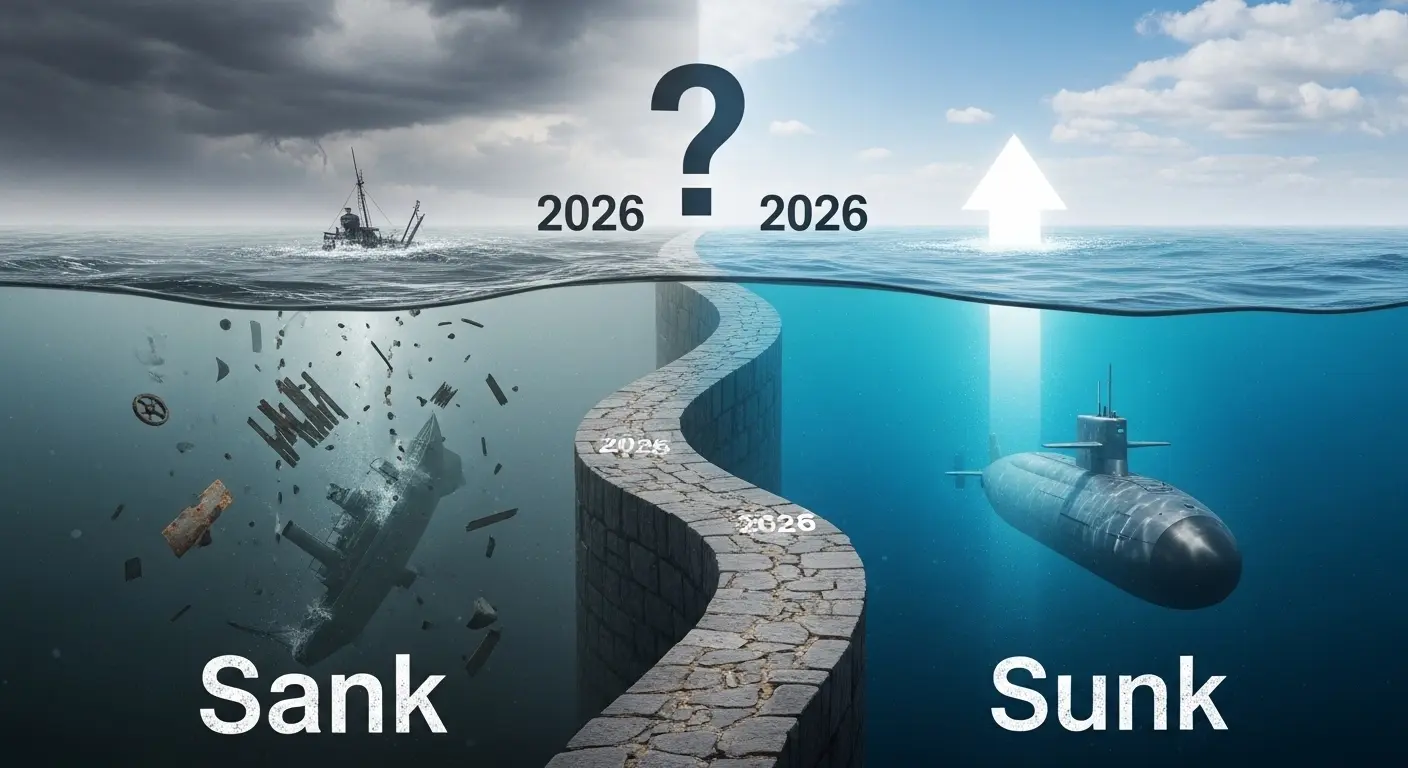
Imagine reading a news headline: “The boat sunk in the storm.”
Later, you see another article saying, “The boat sank near the harbor. “Both sentences talk about something going under water. But which one is correct sank or sunk?
This is a common question for English learners, writers, bloggers, and even native speakers. The confusion happens because both words come from the same verb: sink. They look very similar and are often used in the same context. Because of this, many people use them the wrong way in emails, articles, social media posts, and everyday conversation.
Search engines show thousands of searches every month for “sank or sunk.” People want a quick answer, but they also want to understand why the difference exists and how to use the words correctly.
In this guide, you will learn the simple rule behind sank vs sunk, where these words come from, common mistakes people make, and how to use them correctly in real-life writing.
By the end, you will never confuse sank and sunk again.
Sank or Sunk – Quick Answer
The difference between sank and sunk is simple:
- Sank = Past tense of sink
- Sunk = Past participle of sink (used with helping verbs like has, had, have)
Examples
✔ Correct:
- The ship sank during the storm.
- The stone sank to the bottom of the lake.
✔ Correct:
- The ship has sunk.
- The boat had sunk before help arrived.
❌ Incorrect:
- The ship sunk yesterday.
- The anchor sunk quickly.
Simple Rule
Use this structure:
| Verb Form | Example |
| Present | The ship sinks slowly. |
| Past | The ship sank yesterday. |
| Past Participle | The ship has sunk. |
So remember:
No helping verb → use sank
With helping verb → use sunk
The Origin of Sank or Sunk
The words sank and sunk come from the verb sink, which means to go down below the surface of water or another substance.
The verb sink comes from the Old English word “sincan.” This word meant to fall, settle, or descend. Over time, English developed different verb forms to show tense.
Early English created strong verb patterns. These verbs changed their vowels instead of adding -ed. Examples include:
- sing → sang → sung
- drink → drank → drunk
- sink → sank → sunk
This pattern is why the words sank and sunk both exist. They are simply different forms of the same verb.
Historically, people sometimes used sunk as a past tense in informal speech. But modern grammar rules make a clear distinction between the two forms.
Today, standard English grammar uses:
- sank for past tense
- sunk for past participle
Understanding this pattern helps you avoid confusion not only with sink, but also with similar verbs.
British English vs American English Spelling
Unlike many English words, sank and sunk do not change spelling between British and American English.
The grammar rule stays the same in both versions of English.
Both regions use:
- sank for past tense
- sunk for past participle
However, informal speech in some places especially in parts of the United States may use sunk incorrectly as a past tense. This appears in casual conversation but not in professional writing.
Comparison Table
| Context | British English | American English |
| Past tense | The ship sank last night | The ship sank last night |
| Past participle | The ship has sunk | The ship has sunk |
| Informal speech | Rarely uses “sunk” as past | Sometimes heard in casual speech |
In formal writing, news, academic work, and professional emails, both British and American English follow the same rule.
Which Spelling Should You Use?
Choosing between sank and sunk depends on sentence structure, not location.
If you are writing in the United States
Follow standard grammar:
- Past tense → sank
- Past participle → sunk
Example:
- The submarine sank during the mission.
- The submarine has sunk.
If you are writing in the UK or Commonwealth countries
The same rule applies.
Example:
- The ferry sank in rough seas.
- The ferry has sunk.
If your audience is global
Use standard grammar rules. This ensures clarity for readers everywhere.
Quick Tip
Look for helping verbs:
- has
- have
- had
- been
If one appears before the verb, use sunk.
Example:
- The ship has sunk.
If there is no helping verb, use sank.
Example:
- The ship sank quickly.
Common Mistakes with Sank or Sunk
Many people mix these words because they sound similar and appear in similar situations.
Here are the most common mistakes.
Mistake 1: Using “sunk” as past tense
❌ The boat sunk yesterday.
✔ The boat sank yesterday.
Mistake 2: Forgetting helping verbs
❌ The ship has sank.
✔ The ship has sunk.
Mistake 3: Confusing verb forms
❌ The stone had sank before we saw it.
✔ The stone had sunk before we saw it.
Mistake 4: Copying informal speech
Some dialects use sunk as past tense. This is not correct in formal English.
Always follow standard grammar when writing professionally.
Sank or Sunk in Everyday Examples
Understanding grammar is easier when you see real-life examples.
Emails
- The system sank after the server crashed.
- Our profits have sunk this quarter.
News Headlines
- Fishing Boat Sank Near the Coast.
- Historic Ship Has Sunk After Collision.
Social Media
- My phone sank in the pool 😭
- My mood has sunk after that exam.
Formal Writing
- The vessel sank within minutes of impact.
- The company’s stock value has sunk dramatically.
Using the correct form helps your writing sound professional and clear.
Sank or Sunk – Google Trends & Usage Data
Search data shows that many people are unsure about the difference between sank and sunk.
Users often search:
- sank vs sunk
- is sunk past tense of sink
- when to use sank or sunk
Popular Search Regions
These searches are common in:
- United States
- United Kingdom
- Canada
- India
- Australia
Students, writers, journalists, and English learners frequently search for this topic.
Usage Contexts
The words appear often in:
- news reports about ships
- historical writing
- financial news (stocks “sinking”)
- everyday storytelling
Keyword Comparison Table
| Keyword | Meaning | Example |
| Sink | Present tense | The ship sinks slowly |
| Sank | Past tense | The ship sank yesterday |
| Sunk | Past participle | The ship has sunk |
Search trends show that “sank vs sunk” spikes during school exams and grammar lessons.
FAQs:
1. Is “sunk” past tense of sink?
No. Sank is the past tense. Sunk is the past participle.
2. Can you say “the boat sunk”?
Only if a helping verb is present.
✔ The boat has sunk.
❌ The boat sunk yesterday.
3. Why do people confuse sank and sunk?
Both come from the same verb sink, and many strong verbs follow similar patterns like sing–sang–sung.
4. Is “sunk” ever correct by itself?
No. It normally needs a helping verb such as has, have, or had.
Example:
✔ The ship has sunk.
5. Do British and American English use different rules?
No. Both follow the same grammar rule.
6. Is it informal to say “sunk” as past tense?
Yes. Some dialects use it informally, but it is incorrect in standard writing.
7. What is an easy way to remember the rule?
Think of this pattern:
sink → sank → sunk
Just like
sing → sang → sung
8. Can “sunk” be used as an adjective?
Yes.
Example:
- A sunk ship lies on the ocean floor.
Conclusion:
The difference between sank and sunk may seem confusing at first, but the rule is actually very simple. Both words come from the verb sink, yet they serve different roles in English grammar.
The word sank is the past tense, which means it describes something that happened in the past without a helping verb. For example, you would say, “The ship sank during the storm.” This sentence stands alone and clearly describes a completed action.
On the other hand, sunk is the past participle. It usually appears with helping verbs such as has, have, or had. For example, “The ship has sunk,” or “The boat had sunk before rescuers arrived.”
Both British and American English follow the same rule, even though informal speech sometimes uses sunk incorrectly as a past tense. In professional writing, journalism, academic work, and formal communication, it is important to keep the difference clear.
Remember the simple pattern: sink → sank → sunk. Once you understand this structure, using the correct form becomes easy.
Mastering small grammar details like sank vs sunk can make your writing clearer, more professional, and easier for readers around the world to understand.

I am an English language specialist and educational writer focused on grammar rules, word differences, and clear communication. I have years of experience creating easy-to-understand guides that simplify complex English topics. Mine content is trusted by learners looking for accurate and well-structured language explanations.




Post Comment