Waisted Or Wasted – Which One Is Correct for 2026?
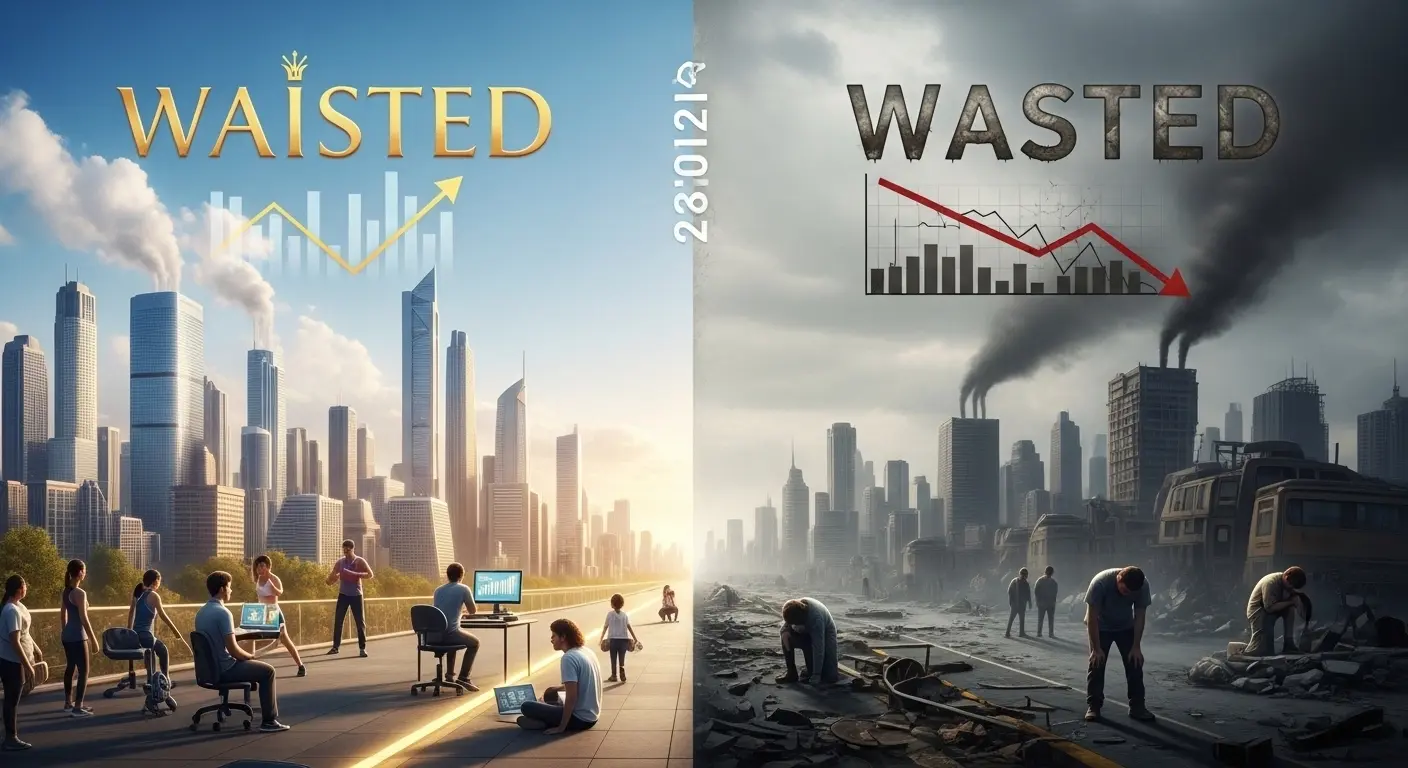
Have you ever typed “waisted” when you meant “wasted”? You’re not alone. Many people confuse waisted or wasted because they sound the same but have very different meanings. This mix-up often happens in emails, essays, and even social media posts. It can make your writing look unclear or unprofessional.
People search for “waisted or wasted” to understand which word is correct in different situations. The confusion comes from pronunciation. Both words sound identical, but their meanings are not related at all. One refers to the waist (body shape), while the other means something lost or used badly.
In this guide, you’ll learn the quick difference, where each word comes from, and how to use them correctly.
We’ll also cover common mistakes, real-life examples, and tips to help you remember the right spelling every time. By the end, you’ll never confuse these two words again.
Waisted or Wasted – Quick Answer
Wasted is the correct word in most cases. It means something was used badly, lost, or not needed.
Waisted is rare and refers to having a waist or a specific body shape.
Examples:
- ✅ I wasted my time watching that movie.
- ❌ I waisted my time watching that movie.
- ✅ She wore a high-waisted skirt.
- ❌ She wore a high-wasted skirt.
👉 Simple rule:
- Use wasted for time, money, effort, or energy.
- Use waisted only for clothing or body shape.
The Origin of Waisted or Wasted
Wasted
The word “wasted” comes from the Old French word gaster, meaning “to ruin” or “to destroy.” Over time, it entered English as “waste,” meaning to use something carelessly or lose it.
Waisted
“Waisted” comes from the word “waist,” which refers to the middle part of the body. It is mostly used in fashion terms like “high-waisted jeans.”
Why the Confusion Exists
Both words are homophones, meaning they sound the same. Because of this, people often pick the wrong spelling when writing quickly.
British English vs American English Spelling
Good news: there is no spelling difference between British and American English for “waisted or wasted.” The confusion is not about region it’s about meaning.
Comparison Table
| Word | Meaning | British English | American English |
| Waisted | Related to waist/body shape | Same | Same |
| Wasted | Lost, used badly, destroyed | Same | Same |
Examples:
- UK & US: He wasted his chances.
- UK & US: She wore high-waisted trousers.
👉 The spelling stays the same worldwide.
Which Spelling Should You Use?
Use “Wasted” When:
- Talking about time: I wasted two hours.
- Talking about money: He wasted his savings.
- Talking about effort: That work was wasted.
Use “Waisted” When:
- Describing clothing: high-waisted jeans
- Talking about body shape: a slim-waisted figure
Audience Advice:
- US readers: Use “wasted” in most cases.
- UK/Commonwealth readers: Same rule applies.
- Global writing: Stick with “wasted” unless discussing fashion or body shape.
👉 Tip: If you are unsure, you probably mean wasted.
Common Mistakes with Waisted or Wasted
Here are the most common errors people make:
1. Using “waisted” instead of “wasted”
❌ I waisted my weekend.
✅ I wasted my weekend.
2. Confusing clothing terms
❌ She bought high-wasted pants.
✅ She bought high-waisted pants.
3. Spell-check errors
Sometimes spell-check does not catch the mistake because both words are correct.
4. Writing fast
Typing quickly often leads to choosing the wrong word.
Quick Fix Tip:
👉 Ask yourself: “Am I talking about loss?”
- Yes → wasted
- No → maybe waisted
Waisted or Wasted in Everyday Examples
Emails
- I wasted too much time on this task.
- The budget was wasted on poor planning.
News
- Millions of dollars were wasted on failed projects.
Social Media
- That was a wasted opportunity 😢
- Loving these high-waisted jeans! 👖
Formal Writing
- The resources were wasted due to poor management.
- The dress features a fitted, waisted design.
Waisted or Wasted – Google Trends & Usage Data
Search data shows that “wasted” is far more popular than “waisted.” This is because people use it daily when talking about time, money, and effort.
Key Insights:
- “Wasted” is searched worldwide, especially in the US, UK, and India.
- “Waisted” is rarely searched and mostly appears in fashion contexts.
- Many searches for “waisted” are actually spelling mistakes.
👉 Conclusion:
“Wasted” dominates everyday language, while “waisted” is niche and specific.
Comparison Table: Waisted vs Wasted
| Feature | Waisted | Wasted |
| Meaning | Related to waist/body | Lost, used badly |
| Usage | Fashion, body description | Time, money, effort |
| Frequency | Rare | Very common |
| Example | High-waisted jeans | Wasted time |
| Common Error | Used instead of “wasted” | Rarely confused |
FAQs:
1. Is “waisted” a real word?
Yes, but it is rarely used. It refers to the waist or body shape.
2. Which is correct: wasted time or waisted time?
Wasted time is correct.
3. Why do people confuse waisted and wasted?
They sound the same, which causes spelling mistakes.
4. Can I use “waisted” in everyday writing?
Only when talking about clothing or body shape.
5. Is there a spelling difference in the UK and US?
No, both countries use the same spelling.
6. What does “high-waisted” mean?
It describes clothing that sits above the waist.
7. How can I remember the difference?
Think:
- Waste = loss → wasted
- Waist = body → waisted
8. Is “wasted” always negative?
Mostly yes. It means something was not used well.
Conclusion:
Understanding the difference between waisted or wasted is simple once you know their meanings. The word “wasted” is the one you will use most often. It describes something lost, misused, or not valued. Whether you are talking about time, money, or effort, “wasted” is the correct choice in everyday writing.
On the other hand, “waisted” is much less common. It belongs mainly to fashion and body-related descriptions. You will see it in phrases like “high-waisted jeans” or “slim-waisted design.” Outside of these uses, it rarely appears.
The main reason people confuse these words is their identical pronunciation. This makes it easy to pick the wrong spelling, especially when typing fast. A quick mental check can help: if you mean loss, choose “wasted.” If you are talking about the waist, choose “waisted.”
By learning this simple rule, you can avoid common mistakes and improve your writing clarity. Clear word choice makes your message stronger and more professional, If you are writing emails, articles, or social media posts.

I am an experienced content writer specializing in modern English usage, vocabulary comparisons, and language learning guides. I write clear and concise explanations to help readers quickly understand the correct word choice. My writing style is practical, SEO-friendly, and ideal for students, bloggers, and non-native English learners




Post Comment