Whelp or Welp – What’s the Correct Spelling and Usage?
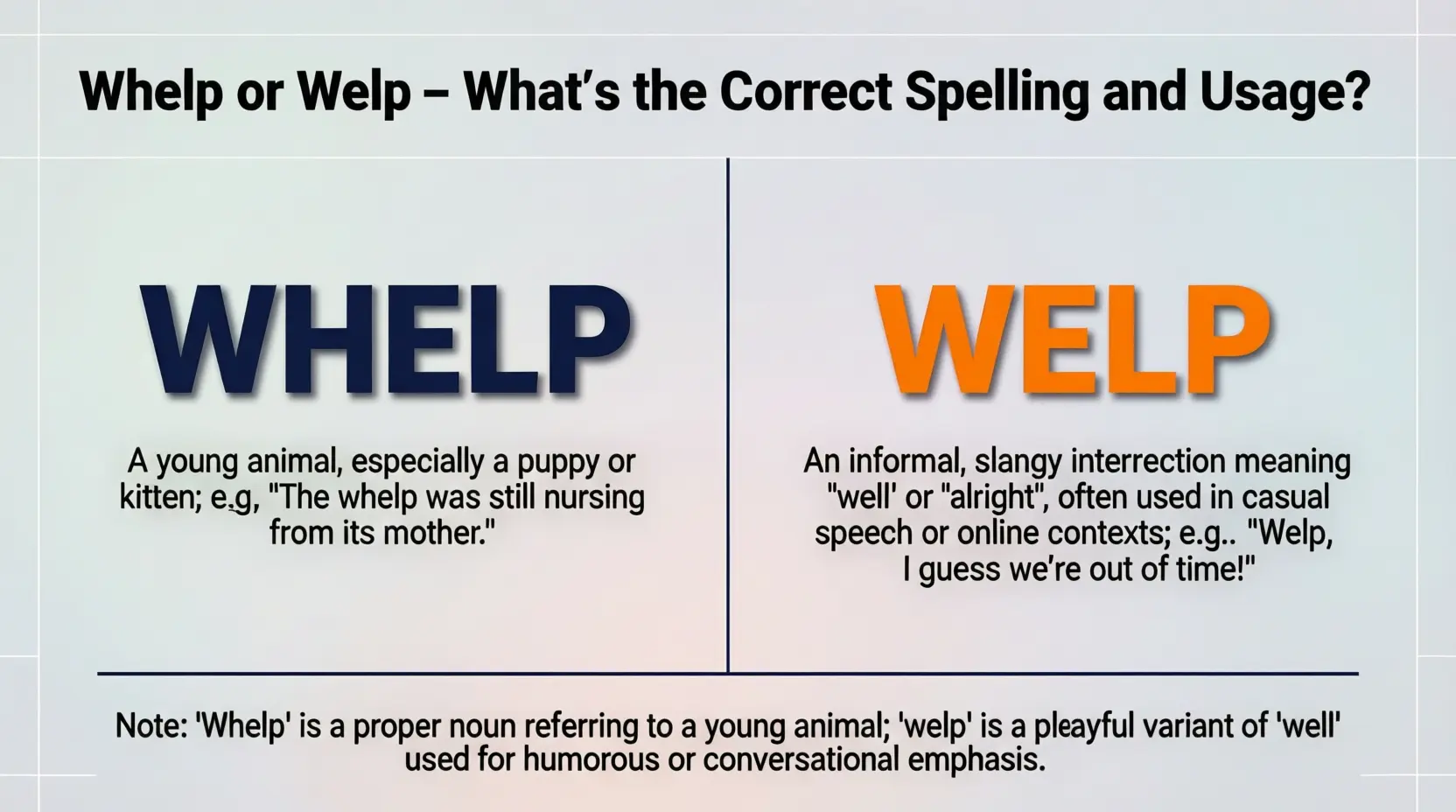
If you’ve ever typed “whelp” or “welp” online, you may have paused and wondered: which one is correct? This confusion is common because both words exist but they have very different meanings.
English is full of words that look similar but mean very different things or sometimes, one is correct while the other is just informal slang. One such confusing pair is “whelp” vs “welp.”
You may have seen whelp in books, dictionaries, or animal-related content, while welp often appears in memes, social media posts, or casual chats. This leads many people to ask
People search for “whelp or welp” when they want to know which spelling fits casual texting, social media, or formal writing.
Some use “welp” to express surprise or resignation, while “whelp” refers to baby animals or is used in older literary contexts. In this article, we’ll break down the meanings, origins, correct usage, and common mistakes so you can use the right word with confidence.
By the end, you’ll never mix them up again, whether writing a text, social post, or essay.
Whelp or Welp – Quick Answer

- Whelp → A noun meaning a young dog, wolf, or other animal. Example: The lioness cared for her whelp carefully.
- Welp → An informal exclamation expressing resignation, surprise, or acceptance. Example: Welp, I forgot my homework again.
Quick Tip: Use whelp for animals, welp for casual expressions in speech or writing.
The Origin of Whelp and Welp
- Whelp comes from Old English hwelp, meaning a puppy or young animal. It has been used in literature for centuries.
- Welp is a modern variation of “well” used in casual conversation online, first appearing in internet forums in the 2000s. It evolved as a friendly, resigned expression, like saying “oh well.”
While whelp has a long history in English, welp is modern slang.
Why Do People Confuse Whelp and Welp?
The confusion exists because:
- They sound similar
- Welp looks like a misspelling of whelp
- Autocorrect and casual typing blur the difference
However, they come from completely different backgrounds.
British English vs American English Spelling
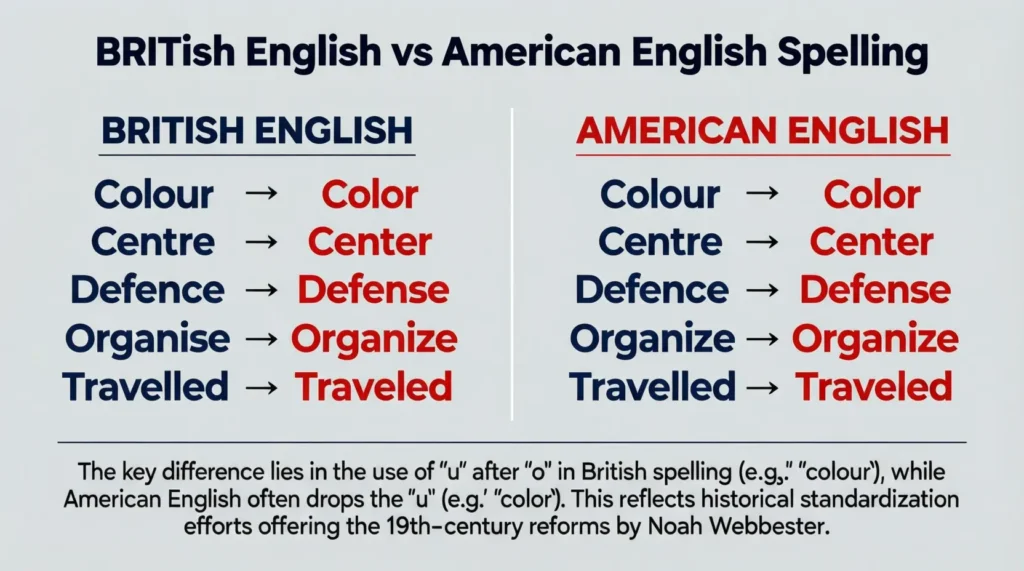
| Word | Meaning | UK Usage | US Usage |
| Whelp | Young animal | ✅ Common | ✅ Common |
| Welp | Casual exclamation | ⚠️ Less common | ✅ Very common |
Note: Both spellings are recognized in US English, but welp is mainly informal and rarely seen in British English formal writing.
Which Spelling Should You Use?
- Formal writing → Use whelp only when referring to animals. Avoid welp.
- Informal or online writing → Welp is acceptable in texts, social media, and casual communication.
- International audiences → Stick to whelp in professional contexts; use welp only in fun, casual messages.
Whelp or Welp in Professional Writing
Use “Whelp” When Writing:
- Academic papers
- Animal-related content
- Formal blogs
- News articles
- Books
Avoid “Welp” In:
- Job applications
- School exams
- Business emails
- Legal or medical writing
Common Mistakes with Whelp or Welp
- Using whelp to express surprise online (Wrong: “Whelp, I failed my test!”).
- Writing welp when referring to animals (Wrong: “The welp ran with its mother.”).
- Mixing both words in formal essays.
✅ Remember: Whelp = animal, Welp = casual exclamation.
Whelp or Welp in Everyday Examples
- Texting: Welp, I guess that’s it.
- Social media: Welp, another Monday!
- Formal writing: The whelp followed its mother closely.
- News headline: Local lioness and her whelp spotted in reserve.
- Emails (informal): Welp, I’ll try again tomorrow.
Whelp or Welp / Google Trends & Usage Data
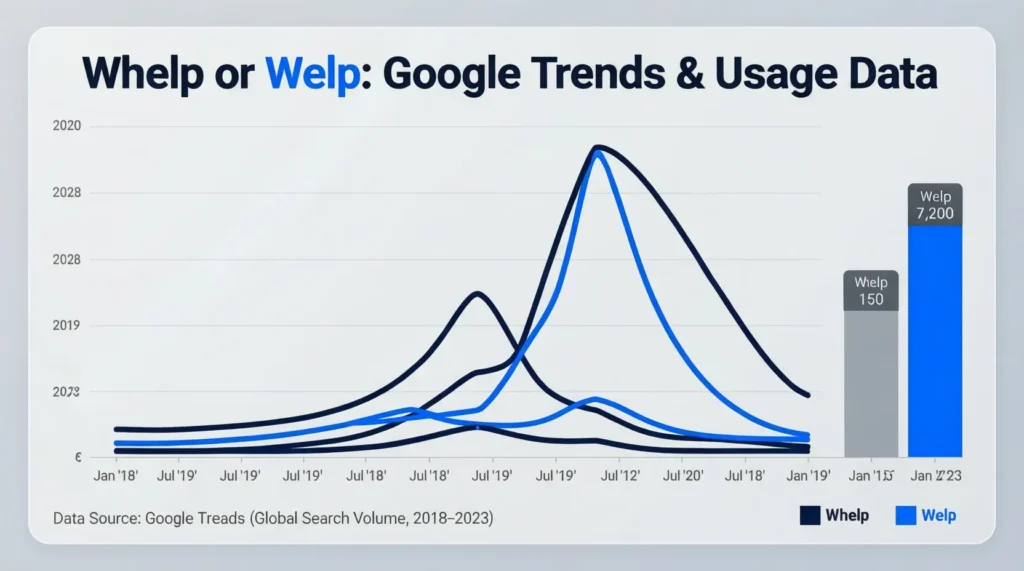
- Welp is mostly searched in the US and Canada, mainly among teenagers and young adults.
- Whelp sees higher search interest in animal-related topics and literature, globally.
- Popularity spikes for welp occur on social media and casual meme content.
Keyword Comparison Table
| Keyword | Meaning | Context | Popularity |
| Whelp | Young animal | Formal, literature, animals | Medium |
| Welp | Casual exclamation | Informal, social media | High (US) |
FAQs:
- Is “welp” a real word?
Yes, it’s an informal exclamation commonly used online or in casual conversation. - Can I use “whelp” to mean “oops”?
No, whelp only refers to young animals. Use welp instead. - Is “welp” correct in professional emails?
No, it’s considered casual slang. - Where did “whelp” come from?
It comes from Old English hwelp, meaning a puppy or young animal. - Can “whelp” be used figuratively?
Rarely, mostly in literary or poetic contexts. - Which is more common online: whelp or welp?
Welp dominates casual online conversations, while whelp appears in animal-related content. - Are there regional differences in usage?
Yes, welp is primarily US slang; whelp is universal but formal.
Conclusion:
In summary, whelp or welp serves as a classic example of English spelling confusion. Use whelp when talking about young animals, a term rooted in centuries of literature. Use welp for casual exclamations of resignation or surprise, popularized online in informal communication.
Remember, context is key: formal writing rarely sees welp, while social media thrives on it. Checking the context before writing ensures you convey the right meaning and avoid embarrassing mistakes.
By following this guide, you can confidently choose the correct spelling and impress your readers with precise, thoughtful language. If crafting emails, essays, or posts, you now have clarity on these often-confused words.

I am an experienced content writer specializing in modern English usage, vocabulary comparisons, and language learning guides. I write clear and concise explanations to help readers quickly understand the correct word choice. My writing style is practical, SEO-friendly, and ideal for students, bloggers, and non-native English learners



Post Comment