While Or Whilst- Which One Should You Use for 2026?
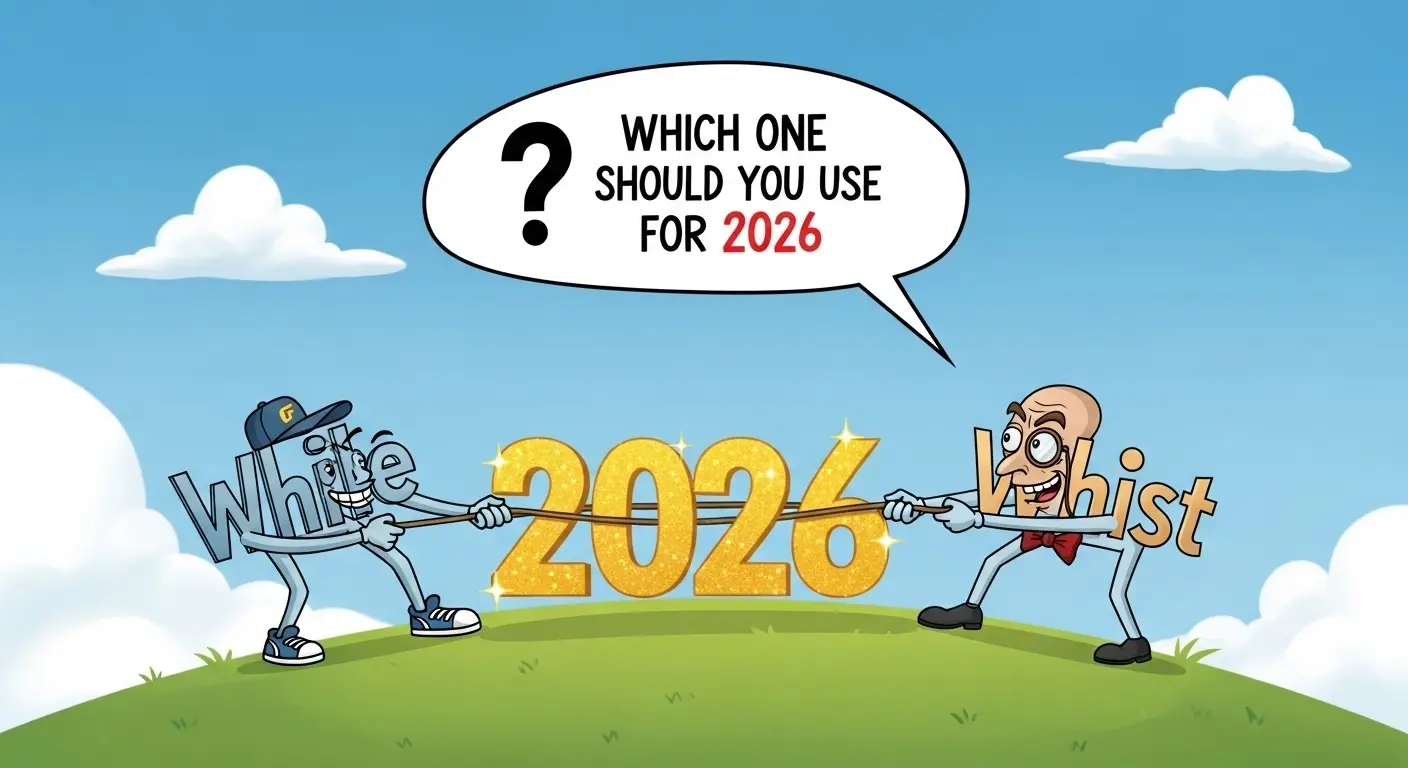
Have you ever paused mid-sentence and wondered whether to write “while” or “whilst”? You’re not alone. This is one of the most common English language confusions, especially for learners and writers who switch between British and American styles. Both words mean the same thing, yet they feel different in tone, formality, and usage.
People often search for “while or whilst” because they want to write correctly in emails, essays, or professional content. Some worry that using the wrong form might sound awkward or outdated. Others simply want to understand if there is a real difference or if it’s just a matter of preference.
The truth is simple: both words are correct, but their usage depends on region and context. In this guide, you’ll learn the difference between while and whilst, where they come from, and which one you should use in different situations.
By the end, you’ll feel confident choosing the right word every time.
While or Whilst – Quick Answer
“While” and “whilst” mean the same thing. Both are used to show time or contrast.
- While → More common worldwide, especially in American English
- Whilst → Mainly used in British English, more formal tone
Examples:
- I listened to music while working.
- She smiled whilst reading the letter.
👉 Quick tip: Use “while” if you’re unsure it works everywhere.
The Origin of While or Whilst
Both words come from Old English.
- While comes from “hwīl”, meaning a period of time.
- Whilst is a later variation, formed by adding “-st”, a common suffix in older English.
In earlier centuries, English had many variations like:
- among / amongst
- amid / amidst
Over time, American English simplified many of these forms. That’s why “while” became standard in the US, while “whilst” stayed popular in Britain.
Today:
- “While” feels modern and neutral
- “Whilst” feels traditional and slightly formal
British English vs American English Spelling
The biggest difference between while and whilst is regional usage.
| Feature | While | Whilst |
| Meaning | Same | Same |
| Usage Region | US, global | UK, Commonwealth |
| Tone | Neutral | Formal / traditional |
| Frequency | Very high | Less common |
Examples by region:
- 🇺🇸 American English:
“He was talking while walking.” - 🇬🇧 British English:
“He was talking whilst walking.”
👉 In modern global writing, “while” dominates.
Which Spelling Should You Use?
Choosing between while and whilst depends on your audience.
Use “While” if:
- You write for a global audience
- You follow American English
- You want simple, modern language
- You write blogs, SEO content, or business emails
Use “Whilst” if:
- You follow British English rules
- You write formal UK documents
- You want a traditional tone
Simple Rule:
- Global + modern → While
- British + formal → Whilst
👉 If unsure, always pick “while.”
Common Mistakes with While or Whilst
Here are frequent errors people make:
1. Mixing styles
❌ British writing with American spelling:
“I was reading whilst writing a report for an American client.”
✔ Fix: Stay consistent
“I was reading while writing a report.”
2. Using “whilst” in casual writing
❌ “Hey, I was watching Netflix whilst eating pizza.”
✔ Better:
“I was watching Netflix while eating pizza.”
3. Thinking they have different meanings
❌ “While means time, whilst means contrast.”
✔ Truth: Both can show time and contrast
- Time: “She sang while cooking.”
- Contrast: “While I like tea, he prefers coffee.”
4. Overusing “whilst”
Using it too often can sound unnatural, especially outside the UK.
While or Whilst in Everyday Examples
Emails
- “I will review the file while you prepare the slides.”
- “I will review the file whilst you prepare the slides.” (UK formal)
News Writing
- “The company grew profits while reducing costs.”
- British press may use: “whilst reducing costs.”
Social Media
- “Listening to music while working 🎧”
👉 “Whilst” is rare here.
Formal Writing
- “The study was conducted whilst maintaining strict controls.”
👉 More common in academic British English.
While or Whilst – Google Trends & Usage Data
Search trends show a clear pattern:
- “While” is used worldwide, especially in:
- United States
- Canada
- International business writing
- “Whilst” is mainly used in:
- United Kingdom
- Australia
- Some Commonwealth countries
Key Insight:
- “While” is far more popular globally
- “Whilst” is region-specific and formal
👉 For online content, “while” performs better.
Comparison Table: While vs Whilst
| Feature | While | Whilst |
| Meaning | Time / contrast | Time / contrast |
| Region | Global | British |
| Tone | Neutral | Formal |
| Popularity | High | Low |
| SEO Value | Strong | Limited |
| Best Use | Blogs, emails, global writing | UK formal writing |
FAQs:
1. Is “whilst” correct English?
Yes, it is correct. It is mainly used in British English.
2. Is “while” better than “whilst”?
Not better just more common and modern.
3. Can I use “whilst” in American English?
You can, but it may sound formal or unusual.
4. Do “while” and “whilst” have different meanings?
No, they have the same meaning.
5. Which is better for Content writing?
“While” is better because it is more widely searched.
6. Is “whilst” outdated?
Not outdated, but less common in modern global use.
7. Can I use both in the same document?
It’s better to stay consistent and use one style.
8. Which one should students use?
Students should usually use “while” unless following British rules.
Conclusion:
The difference between while and whilst is simple once you understand it. Both words mean the same thing and can be used to show time or contrast. The real difference lies in usage, tone, and audience.
While is the clear winner in modern English. It is simple, widely accepted, and used across the world. If you are writing emails, blog posts, or professional content, “while” will always sound natural and correct.
On the other hand, whilst adds a formal or traditional touch. It still has a strong place in British English, especially in academic or official writing. However, it may feel unusual or overly formal in casual or global communication.
The key is to know your audience. If you write for an international audience, stick with “while.” If you follow British standards, “whilst” is perfectly fine.
In the end, clarity matters more than style. Choose the word that makes your writing easy to read and understand.

I am an experienced content writer specializing in modern English usage, vocabulary comparisons, and language learning guides. I write clear and concise explanations to help readers quickly understand the correct word choice. My writing style is practical, SEO-friendly, and ideal for students, bloggers, and non-native English learners



Post Comment