How Does an Air Conditioning Contractor Help Improve Cooling in Homes with Heat-Retaining Brick Exteriors?
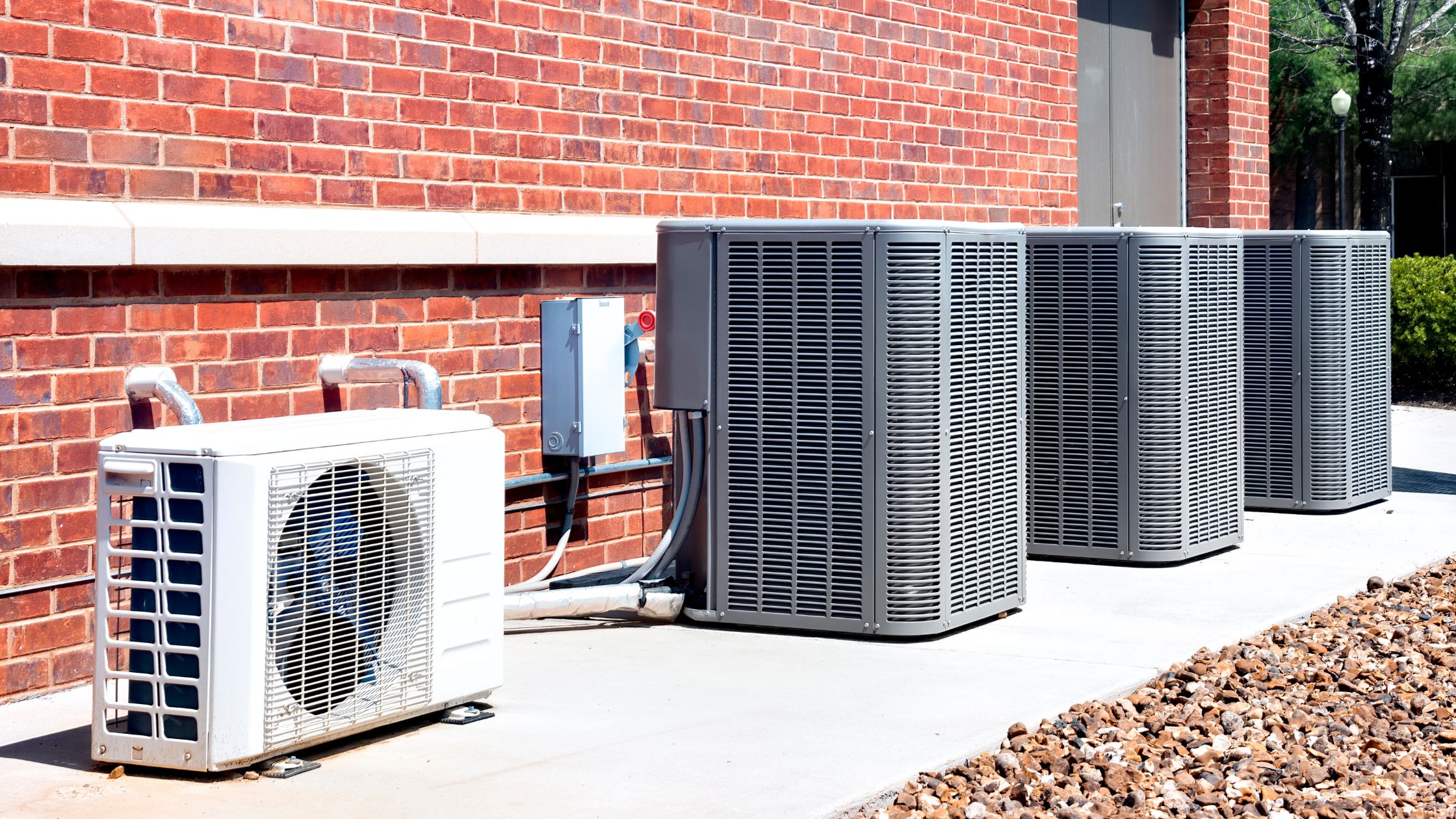
Brick exteriors can give a home a strong, attractive appearance, but they can also make cooling more difficult during warmer months. Brick holds heat for long periods, which means walls may continue releasing warmth into the home even after outdoor temperatures begin to drop. This can leave indoor spaces feeling uncomfortable late in the day and place more strain on the cooling system. An air conditioning contractor helps address this challenge by evaluating how the home handles heat, how the cooling system responds, and what adjustments can improve comfort. That support can make daily indoor temperatures feel steadier and more manageable.
Cooling Brick Homes
- Brick Walls Can Change How Heat Builds Indoors
Homes with brick exteriors often cool differently than homes with lighter or less heat-retaining materials. During the day, brick absorbs and stores heat from direct sunlight, then slowly releases it over time. This can cause indoor temperatures to rise gradually, especially in rooms that receive prolonged afternoon exposure or face the sunniest sides of the home. Even when the air conditioner is running, the house may keep gaining heat from the walls, which makes the cooling system work harder for longer. An air conditioning contractor helps by identifying how much of the comfort problem stems from the structure’s heat retention rather than from the thermostat setting alone. Homeowners looking for an Oceanside Air conditioning contractor may be trying to solve exactly this kind of problem when rooms stay warm later than expected. Understanding how brick affects indoor heat is important because the issue often extends beyond the AC unit itself and involves how the whole house responds to sunlight and stored heat.
- A Contractor Can Tell Whether the System Is Falling Behind
One of the most useful things an air conditioning contractor does is determine whether the cooling equipment is meeting the home’s heat load. In brick homes, the system may appear to work normally in the morning but still struggle later in the day, once the walls and surrounding surfaces begin releasing stored heat. A contractor can inspect airflow, refrigerant performance, duct condition, thermostat behavior, and room-to-room temperature differences to determine whether the system is losing cooling capacity under higher demand. This matters because homeowners often assume the brick exterior alone is to blame, even though the cooling system may also be underperforming due to dirty coils, weak airflow, leaky ducts, or aging components. A careful review helps separate a structural heat issue from a mechanical cooling issue. Once the contractor sees how the system behaves under real conditions, it becomes easier to plan improvements that target the root cause rather than relying on repeated thermostat adjustments that do not solve the problem.
- Better Air Distribution Helps Offset Stored Wall Heat
Air conditioning contractors also help improve comfort in brick homes by assessing how cooled air is distributed throughout the rooms most affected by retained heat. If certain walls continue to release warmth long after the sun has set, nearby spaces may need stronger or more balanced airflow to stay comfortable. In some homes, cooled air may reach the center of the house well enough, while outer rooms near brick walls remain warmer for much longer. This can make the home feel uneven even when the system is running steadily. A contractor can assess whether supply vents are placed effectively, whether return airflow is strong enough, and whether cooled air is being lost before it reaches the areas that need it most. This type of work matters because comfort depends on how well the system responds to the home’s layout, not only on whether the AC turns on and off correctly. When airflow is improved, the cooling system is more likely to counter the gradual heat buildup that brick exteriors can create during the hottest and longest parts of the day.
- Cooling Performance Improves When the Whole System Is Reviewed
An air conditioning contractor helps more broadly by reviewing the full cooling setup instead of focusing only on one visible symptom. In homes with heat-retaining brick exteriors, the issue may involve several overlapping factors. The brick may be holding heat, attic temperatures may be rising, ducts may be warming before air reaches the rooms, and the AC equipment may already be working under strain. When all of those pressures combine, homeowners can end up with a house that never feels as cool as it should, especially in the late afternoon or evening. A contractor can evaluate how these conditions affect the overall indoor environment and recommend adjustments that help the system work more effectively with the home rather than against it. That kind of review can help reduce long runtimes, improve comfort in sun-exposed rooms, and lower the frustration of having one side of the house feel different from the other. It also gives the homeowner a clearer understanding of why the cooling system behaves differently in a brick home than in other types of construction.
- Contractor Support Helps Restore More Usable Daily Comfort
The real value of an air conditioning contractor in a brick home is not only mechanical repair. It is the ability to make the living space feel more usable throughout the day. When brick exteriors hold heat and release it slowly, some rooms may remain uncomfortable during the hours when families want to cook, relax, sleep, or spend time together indoors. That ongoing discomfort can lead to repeated thermostat changes, longer system runtime, and the feeling that the house never fully cools down. Contractor support helps restore comfort by identifying which changes will make the biggest difference in how the home is actually lived in. Once airflow improves and the cooling system responds more effectively to the home’s heat pattern, indoor temperatures often become steadier and easier to manage. This allows the home to feel less burdened by the heat stored in its exterior walls. Instead of constantly reacting to rising indoor warmth, the household can enjoy a more controlled and comfortable environment through the day and into the evening.
An air conditioning contractor helps improve cooling in homes with heat-retaining brick exteriors by addressing both the structure’s stored heat and the cooling system’s ability to respond to it. Brick can continue to release warmth long after the sun has heated the exterior walls, making late-day comfort harder to maintain. A contractor helps by checking airflow, cooling performance, and how well the system serves the rooms most affected by that heat. With the right adjustments, the home can feel more balanced, more comfortable, and less overwhelmed by lingering warmth. That support makes cooling more dependable during everyday life.








Post Comment