Occupational Health & Workplace Safety: Best Practices for Asbestos and Airborne Mould Clearance
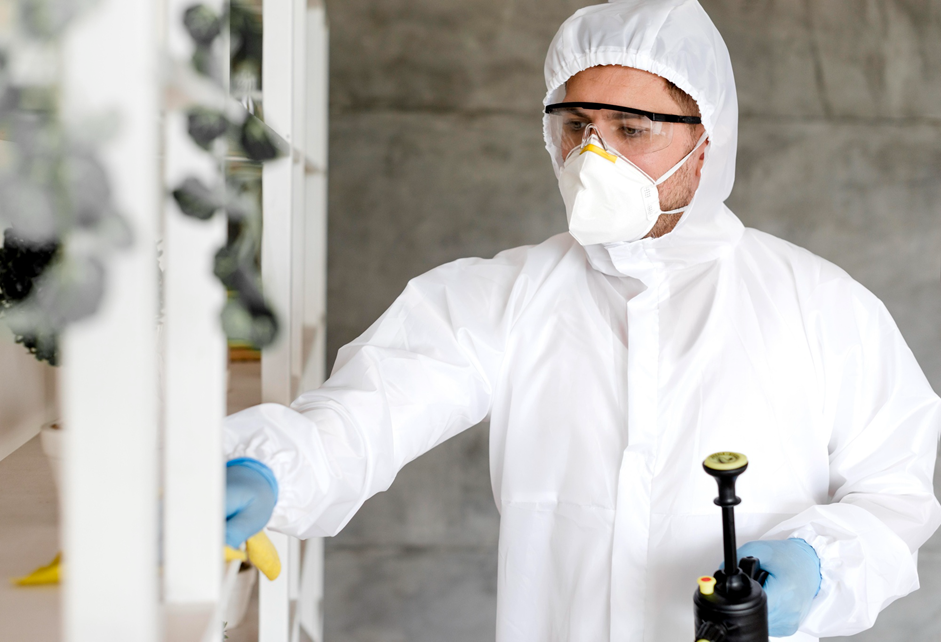
This guide solves critical compliance and health challenges by explaining how professional testing protocols identify workplace hazards. You will discover actionable steps to eliminate invisible airborne contaminants and maintain continuous compliance with Australian environmental standards.
Key Takeaways
- Professional testing mitigates severe long-term respiratory health risks for workers inside high-risk commercial facilities.
- Detailed clearance certification ensures full regulatory compliance before reoccupying any recently remediated project site.
- Rigorous containment strategies eliminate cross-contamination during active industrial asbestos and mould abatement works.
Workplace health relies on identifying hidden airborne threats early. Hazardous materials like fibres and spores severely compromise indoor environmental safety without immediate professional structural evaluation.
This guest post explores essential practices for clearance management. Readers will learn proper testing procedures, remediation steps, and compliance methods for modern commercial spaces.
Understanding Airborne Hazards in Commercial Facilities
Maintaining healthy indoor air requires understanding how microscopic contaminants enter working environments. Unseen particles circulate easily through broken HVAC units or aging infrastructure components.
Effective hazard management depends on accurate biological identification methods. Qualified occupational hygienists evaluate structural spaces to locate hidden dampness and decaying materials quickly.
Managing Asbestos Risk Exposure
Legacy building materials often contain dormant hazardous fibres. Disruption during routine renovations releases microscopic particles, creating severe respiratory health risks for unprotected site workers.
Implementing certified asbestos testing ensures total hazard control. This specialised process identifies friable materials before demolition begins, protecting site workers from illegal exposure events.
Qualified hygiene specialists collect samples using strict safety protocols. Systematic testing prevents accidental fibre release, allowing managers to establish secure site containment zones.
Here is a table showing different asbestos risks and their primary exposure areas.
| Risk Category | Primary Exposure Source | Industry Standard Action Plan |
| Friable Asbestos | Aging pipe insulation, sprayed vinyl | Immediate sealing and removal |
| Non-Friable Asbestos | Intact cement sheet, roofing tiles | Periodic monitoring and testing |
| Toxic Airborne Mould | Damp insulation, leaky HVAC ducts | Moisture control and air washing |
Table: Different Asbestos Risks and Exposure Sources
Addressing Indoor Spore Contamination
High humidity levels encourage rapid toxic fungal development. Invisible spores spread through air ducts, causing chronic allergies and severe illness among continuous building occupants.
Conducting targeted mould testing identifies active fungal colonies early. Specialised sampling pinpoints indoor spore counts, guiding effective remediation strategies for healthier workplace environments.
Uncontrolled moisture ingress fuels hidden fungal growth behind walls. Professional hygienists analyse air quality metrics, ensuring remediation targets original water sources along with active spores.
Clearance Protocols for Safe Site Re-Occupancy
Remediation works must end with thorough physical clearances. Independent safety assessments verify that abatement teams successfully removed all target contaminants from the property.
Clearance procedures prevent returning workers from encountering residual toxins. Trained inspectors evaluate physical site conditions before allowing normal business operations to resume fully.
Systematic air monitoring provides objective data regarding air quality. Specialists analyse ambient airborne samples to confirm contaminant levels remain well below statutory limits.
Inspection and Air Sampling Methods
Clearance begins with meticulous visual site evaluations by experts. Inspectors check every surface, corner, and void for remaining dust, debris, or moisture accumulation.
Advanced air sampling measures fine particulate concentrations accurately. Phase contrast microscopy evaluates airborne fibres, confirming containment barriers successfully prevented contamination leakages into adjacent rooms.
Modern field equipment captures precise volumetric air samples effortlessly. Hygienists run pump tests continuously, providing verifiable baseline data required for official clearance authorisation.
Issuing Legal Clearance Certificates
Independent hygienists generate formal clearance certificates post-inspection. These official documents declare spaces safe, confirming full compliance with national workplace safety regulations.
Site managers must retain clearance documents for legal compliance. Regulatory bodies review these certificates during safety audits to verify corporate duty of care.
Clearance documentation offers peace of mind to all occupants. Certified safety proofs validate that environmental remediation met rigorous occupational health benchmarks successfully.
Best Practices for Preventive Air Monitoring
Proactive air management prevents sudden operational shutdowns. Continuous environmental tracking identifies emerging hazards long before they reach dangerous regulatory concentration thresholds.
Facility managers should schedule regular occupational hygiene reviews. Routine site evaluations protect long-term worker health while extending overall commercial property lifespans significantly.
Establishing strict environmental control protocols minimises future remediation costs. Proper ventilation maintenance and rapid leak repairs keep hazardous airborne particles completely under control.
Implementing Asbestos Management Plans
Facility owners must maintain comprehensive hazard management records. Detailed registers list every known toxic material location across the entire commercial premises.
Scheduling routine Asbestos testing keeps building registries accurate. Updated records guide safe maintenance activities, preventing contractors from disturbing hidden hazardous materials accidentally.
Clear communication shields workers from sudden airborne exposure hazards. Displaying visible warning signage around identified materials ensures maintenance crews handle structural components cautiously.
Long-Term Moisture and Spore Control
Controlling relative indoor humidity stops spore germination completely. Facilities must maintain adequate ventilation rates to prevent condensation buildup along exterior structural walls.
Executing routine mould testing helps detect hidden moisture leaks early. Early intervention prevents widespread fungal outbreaks, saving companies expensive structural restoration costs later.
Upgrading outdated air handling units improves total filtration efficiency. Installing high-efficiency particulate filters removes microscopic allergens, ensuring clean indoor air circulates continuously.
Wrapping Up
Maintaining safe workplace air requires rigorous testing and clearance protocols. Partnering with certified hygiene professionals guarantees complete regulatory compliance, protects worker health, and secures commercial environments against dangerous airborne hazards permanently.
Take Control of Your Facility Safety
Ready to secure your commercial environment against hidden airborne hazards? Connect with certified hygiene specialists today to book a comprehensive site assessment and ensure complete regulatory peace of mind!







Post Comment