Can Probiotics Help Acne? What the Gut-Skin Research Shows
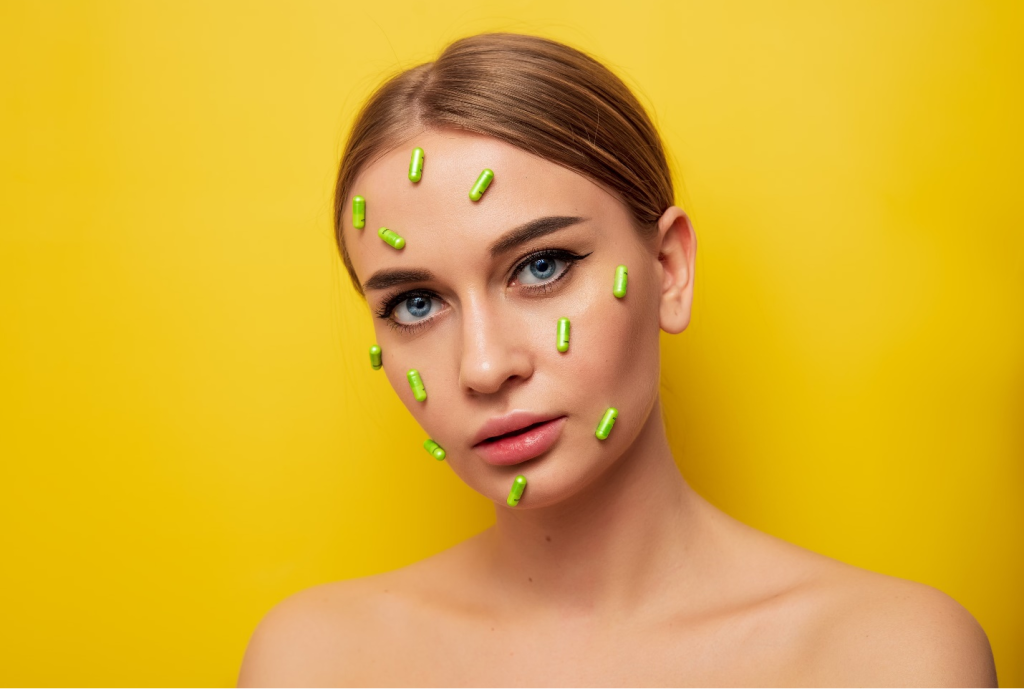
You’ve cleaned up your routine, swapped products twice, and your skin still won’t settle. Somewhere between the third serum and the fourth elimination diet, you start wondering if the answer was never on your face at all. It’s a fair question: can probiotics help acne, or is the gut-skin connection just wellness noise dressed up as science? Researchers have actually been studying this link for over a decade, and the findings are more specific than “good bacteria, good skin.” Here’s what the evidence shows, and where it stops.
What Is the Gut-Skin Connection, Exactly?
Gut health and skin are linked through what researchers call the gut-skin axis, a two-way communication system between your digestive microbiome and your largest organ. Your gut bacteria influence inflammation levels, immune signaling, and even hormone metabolism throughout your body, and your skin is sensitive to all three. When that internal balance shifts, it doesn’t always stay contained to your digestive tract.
This isn’t a fringe theory. Dermatology and gastroenterology researchers have been mapping this relationship since the early 2010s, building on a much older clinical observation: people with digestive conditions like IBS report skin flare-ups at noticeably higher rates than the general population. That overlap is what first pushed researchers to look at the gut and skin as connected systems rather than separate problems to treat in isolation.
How an Imbalanced Gut Might Show Up on Your Skin
The Inflammation Pathway
- Increased intestinal permeability: When the gut lining becomes more permeable, often called “leaky gut,” bacterial byproducts can enter the bloodstream and trigger low-grade systemic inflammation, a known contributor to acne lesions.
- Elevated inflammatory markers: Studies measuring blood markers in acne patients have found higher levels of inflammatory compounds compared to clear-skinned controls, which lines up with the gut’s known role in regulating inflammation.
The Hormone and Oil Production Pathway
- Gut bacteria and insulin sensitivity: Certain gut bacteria populations are linked to blood sugar regulation. Poor insulin sensitivity can increase androgen activity, which in turn ramps up oil production and clogged pores.
- Microbial diversity differences: Several small studies comparing acne patients to clear-skinned participants have found measurable differences in gut bacterial diversity, though researchers are still working out which differences are cause and which are simply correlation.
What the Research Actually Shows About Probiotics for Clear Skin
This is the part where it’s worth being precise. A handful of small clinical trials have tested oral probiotic supplementation alongside standard acne treatment and found modestly improved outcomes compared to standard treatment alone. Other trials have examined probiotics for clear skin in terms of reduced inflammatory markers rather than lesion counts directly.
This body of research does not show that probiotics alone can treat, cure, or replace dermatological care for acne. The studies are small, strain-specific, and often paired with other interventions, which makes it hard to isolate the probiotic’s exact contribution. Researchers describe the findings as promising and worth further study, not as a settled verdict.
Where probiotics have a clearer, well-established role is in supporting general digestive and intestinal flora health, which is the foundation the gut-skin axis research builds on in the first place. That’s a meaningfully different claim than “probiotics clear acne,” and it’s the one the science actually backs. For readers curious about how strain-specific formulations approach this, Bio-K+’s Everyday Wellness probiotics page outlines how individual strains are selected for documented effects on intestinal flora health.
Should You Try Probiotics for Healthy Skin?
- Treat it as a supporting habit, not a treatment: Probiotics may complement a dermatologist-guided acne plan, but nothing in the current research suggests they should replace one, especially for moderate to severe acne. If you’re on a prescribed treatment, keep it going and think of gut support as something layered on top, not a substitute.
- Give it real time: Gut microbiome shifts take weeks, not days, to stabilize, and any downstream effect on skin would take even longer to become noticeable. Most of the small trials in this space ran for eight to twelve weeks before researchers saw any measurable change, so judging results after a few days will set you up to quit too early.
- Pair it with the basics: Fiber-rich foods, fermented foods, and adequate sleep all influence gut bacterial diversity, and they work alongside any supplement rather than instead of it. Stress management matters here too, since cortisol has its own documented effects on both gut permeability and oil production.
The Bottom Line
The gut-skin connection is a legitimate and still-developing area of research, not a wellness myth, but it’s also not a guaranteed fix for breakouts. Probiotics show enough early promise to be worth a conversation with your dermatologist or healthcare provider, particularly if your skin issues seem tied to digestive symptoms. Readers wanting more background on how probiotic strains are studied and selected can find an overview on Bio-K+’s formula and research page. Have you noticed any connection between your gut health and your skin?








Post Comment