Composite Bonding: The Importance of Tooth Preparation Depth
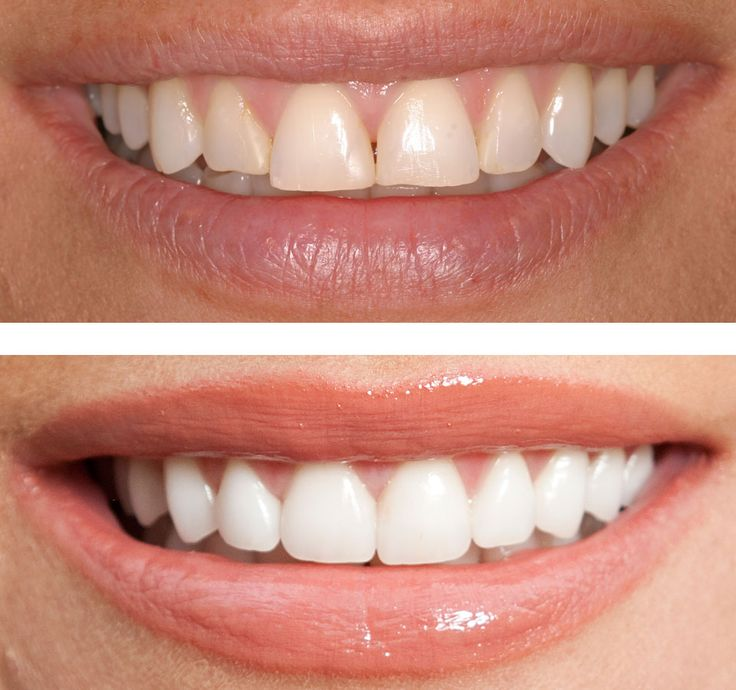
Understanding the Foundation of Modern Cosmetic Dentistry
The evolution of cosmetic dentistry has brought forth remarkable advancements in tooth restoration techniques, with composite bonding emerging as one of the most popular minimally invasive procedures available today. The success of this treatment hinges significantly on a factor that many patients might not immediately consider: the depth at which dental professionals prepare the tooth surface before applying the composite material. This critical dimension can mean the difference between a restoration that lasts for years and one that requires premature replacement.
When considering composite bonding Leeds practitioners and patients alike must appreciate that tooth preparation depth represents a delicate balance between preserving natural tooth structure and creating optimal conditions for bonding. Too shallow, and the composite may lack sufficient retention and durability; too deep, and unnecessary tooth structure is sacrificed, potentially compromising the tooth’s long-term health and structural integrity.
The Science Behind Preparation Depth
Optimal Depth Parameters
Research into dental bonding techniques has established that the ideal preparation depth for composite bonding typically ranges between 0.3 to 0.5 millimetres for most aesthetic applications. This measurement provides sufficient surface area for mechanical retention whilst maintaining the conservative ethos that defines modern adhesive dentistry. The enamel layer, which averages approximately 2.5 millimetres in thickness on anterior teeth, offers the perfect substrate for bonding when properly prepared within these parameters.
Dental professionals must consider several anatomical factors when determining appropriate preparation depth. The location of the tooth within the dental arch, the existing condition of the enamel, and the specific aesthetic goals all influence the optimal depth. Principles of optimal tooth preparation design emphasise that maintaining enamel coverage wherever possible significantly enhances bond strength compared to preparations that extend into dentine.
The Role of Enamel Versus Dentine Bonding
The distinction between bonding to enamel and bonding to dentine represents a fundamental consideration in preparation depth decisions. Enamel, being predominantly inorganic, provides a more predictable and robust bonding substrate through micromechanical retention created by acid etching. Dentine, conversely, presents a more complex bonding challenge due to its organic composition and inherent moisture content.
Studies have demonstrated that bond strengths to enamel can reach values of 20-25 MPa, whilst dentine bonding typically achieves 15-20 MPa under optimal conditions. This differential underscores why conservative preparation depths that preserve enamel coverage correlate with superior long-term success rates. When preparations inadvertently extend into dentine, clinicians must employ additional bonding protocols to compensate for the reduced bond strength potential.
Clinical Outcomes and Longevity
Measuring Success in Composite Restorations
The relationship between preparation depth and clinical longevity has been extensively documented in dental literature. Research examining bonding effectiveness in restorative dentistry reveals that restorations placed with minimal tooth preparation demonstrate survival rates exceeding 90% at five-year follow-up appointments when proper protocols are observed. These impressive statistics reflect the robust nature of modern bonding systems when applied to adequately prepared enamel surfaces.
Failure modes in composite bonding procedures often correlate directly with preparation depth errors. Insufficient depth may result in inadequate retention, leading to marginal discolouration or complete debonding. Excessive depth, particularly when extending beyond the enamel-dentine junction, increases the risk of post-operative sensitivity and compromises the restoration’s aesthetic integration with surrounding tooth structure.
Contemporary Best Practices
Modern dental practitioners increasingly rely on magnification and precise measurement tools to ensure consistent preparation depths. Evidence-based approaches to dental bonding procedures advocate for systematic assessment protocols that include pre-operative planning and careful execution using calibrated instruments. This methodical approach minimises variability and enhances predictability across diverse clinical scenarios.
The emergence of digital planning software has further refined preparation depth control, allowing clinicians to visualise the final result before beginning the procedure. These technological advances complement traditional clinical skills, ensuring that each preparation achieves the ideal depth for maximum bonding success whilst preserving precious tooth structure.
Achieving Optimal Results Through Precise Preparation
The impact of tooth preparation depth on composite bonding success rates cannot be overstated. As dental science continues to evolve, the emphasis on conservative, precisely controlled preparations remains paramount. Practitioners who master the delicate balance between adequate preparation and tooth preservation consistently deliver restorations that combine aesthetic excellence with exceptional longevity, ultimately providing patients with the confident smiles they deserve.








Post Comment