Early Signs of an Ingrown Toenail You Should Never Ignore
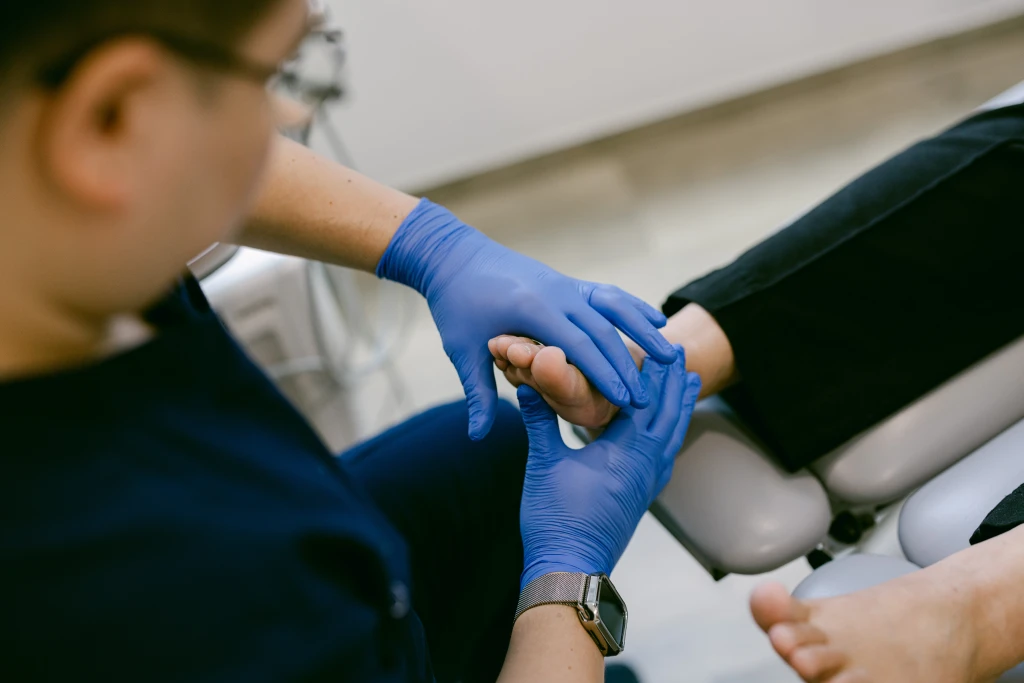
A little soreness around a toenail can seem harmless at first. You might notice it when putting on shoes or feel a slight pinch while walking. Because the discomfort is often mild in the beginning, it is easy to ignore and hope it goes away.
However, tenderness around the edge of a toenail can be an early sign of an ingrown nail. Recognizing the problem and responding appropriately can help prevent further irritation and reduce the risk of complications.
What Happens When a Toenail Becomes Ingrown?
An ingrown toenail develops when the edge of a nail presses into or grows into the surrounding skin. The big toe is commonly affected, although the condition can occur on other toes.
The pressure irritates the nearby tissue, causing tenderness and sometimes redness or swelling. If the nail continues to press into the skin, the discomfort may become more noticeable when walking or wearing closed shoes.
The problem can develop gradually or appear after a nail has been trimmed incorrectly, a toe has been injured, or tight footwear has placed repeated pressure on the nail.
Some people also have naturally curved nails that make recurring episodes more likely.
The Early Symptoms to Look For
Tenderness Around One Side of the Nail
One of the first signs is soreness along the nail edge. The area may feel sensitive when touched or when the toe presses against the inside of a shoe.
At this stage, the discomfort may come and go. However, repeated pressure can gradually make it worse.
Redness and Swelling
The skin beside the nail may become red or slightly swollen as irritation develops. These changes suggest that the surrounding tissue is reacting to pressure.
If the redness spreads or swelling increases rapidly, seek medical advice rather than assuming the problem will settle by itself.
Discomfort When Walking
An ingrown nail can make ordinary activities uncomfortable. Walking, exercising, or wearing formal shoes may put pressure on the affected toe.
If you find yourself changing the way you walk to avoid pain, it is worth getting the toe checked.
Drainage or Increasing Pain
If the surrounding skin becomes infected, you may notice pus, warmth, increasing swelling, or more severe pain.
These symptoms need prompt attention. Fever or redness spreading beyond the immediate area requires urgent medical assessment.
Why Do Ingrown Toenails Develop?
The way toenails are trimmed can influence how they grow. Cutting them too short or rounding the corners deeply may leave an edge that presses into the skin.
Footwear is another common factor. Shoes that squeeze the toes together can place pressure on the nail edges, especially during long walks or exercise.
Injuries may also contribute. Repeated pressure from sports or accidentally striking the toe can affect the nail and surrounding tissue.
If you experience repeated episodes, your natural nail shape may be part of the problem. Understanding the signs of an Ingrown toenail can help you recognize why prevention and timely care are important.
What Should You Do When Symptoms Begin?
If you notice mild tenderness, avoid shoes that press against the affected toe. Choose footwear with enough room for your toes and reduce activities that repeatedly aggravate the area.
Most importantly, do not try to dig into the nail corner with scissors, tweezers, or other sharp tools. Cutting out an embedded section can damage the skin and increase the risk of infection.
If the discomfort continues, returns repeatedly, or becomes more severe, arrange a professional assessment.
People with diabetes, poor circulation, reduced sensation, or impaired healing should seek medical advice promptly rather than attempting to manage the problem at home.
Understanding Professional Treatment
Treatment depends on the severity of the condition and whether infection is present. Mild cases may be managed with conservative care and steps to reduce pressure on the toe.
When the nail edge is deeply embedded or symptoms keep returning, a clinician may recommend a minor procedure to remove the part causing the irritation. Some recurring cases may benefit from additional treatment intended to reduce regrowth of the problematic nail edge.
A procedure is not necessary in every case. The appropriate approach should be determined after examining the toe.
People researching ingrown toenail treatment can discuss their symptoms and suitable options with a qualified professional. Consulting a Podiatrist in Singapore may also help clarify the cause of recurring nail discomfort.
How to Reduce the Risk of Another Episode
Simple changes can help reduce the likelihood of future problems. Trim toenails straight across, avoid cutting them too short, and do not dig into the corners.
Choose shoes that fit comfortably without squeezing the toes. If your work or hobbies involve long periods in closed footwear, check that the shoes provide enough room at the front.
It is also helpful to inspect the feet regularly. If the same area repeatedly becomes red or tender, seek advice rather than waiting for the symptoms to become severe.
Conclusion
An ingrown toenail may begin with mild tenderness, but continued pressure can lead to swelling, pain, and sometimes infection. Recognizing early signs gives you an opportunity to respond before the problem becomes more disruptive.
Avoid cutting deeply into a painful nail or attempting to remove an embedded section yourself. If symptoms persist, worsen, or suggest infection, professional assessment can help determine the appropriate next step and support healthier foot care.







Post Comment