How to Source Reliable Hemp Agriculture Products
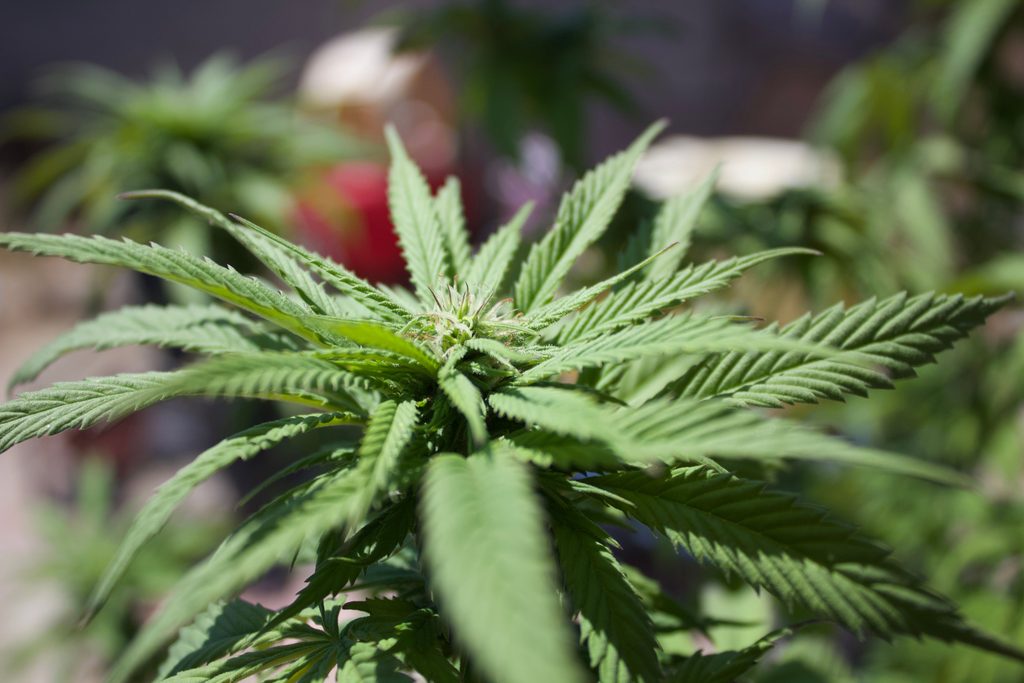
Finding dependable hemp agriculture products can be challenging in a market that continues to expand and evolve. Whether you’re a farmer, processor, retailer, or consumer looking to source seeds, equipment, or finished goods, understanding how to evaluate suppliers and assess product quality is essential. The hemp industry has experienced significant growth over the past decade, but not all vendors operate with the same standards or transparency. This guide covers the key strategies for identifying trustworthy suppliers and ensuring the products you obtain meet your needs and regulatory requirements.
1. Verify Compliance and Certifications
Before engaging with any hemp agriculture supplier, confirm that they operate within all applicable legal frameworks. Hemp regulations vary by region and continue to change, so a reliable supplier should demonstrate current knowledge of local, state, and federal rules. Ask potential vendors to provide documentation showing they are licensed to produce, distribute, or sell hemp products. Look for third-party certifications that indicate adherence to industry standards. Reputable companies often display certifications from recognized agricultural or hemp-specific organizations on their websites and marketing materials. These credentials demonstrate that a supplier has undergone independent verification and passed quality assessments.
2. Evaluate Testing and Quality Assurance Practices
Quality assurance is non-negotiable when sourcing hemp agriculture products. Request information about how each supplier tests their products for cannabinoid content, residual solvents, pesticides, microbial contamination, and heavy metals. Trustworthy vendors will have laboratory test results available and should be willing to share these reports with potential customers. The testing should be performed by accredited third-party laboratories rather than in-house facilities alone, as this provides impartial verification of results. Ask about their testing frequency and whether they conduct quality checks at multiple stages of production or distribution. Suppliers who openly share their testing protocols and results demonstrate confidence in their products and a commitment to consumer safety.
3. Research Supplier Reputation and Industry Presence
Investigating a supplier’s track record within the hemp industry provides valuable insight into their reliability. Search for industry reviews, case studies, and testimonials from other businesses that have worked with the supplier. Industry publications and trade associations often feature reputable companies and may flag those with compliance issues or customer complaints. Growers who cultivate both hemp and cannabis crops frequently source marijuana seeds from established breeders to ensure genetic consistency and compliance with strain-specific requirements. Attending hemp industry conferences or trade shows allows you to meet supplier representatives in person and assess their professionalism and knowledge. A strong industry reputation typically indicates consistency, reliability, and a commitment to ethical business practices.
4. Assess Product Consistency and Supply Chain Transparency
A dependable supplier maintains consistent product quality and can explain their entire supply chain from production through delivery. Ask detailed questions about where raw materials are sourced, how products are processed, stored, and transported. Request information about their facility conditions and whether they maintain food-grade or pharmaceutical-grade standards, depending on the product type. Transparency about supply chain practices helps you understand potential risks and ensures that products meet your specific requirements. Reliable suppliers can provide detailed documentation tracing products back to their origins, which protects your business and confirms exactly what you are obtaining.
5. Compare Pricing with Market Standards
While price should never be the only factor in choosing a supplier, it does provide useful context about product value and quality. Research typical pricing for the specific hemp products you need by contacting multiple vendors and comparing quotes. Be cautious of prices that seem unusually low, as this may indicate lower quality, regulatory shortcuts, or other concerns worth investigating. Similarly, extremely high prices do not guarantee superior quality, and legitimate suppliers price their products based on production costs, testing expenses, compliance investments, and reasonable profit margins.
Request detailed invoices and price breakdowns so you understand what you are paying for before committing to a vendor. Building a long-term relationship with a supplier often results in better pricing and terms than single purchases made without an established history.
6. Establish Clear Communication and Support Systems
Dependable suppliers prioritize customer communication and are responsive to questions and concerns. Evaluate how quickly and thoroughly they respond when you reach out with inquiries about their products or services. A reliable vendor should provide clear information about ordering processes, payment terms, delivery timelines, and return policies. Ask about their customer support structure and how they handle issues like damaged shipments, quality concerns, or product recalls. Strong suppliers maintain open channels of communication and work collaboratively to resolve problems. Consider requesting references from existing customers who can attest to the vendor’s responsiveness and professionalism.
Conclusion
Sourcing reliable hemp agriculture products requires diligence and a systematic approach to evaluating potential suppliers. By verifying compliance status, examining testing practices, researching industry reputation, assessing supply chain transparency, comparing pricing, and establishing clear communication channels, you can confidently identify vendors that meet your standards. The hemp industry continues to mature, and suppliers who prioritize quality, transparency, and customer service demonstrate their commitment to sustainable growth. Taking time upfront to thoroughly vet suppliers protects your business, ensures product quality, and builds a foundation for long-term partnerships. As you develop relationships with trusted vendors, you will gain access to better products, improved terms, and the assurance that your hemp agriculture products meet all necessary standards and regulations.







Post Comment