Why Does My Voice Sound Different When I First Wear Hearing Aids?
Many people are surprised by one particular experience when they begin wearing hearing aids. Instead of noticing only the sounds around them, they also notice that their voices seem different. Some describe it as louder, deeper, or hollow, or as though they are speaking inside a barrel. This reaction is very common and is usually temporary. Understanding why this phenomenon happens can make the adjustment process much easier. If you have recently experienced hearing loss or have completed a hearing test, learning about this normal part of hearing aid use can help set realistic expectations. For individuals seeking hearing care in Clearwater, FL, understanding the causes behind this sensation often leads to greater confidence during the first few weeks of treatment.
Why Your Voice Sounds Different
When people speak, they hear their voices in two ways. Sound travels through the air to the ears, and vibrations also travel through the bones of the skull. Before hearing aids are introduced, the brain becomes accustomed to this natural combination of sound.
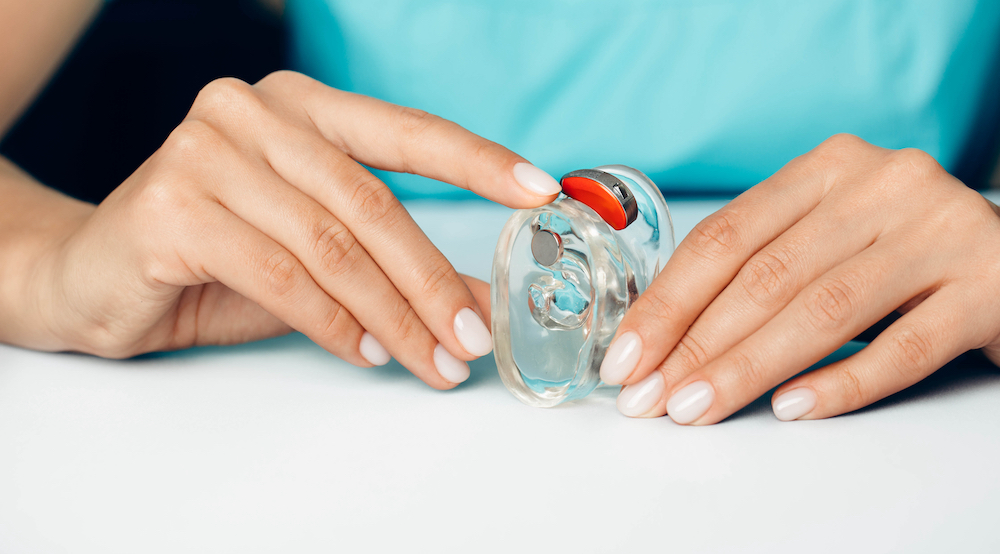
When hearing aids are placed in the ears, particularly custom or in-the-ear models, they partially block the ear canal. This changes how sound travels and alters the balance between internal and external sound. As a result, your voice may seem unusually loud or echoing even though other people hear it normally.
This experience is commonly known as the occlusion effect and is one of the most frequently discussed topics during a first hearing aid fitting.
What Is the Occlusion Effect?
The occlusion effect occurs when the ear canal is partially sealed, causing low-frequency sounds, including your voice, to remain inside the ear rather than escaping naturally. These trapped sound vibrations create the sensation that your voice is fuller or more resonant than expected.
Although this sensation may seem unusual at first, it does not mean the hearing aids are defective or improperly fitted. Many first-time users experience the occlusion effect during the initial adjustment period.
Why Some People Notice It More Than Others
Not everyone experiences the occlusion effect to the same degree. The severity often depends on the hearing aid style, the shape of the ear canal, and the degree of hearing loss. People with mild hearing loss sometimes notice their voices more than individuals with greater hearing loss because they continue to hear much of their natural voice without amplification.
Your hearing care professional considers these factors when selecting hearing aid styles and programming settings.
The Adjustment Period Is Normal
The brain needs time to adapt whenever hearing changes are made. During the first several days or weeks, familiar sounds may seem different simply because your brain is processing sounds it has not heard clearly for some time.
Many patients report that their voices sound much more natural after consistently wearing their hearing aids. As the brain adapts, the unusual sensation often becomes far less noticeable.
Repeatedly removing hearing aids during the adjustment period may slow this process because the brain has fewer opportunities to become accustomed to the new listening experience.
Programming Adjustments Can Improve Comfort
If your voice continues to sound unnatural after several weeks, your hearing aid programming may need to be adjusted. Modern hearing aids offer hearing care professionals many options to improve listening comfort while maintaining speech clarity.
Small changes to amplification, venting, or other settings often significantly reduce the occlusion effect. In some situations, different ear domes or earmolds may also improve comfort without reducing hearing performance.
Follow-up appointments remain an important part of successful hearing care because real-world listening experiences provide valuable information that cannot always be duplicated during an office visit.
A Hearing Test Is the First Step Toward Better Hearing
Every successful hearing aid fitting begins with a professional hearing test. The results provide detailed information about hearing loss and help determine the most appropriate hearing aid style, programming, and follow-up care.
Hearing professionals use these results to customize hearing technology according to each person’s hearing needs rather than applying the same settings for every patient. This personalized approach often improves comfort while supporting clearer communication in everyday situations.
Frequently Asked Questions
Is it normal for my voice to sound different with hearing aids?
Yes. Many first-time hearing aid users experience changes in how their voices sound during the initial adjustment period.
How long does the occlusion effect usually last?
For many people, the sensation becomes much less noticeable after several days or weeks as the brain adapts to hearing aids.
Can my hearing aids be adjusted if my voice still sounds unusual?
Yes. Hearing care professionals can often improve comfort by adjusting hearing aid programming, changing ear domes, or modifying the fit.
Should I have a hearing test before getting hearing aids?
Yes. A professional hearing test identifies the type and degree of hearing loss and provides the information needed to customize hearing aids for your specific hearing needs.
If you have experienced hearing loss, recently completed a hearing test, or have questions about adjusting to hearing aids in Clearwater, FL, contact Countryside Hearing Aid Services to receive personalized hearing care and ongoing professional support.








Post Comment