Singapore Condo Maintenance Fees: A Complete Guide
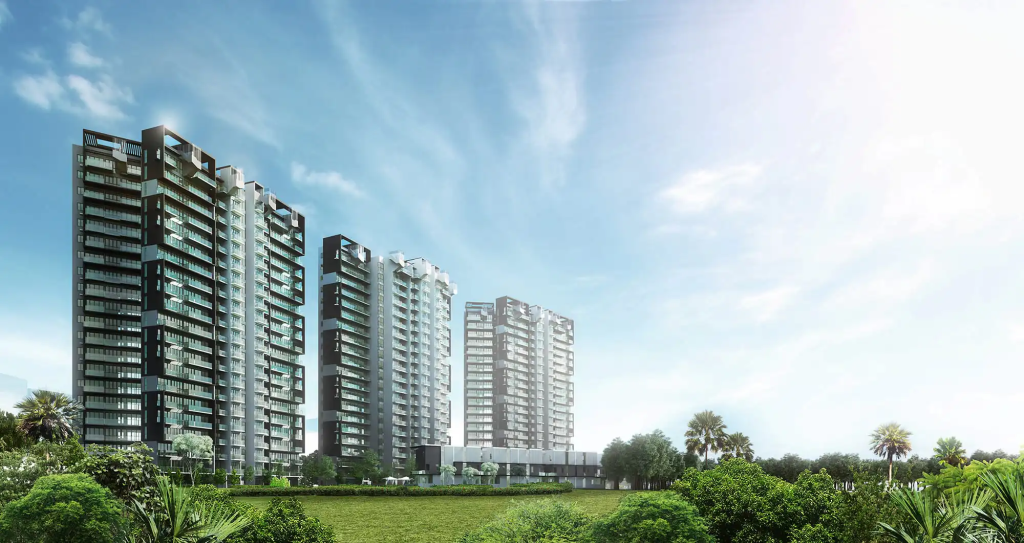
Owning a private condominium in Singapore represents a major financial milestone, but the purchase price is only part of the equation. Ongoing costs, specifically monthly maintenance fees, significantly impact your long-term budget. Whether you live in a boutique development like the Lucerne Grand or a sprawling suburban estate, these recurring charges keep your community clean, safe, and functional. Buyers often overlook these fees during the property search, leading to unexpected financial strain later. This guide simplifies the complex world of Singapore condo maintenance fees, helping you understand how developers calculate these charges, where your money goes, and how to budget effectively for your future home.
Understanding Share Value and Maintenance Fees
The Commissioner of Buildings determines how developers allocate maintenance fees using a system called share value. When you buy a condominium unit, the authorities assign a specific share value to your property based on its floor area. This share value represents your share of ownership in the common property and determines your voting power during general meetings. More importantly, it directly dictates your share of the estate’s overall maintenance expenses.
How Share Value Works in Practice
Typically, share value increases with the size of the unit, but not in a strictly linear fashion. For example, a unit under 50 square meters might have a share value of five, while a unit between 51 and 100 square meters might have a share value of six. If you purchase a premium unit in a development like Thomson Reserve, your share value will reflect the size and luxury status of your specific layout. The Management Corporation Strata Title (MCST) multiplies the total maintenance cost of the estate by your unit’s share value to calculate your exact monthly contribution. Consequently, larger units always pay higher fees than smaller units within the same development, regardless of how often the residents actually use the gym, pool, or barbecue pits.
Factors That Influence Your Monthly Contribution
Several key factors influence the actual dollar amount you pay each month. First, the total number of units in your development plays a massive role. Large mega-developments with over a thousand units can spread the cost of security guards, landscaping, and pool maintenance across many owners, resulting in lower individual fees. Conversely, boutique developments with fewer units face higher per-unit costs because they have fewer residents to share the overhead expenses.
Amenities and Luxury Levels
The variety and scale of amenities also drive up maintenance costs. High-end facilities like heated swimming pools, concierge services, and extensive private gardens require constant attention and specialized service contracts. If you choose an exclusive, low-density property like the Lucerne Grand, you enjoy unmatched privacy and quiet surroundings. However, because there are fewer residents to share the costs of private security, lift maintenance, and general upkeep, your monthly maintenance fees will naturally be higher than those in a massive suburban project. Additionally, older developments often require more frequent repairs, which can gradually increase the monthly fees over time as the building’s infrastructure ages and demands more hands-on care.
Sinking Fund vs. Management Fund
Your monthly maintenance fee does not go into a single, generic bank account. Instead, the MCST divides your payments into two distinct accounts: the management fund and the sinking fund. Understanding the difference between these two funds helps you see exactly where your hard-earned money goes each month.
The Management Fund
The management fund covers the daily, recurring operational expenses of the condominium. This includes paying the salaries of security personnel and cleaning staff, settling utility bills for common areas, and performing routine pest control. It also covers minor repairs, such as replacing broken light bulbs in the hallways or fixing a leaky pipe in the clubhouse.
The Sinking Fund
The sinking fund, on the other hand, is reserved for long-term, capital-intensive projects. This fund pays for major expenditures that occur every few years or decades. Examples include repainting the entire building facade, replacing old elevators, upgrading security systems, or resurfacing the tennis courts. A healthy sinking fund is vital for maintaining the property value of developments like Thomson Reserve over the long term. If a condo lacks a robust sinking fund when major repairs are due, the MCST may levy a hefty one-time special levy on all owners, creating a sudden and unwelcome financial burden.
What Happens if You Fail to Pay?
Paying your maintenance fees is a legal obligation under the Land Titles (Strata) Act. Some homeowners mistakenly believe they can withhold payments if they are unhappy with the management committee’s performance or if a specific amenity remains broken for weeks. However, withholding fees is illegal and can lead to severe consequences.
Interest Charges and Legal Action
When you miss a payment, the MCST will first send a reminder letter. If you ignore this, they will charge interest on the outstanding amount, often at a high rate of up to 15% per annum. Continued non-payment will prompt the MCST to serve a written demand. If you still do not settle the debt, the management can take legal action to recover the funds.
Severe Consequences and Asset Seizure
The MCST has the legal power to register a charge against your property. This means they can eventually apply for a court order to sell your unit at a public auction to recover the unpaid fees. This rule applies to every private homeowner in Singapore, whether you own a unit in the Thomson Reserve or a high-rise apartment downtown. Furthermore, the MCST can restrict your access to common facilities, such as blocking your vehicle transponder or disabling your access card to the gym and pool, until you resolve your outstanding balance.
Conclusion
Condominium maintenance fees are an unavoidable aspect of private homeownership in Singapore. These fees ensure your estate remains clean, secure, and visually appealing, directly preserving your property’s market value over time. Before signing the option to purchase, always ask the seller or agent for the exact monthly maintenance fee and the current health of the sinking fund. Budgeting for these recurring costs protects you from financial stress and ensures a smooth homeownership journey. By understanding how share values and management funds work, you can make an informed purchasing decision and enjoy your condominium lifestyle without any unpleasant financial surprises down the road.







Post Comment