A Practical Walkthrough for Choosing Wall Hugger Recliners
Small living rooms, cozy apartments, and multi-purpose spaces all share a common challenge: finding seating that combines genuine comfort with intelligent use of space. Traditional recliners often demand a wide clearance behind them to fully extend, forcing homeowners to sacrifice square footage or skip the recliner idea altogether. That is where wall hugger designs enter the conversation. Engineered to slide forward rather than tilt backward, they deliver the same restful lounging experience while sitting just inches from the wall. This walkthrough is designed to help you evaluate every angle of the buying decision, from the mechanics that make these chairs work to the upholstery choices that shape their look and feel. By the end, you will have a clear framework for matching a wall hugger to your room dimensions, lifestyle, and long-term comfort expectations.
Understanding What Sets Wall Hugger Recliners Apart
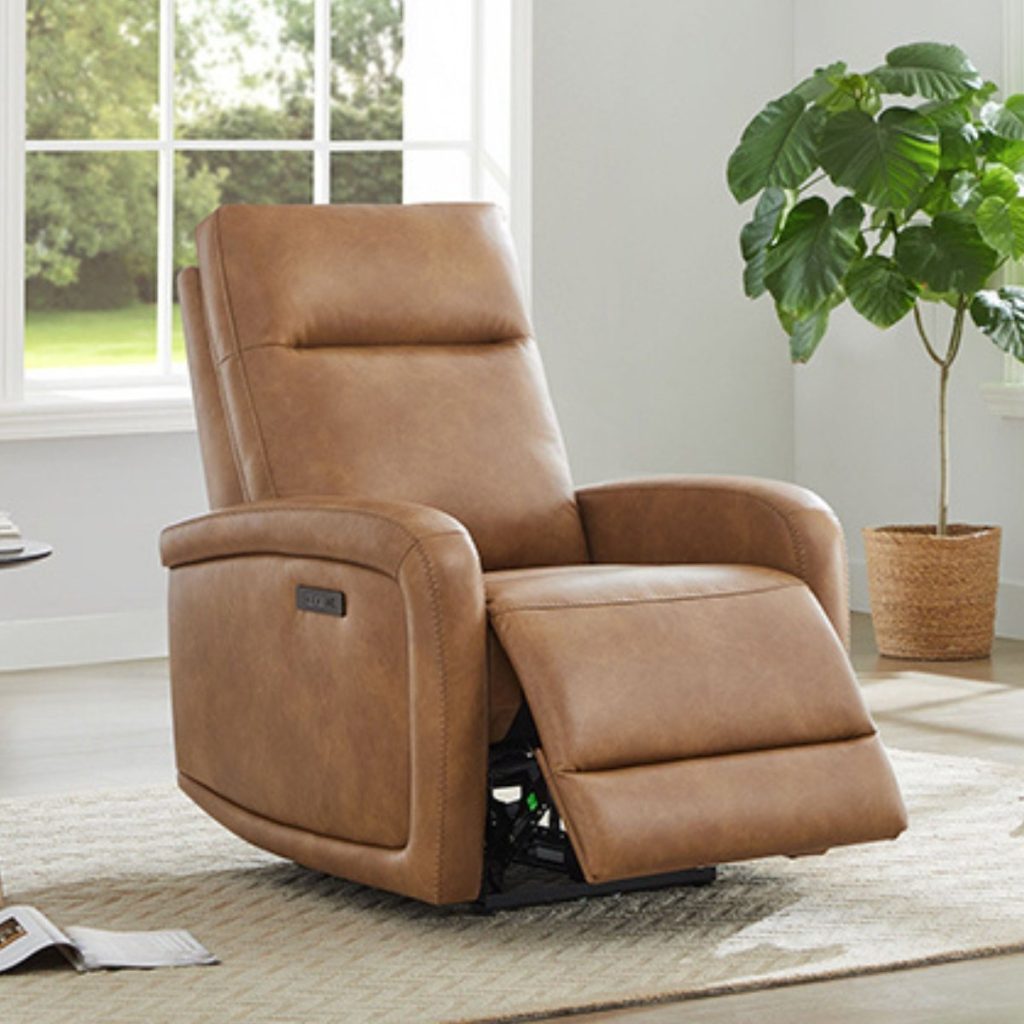
The defining feature of a wall hugger is its reclining mechanism. Instead of pushing the backrest into the room behind it, the seat glides forward on a track while the back tilts only slightly. This forward-glide action means the chair can be placed as little as three to six inches from the wall and still fully recline. Standard recliners, by contrast, typically need eighteen inches or more of rear clearance to open properly. The difference sounds subtle, but when you multiply it by the width of a chair or sofa, it can free up nearly two feet of usable floor space.
The compact footprint is only part of the story. Because the mechanism is designed for tight quarters, engineers often refine the frame, motor, and cushioning to preserve full lumbar support and headrest positioning. A well-built wall hugger should feel identical to a traditional recliner when reclined, with no compromise on legroom or back angle. When you evaluate wall hugger recliners, look for models that clearly state the required wall clearance and demonstrate a smooth, quiet glide from upright to fully open.
Measuring Your Space Before You Shop
Every successful furniture purchase begins with a tape measure. For a wall hugger, focus on three dimensions: the depth of the chair when fully reclined, the width of the seat with any side arms included, and the height needed for clearance if the piece sits under a window or artwork. Sketch the room on graph paper or use a free floor-plan app, and mark doorways, radiators, and outlets so nothing surprises you on delivery day.
Pay special attention to walk-around paths. Even a compact recliner needs a comfortable route between it and coffee tables, media consoles, or other seating. If you plan to place two chairs side by side, allow a few inches between them so the arms do not knock together when they glide forward. For sectionals or reclining sofas with wall hugger mechanisms, verify that end pieces will not obstruct baseboards, HVAC vents, or wall-mounted outlets. These small planning steps prevent the frustration of a beautiful chair that never quite fits.
Choosing Between Manual and Power Operation
Wall huggers come in two broad categories: manual lever-operated models and power-driven versions that recline at the touch of a button. Manual chairs tend to cost less and require no proximity to an outlet, but the pull handle demands a bit of upper-body effort and offers limited positioning between fully upright and fully reclined.
Power recliners, on the other hand, use quiet electric motors to move through a full range of positions and can pause anywhere along the arc. Many include integrated USB or USB-C charging ports, allowing you to top up a phone or tablet without leaving the seat. Some higher-end power models add adjustable headrests and lumbar support, letting you fine-tune the angle of your neck and lower back independently. If you or a family member has mobility considerations, a power model with a lift function may be worth the added investment. Weigh the convenience of powered operation against the ongoing need for a nearby outlet and the slightly higher price of the motorized components.
Selecting Upholstery That Fits Your Life
Fabric choice affects both the look of your recliner and how long it maintains that look. Performance fabrics have made significant strides in recent years and now resist most household spills while feeling as soft as traditional cotton or linen. They are a strong pick for households with young children, pets, or frequent snack-time lounging. Look for materials rated with tight rub counts, which indicate resistance to wear over years of daily use.
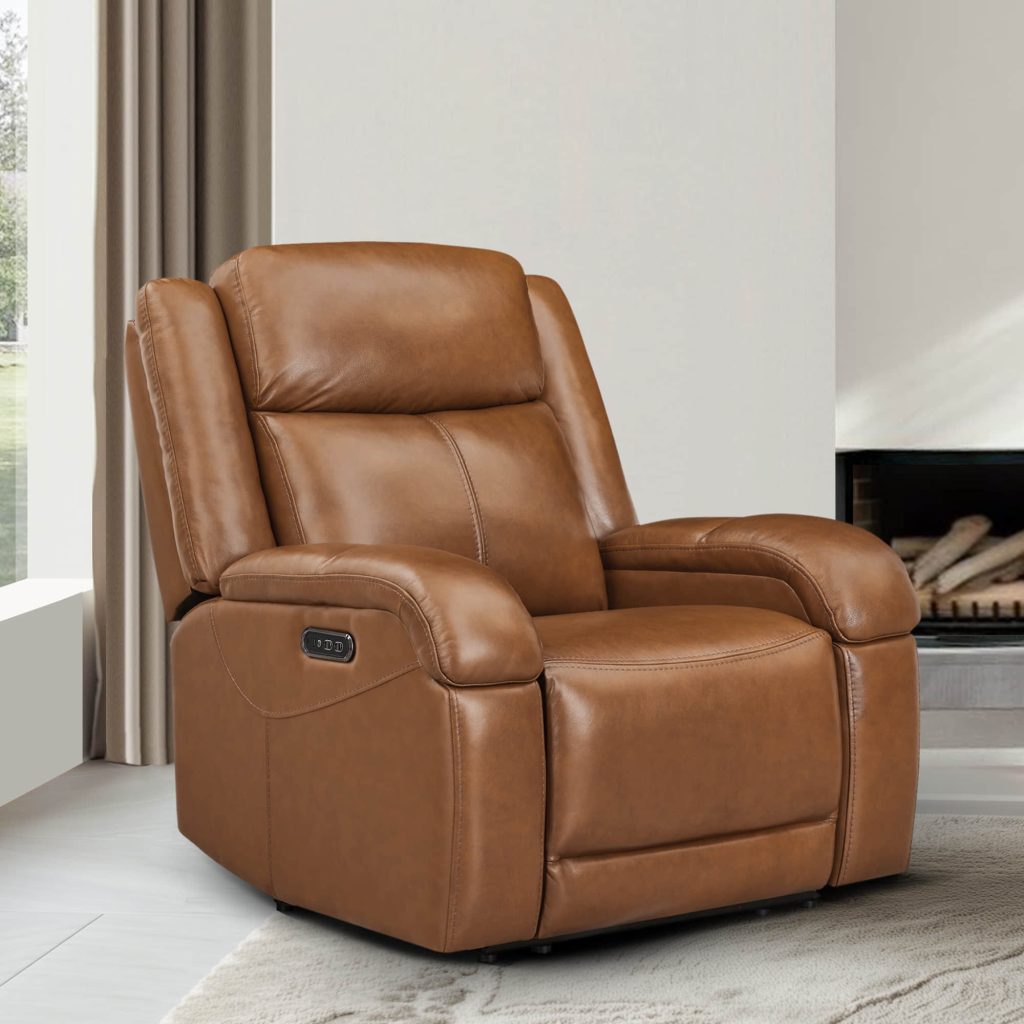
Genuine leather remains a favorite for its warm patina and ease of wiping clean, though it can feel cool in the winter and requires occasional conditioning. Top-grain leather offers the best balance of durability and hand feel, while bonded or split leather sits at a lower price point but wears faster. Bouclé and other textured weaves add visual interest and a modern silhouette but tend to demand more careful cleaning. Consider your family’s daily rituals, the amount of natural light hitting the chair, and any existing color palette in the room before committing.
Weighing Frame and Mechanism Quality
The frame is the skeleton of any recliner and, in a wall hugger, it works overtime because the glide mechanism places additional stress on the base. Kiln-dried hardwood frames resist warping and are often reinforced with corner blocks for extra rigidity. Steel reclining mechanisms with sealed bearings tend to last longer than lightweight alternatives and operate more quietly over the life of the chair.
Cushion construction deserves the same scrutiny. High-density foam cores wrapped in fiber or feather layers deliver a supportive yet plush seat that recovers its shape between uses. Sinuous wire springs or eight-way hand-tied suspension systems provide the flex that keeps a chair comfortable across many years. Companies like CHITA LIVING publish detailed specifications for each model, so take a few minutes to compare foam density, spring type, and warranty length before adding a piece to your cart.
Styling a Room Around a Wall Hugger
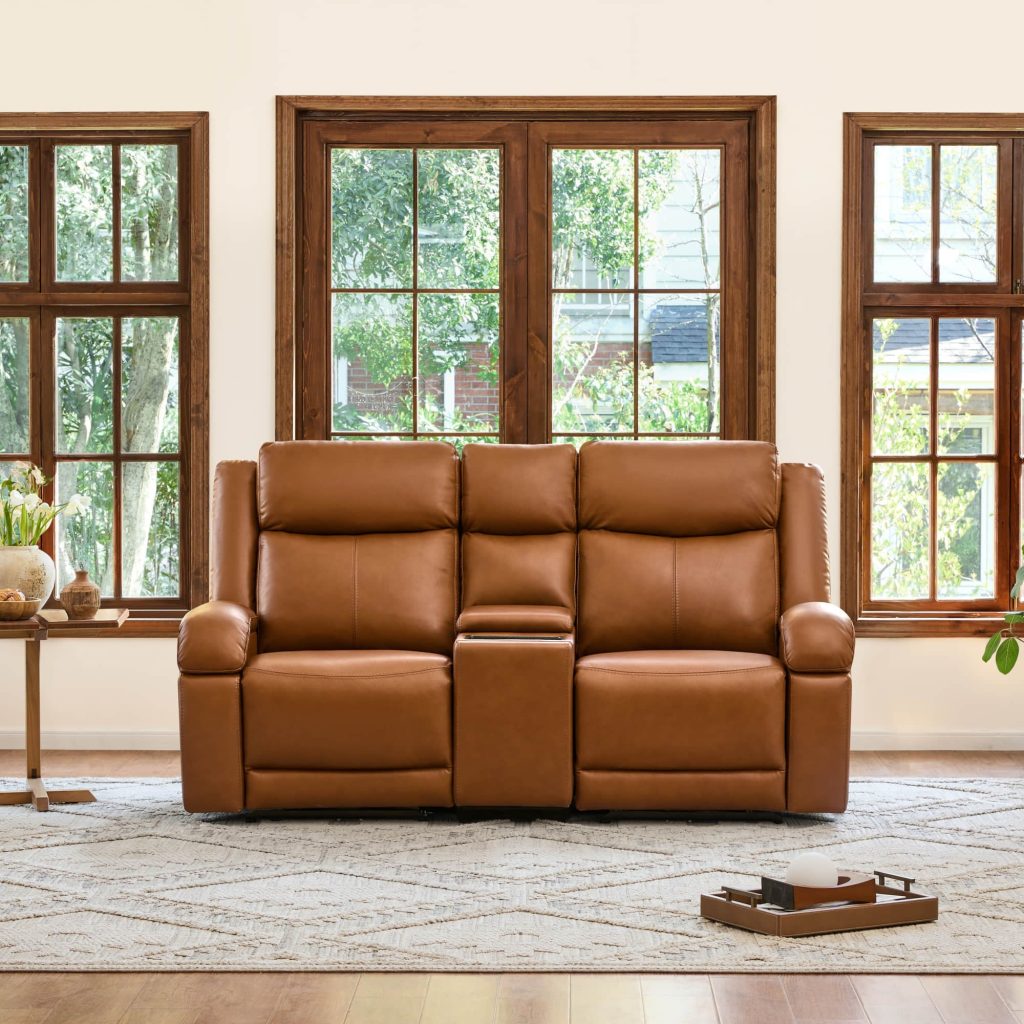
Because a wall hugger sits closer to the wall, it opens up creative arrangement options that traditional recliners cannot match. You can center a chair beneath a large piece of artwork without worrying about the frame hitting the canvas on recline. You can flank a fireplace with two matching recliners, creating a symmetrical focal point that feels intentional rather than crowded. Even in narrow rooms, a wall hugger sofa can anchor one long wall and leave enough space for a slim console or reading nook opposite it.
Layering rugs, throws, and side tables around a wall hugger helps it feel like part of a curated space rather than a solo statement piece. Choose a rug large enough to sit under both the upright and reclined positions of the chair so the visual grounding remains consistent. A slim floor lamp or wall sconce nearby ensures you have task lighting for reading without the need for a bulky floor lamp that competes for space.
Bringing Comfort and Space-Savings Together
Choosing the right recliner for a compact home is less about squeezing furniture into a floor plan and more about aligning function, comfort, and design. Wall hugger recliners solve the fundamental clearance problem that keeps many small-space owners from enjoying reclining furniture, and today’s selection offers refined mechanisms, thoughtful power features, and upholstery options that can suit almost any interior style. By measuring carefully, deciding between manual and power operation, matching fabrics to daily life, and paying attention to frame quality, you can find a chair that delivers years of restful evenings without dominating the room. Treat the buying journey as an investment in daily well-being, and the payoff arrives every time you sink into your seat, glide forward, and feel the difference that a well-designed recliner can bring to a home of any size.








Post Comment