BAV99 vs Other Switching Diodes: How Engineers Choose the Right Component
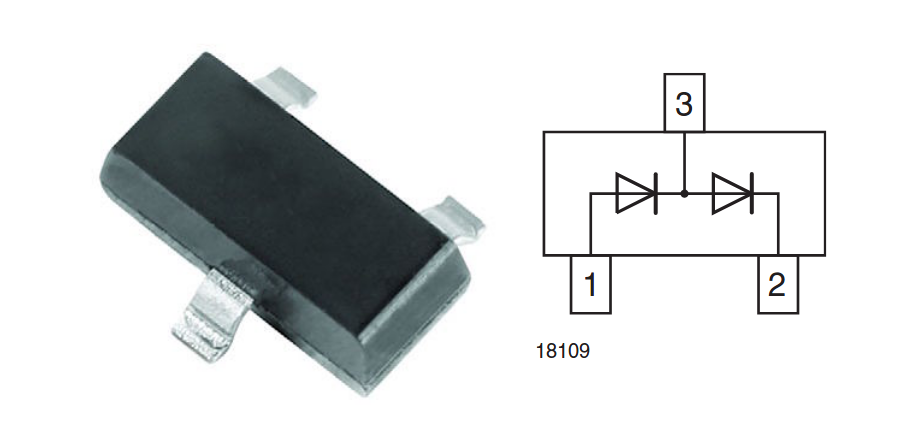
Choosing the right diode is an important decision in electronic design. Although many diode models may appear similar, differences in switching speed, voltage capability, current handling, and package design can significantly affect circuit performance.
For engineers working on communication devices, control systems, and compact electronic products, selecting a switching diode is not simply about finding a component that fits the circuit board. The right choice depends on understanding how the diode behaves in the actual application.
BAV99 and other commonly used diodes represent different approaches to circuit design. Comparing their characteristics can help engineers make better decisions during component selection.
Why Switching Diode Selection Requires More Than Basic Specifications
Switching diodes are widely used in electronic circuits where fast response and reliable signal control are required. They are commonly found in applications such as signal processing, protection circuits, logic systems, and communication equipment.
When selecting a switching diode, engineers usually evaluate several important parameters. Forward voltage affects power loss, reverse voltage determines protection capability, and switching speed influences how effectively the component handles rapidly changing signals.
Package size is also becoming increasingly important as modern devices become smaller. A component that provides suitable electrical performance while occupying minimal PCB space can simplify product design and improve manufacturing efficiency.
This is why two diodes with similar specifications on paper may perform differently depending on the requirements of the circuit.
BAV99 vs Other Switching Diodes: Performance and Application Considerations
The BAV99 is a popular dual switching diode commonly used in compact electronic designs. Its small package size and fast switching characteristics make it suitable for applications where space efficiency and signal performance are important.
A BAV99 SOT-23 diode is often considered when engineers need a small-form-factor switching solution for signal-related applications. The SOT-23 package allows designers to save PCB space while maintaining reliable electrical performance.
Compared with general-purpose diodes, switching diodes like BAV99 are optimized for faster response. This makes them useful in circuits where signal timing and switching behavior are important.
However, BAV99 may not be the ideal choice for every application. Engineers must consider whether the circuit requires high current handling, low forward voltage, or high-frequency switching performance.
For example, a signal processing circuit may benefit from the fast switching characteristics of BAV99, while a power-related application may require a different type of diode designed for higher current capability.
BAV99 vs SS34: Different Diodes for Different Design Goals
One common comparison engineers make is between switching diodes such as BAV99 and Schottky diodes such as SS34.
The main difference is their intended purpose. BAV99 is designed primarily for fast signal switching applications, while SS34 is a Schottky diode commonly used in power applications where low forward voltage and higher current capacity are important.
An SS34 Schottky diode typically provides advantages in applications where reducing voltage loss and improving power efficiency are priorities. Schottky diodes have lower forward voltage compared with many standard silicon diodes, which can help improve efficiency in power circuits.
However, lower forward voltage does not automatically mean better performance in every design. In high-speed signal applications, switching characteristics may be more important than power efficiency.
For this reason, engineers should avoid selecting components based only on a single specification. Understanding the overall circuit requirements is essential.
How Engineers Decide Which Diode Fits Their Application
The best diode choice depends on the role the component plays in the system.
For compact electronic devices, engineers may prioritize package size and switching performance. In signal circuits, fast response and low capacitance may be critical. In power management applications, current capability and energy efficiency may become the primary concerns.
A practical selection process usually begins with understanding the electrical environment of the circuit. Engineers need to consider operating voltage, expected current, switching frequency, thermal conditions, and long-term reliability.
Availability and lifecycle support should also be considered. A component that performs well but becomes difficult to source later can create challenges during manufacturing.
Comparing datasheets and understanding the differences between similar diode families helps engineers avoid unnecessary redesigns and improve product reliability.
Making Better Component Choices Through Technical Comparison
There is no single “best” diode for every electronic project. The right component depends on the balance between performance requirements, design limitations, and application goals.
BAV99 and SS34 demonstrate why component selection requires careful evaluation. One focuses on fast switching and compact signal applications, while the other provides advantages in power-related designs.
For engineers, the most effective approach is not choosing the most advanced component available, but selecting the device that matches the specific needs of the circuit.
As electronic products continue to become smaller and more sophisticated, understanding the differences between semiconductor components will remain an essential part of successful hardware design.








Post Comment