Choosing the Right Anchor Point System for Industrial Fall Protection Needs
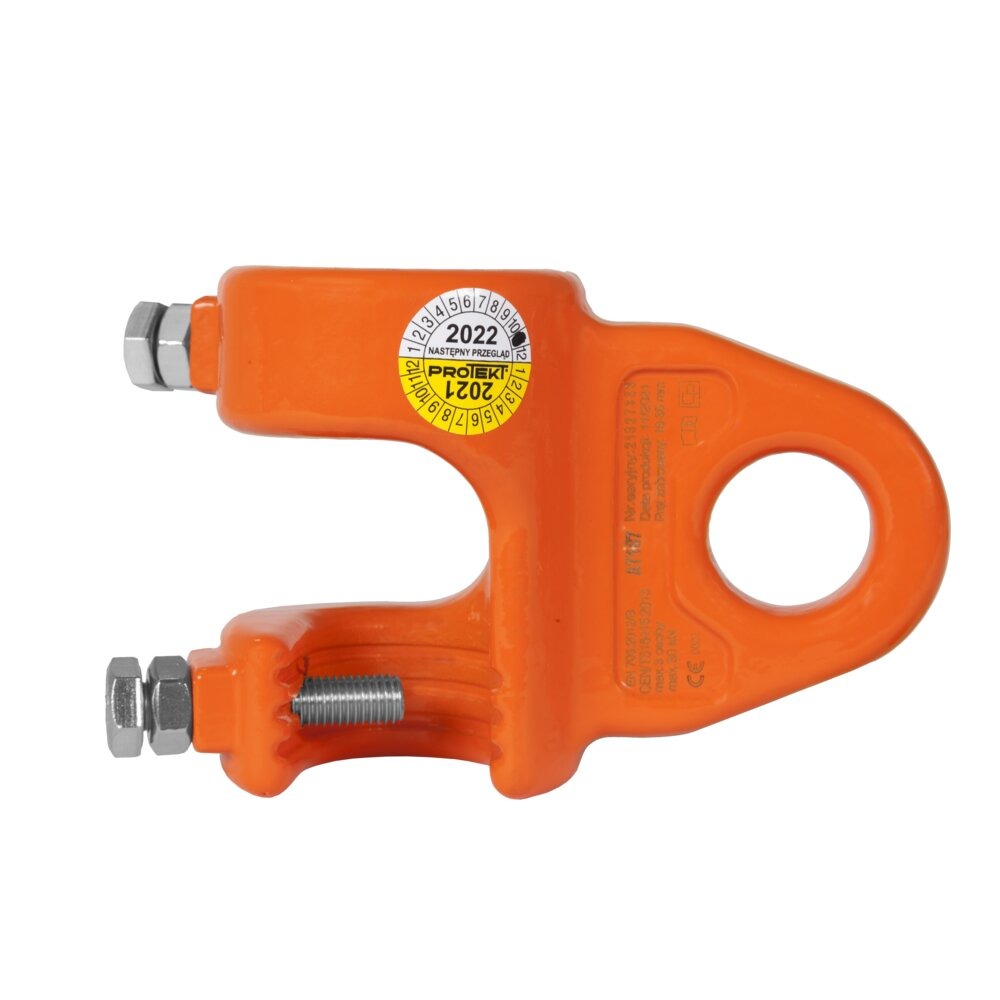
Industrial workplaces often involve tasks performed at height, where worker safety becomes one of the most important priorities. Construction sites, manufacturing facilities, warehouses, maintenance areas, and industrial plants require reliable fall protection solutions to reduce risks and create safer working conditions. One of the most essential components of any fall protection strategy is a properly designed anchor point system.
Selecting the right anchorage points is not simply about choosing a strong attachment location. It requires understanding the working environment, safety requirements, equipment compatibility, and the specific needs of employees who operate at height. A well-chosen anchor system can significantly improve workplace safety while helping businesses maintain compliance with industry standards.
Understanding the Importance of Anchor Point Systems
An anchor point system is a secure connection point designed to attach fall protection equipment such as harnesses, lifelines, lanyards, and other safety devices. These systems provide workers with a reliable method of protection when working in elevated areas where a fall hazard exists.
The primary purpose of an anchor system is to stop or prevent falls by transferring the forces generated during a fall into a secure structural point. Without properly installed anchorage points, even high-quality safety equipment may fail to provide adequate protection.
Industries that frequently require fall protection include:
- Construction and roofing
- Industrial maintenance
- Telecommunications
- Warehousing and logistics
- Energy and utilities
- Manufacturing facilities
- Transportation industries
Each workplace has different requirements, which means choosing the correct anchor solution is essential.
Types of Anchor Point Systems
There are several types of anchor systems available, and each is designed for different applications. Understanding the available options helps businesses select the most suitable solution for their operations.
Permanent Anchor Points
Permanent anchor systems are installed as long-term safety solutions. These are commonly used in buildings, industrial facilities, and structures where workers regularly perform maintenance or inspection tasks at height.
These systems are usually fixed directly into structural components, providing consistent protection over many years. Permanent anchors are ideal for locations such as rooftops, towers, and industrial platforms where repeated access is required.
Temporary Anchor Points
Temporary anchor systems are designed for short-term projects or situations where permanent installation is not practical. They can often be removed and relocated, making them useful for construction projects, temporary maintenance work, or changing job sites.
Temporary solutions offer flexibility while still providing essential fall protection when installed correctly.
Mobile Anchor Systems
Mobile anchor systems allow workers to move around larger work areas while remaining connected to a safety system. These are commonly used in industrial environments where employees need freedom of movement.
Mobile systems can help improve productivity by allowing workers to complete tasks efficiently without compromising safety.
Factors to Consider When Choosing Anchorage Points
Choosing the right anchor point requires careful evaluation of several factors. A suitable system should match the environment, workload, and safety requirements of the workplace.
Structural Strength and Compatibility
The first consideration is whether the structure can support the anchor system. Anchor points must be attached to suitable structural materials capable of handling the forces created during a fall.
Before installation, professionals should assess the structure to ensure the anchor system will perform effectively. Incorrect installation or attachment to weak materials can create serious safety risks.
Type of Work Being Performed
Different jobs require different levels of mobility and protection. For example, a worker performing roof inspections may require a different anchor solution compared to someone working on industrial machinery.
Understanding how workers move, how frequently they access elevated areas, and what equipment they use helps determine the best anchor system.
Number of Users
Another important factor is the number of workers who may connect to the system at the same time. Some anchor points are designed for single-user applications, while others can support multiple users.
Choosing a system with the correct capacity helps prevent overloading and ensures reliable performance.
Environmental Conditions
Industrial environments can expose anchor systems to challenging conditions such as moisture, chemicals, extreme temperatures, and corrosion.
For outdoor or harsh industrial settings, materials and designs should be selected based on durability and resistance to environmental damage. This helps maintain long-term safety and reduces maintenance requirements.
The Role of Professional Installation
Even the highest-quality anchor system will not provide effective protection without proper installation. Anchor points must be installed according to manufacturer instructions and relevant safety guidelines.
Professional installers evaluate structural conditions, determine correct positioning, and test the system to confirm reliability. They also help businesses understand inspection schedules and maintenance requirements.
Regular inspections are essential because anchor systems can experience wear, damage, or changes in structural conditions over time.
Benefits of Using Reliable Anchor Point Systems
Investing in a suitable fall protection system provides many advantages for both workers and organizations.
Improved Worker Safety
The main benefit of anchor systems is reducing the risk of serious injuries caused by falls. A properly designed system gives workers confidence while performing tasks at height.
Increased Workplace Efficiency
When employees have reliable safety equipment, they can work more comfortably and efficiently. Proper fall protection reduces interruptions and allows workers to focus on completing their tasks.
Better Compliance
Many industries have strict safety regulations requiring employers to provide adequate fall protection. Using certified anchor systems helps businesses meet these requirements and demonstrate their commitment to employee safety.
Reduced Long-Term Costs
Preventing workplace accidents can reduce expenses related to injuries, downtime, repairs, and legal issues. A reliable anchor system is an investment in long-term operational safety.
Common Mistakes to Avoid
When selecting and using anchor systems, businesses should avoid several common mistakes.
One major mistake is choosing anchor points based only on price rather than quality and suitability. A cheaper solution may not provide the required level of protection.
Another issue is failing to inspect systems regularly. Even durable anchor points need periodic checks to ensure they remain safe and functional.
Poor training is also a concern. Workers should understand how to connect equipment properly and how to use fall protection systems effectively.
Creating a Complete Fall Protection Strategy
A strong fall protection program involves more than installing anchor points. It includes employee training, equipment inspections, risk assessments, and ongoing safety improvements.
Businesses should evaluate potential hazards and select solutions that address their specific workplace conditions. Combining proper anchor systems with safe working practices creates a safer and more productive environment.
Conclusion
Choosing the right anchor point system is a critical decision for any industrial workplace where employees perform tasks at height. The correct solution depends on factors such as structural requirements, work activities, environmental conditions, and the number of users.
High-quality anchorage points provide essential protection by creating secure connections between workers and fall protection equipment. With professional installation, regular inspections, and proper training, businesses can reduce risks and maintain a safer workplace.
A reliable anchor system is not just a safety requirement—it is a long-term investment in protecting employees, improving efficiency, and supporting responsible industrial operations.







Post Comment