How Asphalt Surfaces Respond to Summer Humidity, Algae Growth, and Urban Heat
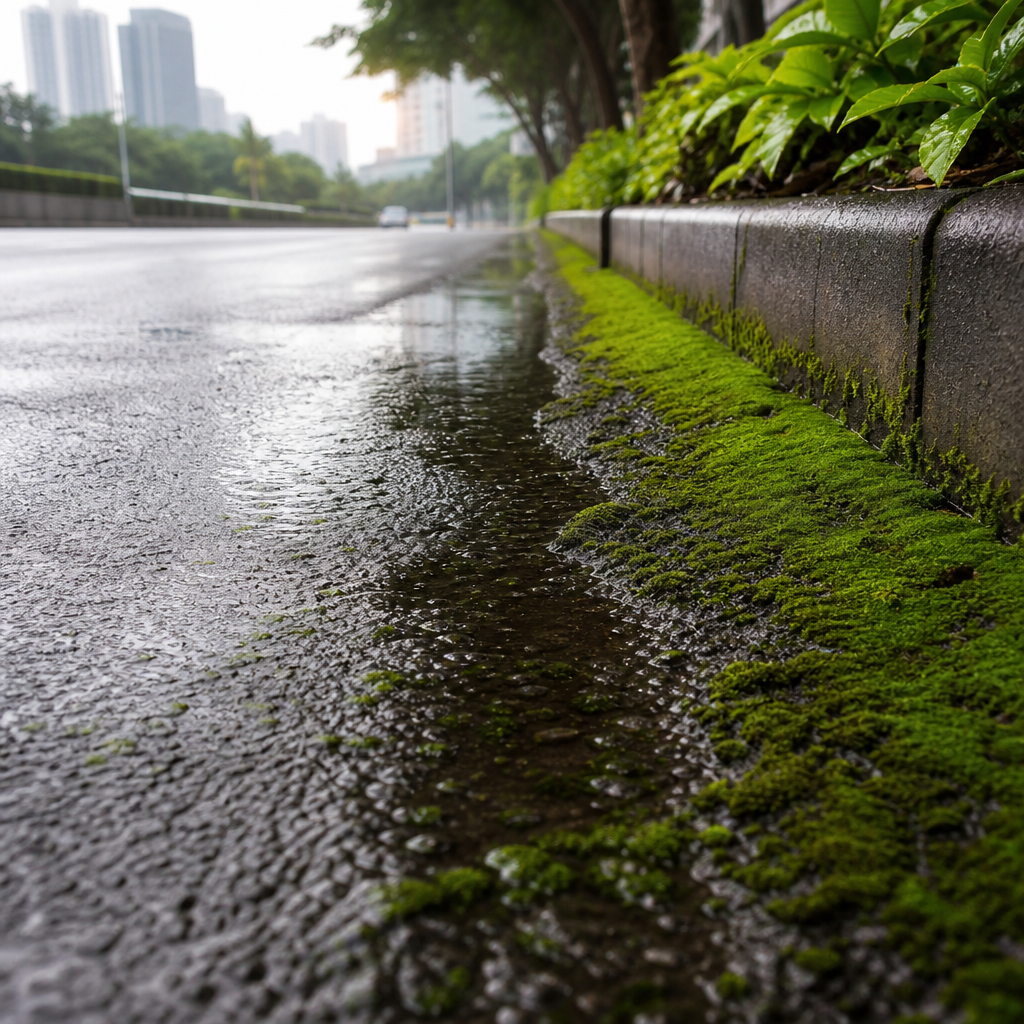
Every summer, property owners across the country begin noticing the same troubling signs on their driveways, parking lots, and roadways: dark streaks, green patches, surface cracking, and a general deterioration that seems to accelerate with the heat. What many people don’t realize is that these issues are deeply interconnected — the result of humidity, biological growth, and thermal stress working together to break down asphalt from the outside in. Understanding how these forces interact is the first step toward protecting your pavement investment before the damage becomes irreversible.
The Hidden Threat of Summer Humidity on Paved Surfaces
Humidity is often dismissed as a comfort issue — something that makes the air feel heavier and the heat more oppressive. But for asphalt surfaces, elevated moisture in the atmosphere creates a persistent environment that accelerates wear in ways that dry heat simply cannot. When humidity remains high over extended periods, moisture seeps into the micro-pores of asphalt, weakening the binder that holds aggregate materials together. Over time, this leads to raveling, surface softening, and premature cracking.
The problem is compounded by temperature cycling. During summer days, asphalt absorbs and retains heat, sometimes reaching surface temperatures well above 120°F. At night, humidity keeps the surface from cooling efficiently, trapping heat and moisture simultaneously. This cycle stresses the pavement repeatedly, causing it to expand and contract in ways that gradually compromise its structural integrity.
Why Moisture Penetration Is More Dangerous Than It Looks
Surface moisture doesn’t just sit on top of asphalt — it finds pathways inward. Even a well-maintained surface has microscopic gaps that allow water vapor to penetrate. Once inside, that moisture can displace the oils in the asphalt binder, causing oxidation to accelerate. The result is a surface that becomes brittle, gray, and prone to cracking far sooner than it should. Sealing those pathways before summer humidity peaks is one of the most effective preventive measures a property owner can take.
Green Algae on Pavement: A Biological Consequence of Humid Conditions
One of the most visible signs of humidity’s impact on outdoor surfaces is the appearance of green algae. While many homeowners associate algae with rooftops or siding, pavement is equally vulnerable — especially in shaded areas where moisture lingers after rain or morning dew. Algae spores are airborne and opportunistic; they settle on any surface that offers consistent moisture and minimal UV exposure. Once established, algae colonies create a biofilm that retains even more moisture, accelerating the very conditions that allowed them to grow in the first place.
If you’ve ever wondered why summer humidity triggers green algae growth on outdoor surfaces, the answer lies in the relationship between moisture availability, warm temperatures, and reduced airflow. Algae thrive in exactly the conditions that summer creates — and asphalt, with its dark, heat-absorbing surface and textured profile, provides an ideal substrate for colonization.
The Structural Risk Algae Poses to Asphalt
Beyond aesthetics, algae growth on asphalt is a structural concern. The root-like structures of algae and associated moss can penetrate surface cracks, widening them over time. The biofilm they produce holds moisture against the pavement surface continuously, preventing it from drying out between rain events. This sustained moisture exposure accelerates oxidation, softens the binder, and creates ideal conditions for freeze-thaw damage once temperatures drop in autumn. Addressing algae growth promptly — and preventing it through proper surface treatments — is essential for long-term pavement health.
Urban Heat and the Case for Smarter Pavement Choices
Cities around the world are grappling with the urban heat island effect, a phenomenon in which densely paved urban areas retain significantly more heat than surrounding rural landscapes. Traditional asphalt, while durable and cost-effective, is a major contributor to this effect due to its dark color and low albedo. As temperatures rise globally, urban planners and engineers are reconsidering how and where pavement is used. Some municipalities have even begun removing asphalt in favor of permeable or green alternatives in certain areas — a trend explored in depth by Popular Mechanics in their coverage of cities unpaving roads.
While full removal isn’t practical for most private property owners, the conversation highlights an important truth: the way we treat and maintain our existing asphalt surfaces matters enormously. Reflective coatings, proper sealing, and timely maintenance can reduce heat absorption, extend pavement life, and lower the environmental footprint of paved surfaces without requiring complete replacement.
Protective Coatings as a Climate-Adaptive Strategy
One of the most practical responses to the combined pressures of humidity, biological growth, and heat is the application of high-quality asphalt coatings. These products create a protective barrier over the existing pavement surface, sealing out moisture, resisting UV degradation, and in some formulations, reflecting solar energy rather than absorbing it. When applied correctly and on a regular maintenance schedule, coatings can double or even triple the effective lifespan of an asphalt surface — representing significant savings compared to full replacement.
Professional Expertise Makes the Difference
Choosing the right coating product is only part of the equation. Application technique, surface preparation, timing, and environmental conditions at the time of application all influence how well a coating performs over time. Surfaces that are not properly cleaned, repaired, and primed before coating is applied will fail prematurely — regardless of product quality. This is why working with experienced professionals who understand both the chemistry of asphalt and the environmental factors at play in your specific region is so important.
The Asphalt Coatings Company brings specialized knowledge and proven techniques to every project, ensuring that surfaces are properly prepared and treated with products suited to the local climate and usage demands. Their approach addresses not just the visible symptoms of pavement wear, but the underlying conditions — moisture infiltration, oxidation, and surface vulnerability — that allow deterioration to take hold in the first place.
What to Expect from a Professional Coating Assessment
A thorough professional assessment will evaluate the current condition of your pavement, identify areas of existing damage, assess drainage patterns, and recommend a treatment plan tailored to your surface’s specific needs. This might include crack filling, edge repair, cleaning to remove algae or oil stains, and the selection of an appropriate coating formulation. The goal is always to maximize the return on your maintenance investment while minimizing future disruption.
Conclusion: Proactive Maintenance Pays Off
Summer humidity, green algae, and urban heat are not abstract concerns — they are active forces working against the longevity of your asphalt surfaces every single season. The good news is that these threats are manageable with the right knowledge and the right professional support. By understanding how moisture, biology, and temperature interact with pavement, property owners can make informed decisions about maintenance timing, product selection, and long-term care strategies.
Waiting until cracks become potholes or algae becomes structural damage is always more expensive than acting early. A proactive approach to asphalt maintenance — anchored in quality coatings and expert application — is the most reliable way to protect your pavement through every summer season and beyond.







Post Comment