From Solitaires to Halos: How Engagement Ring Settings Define Your Love Story
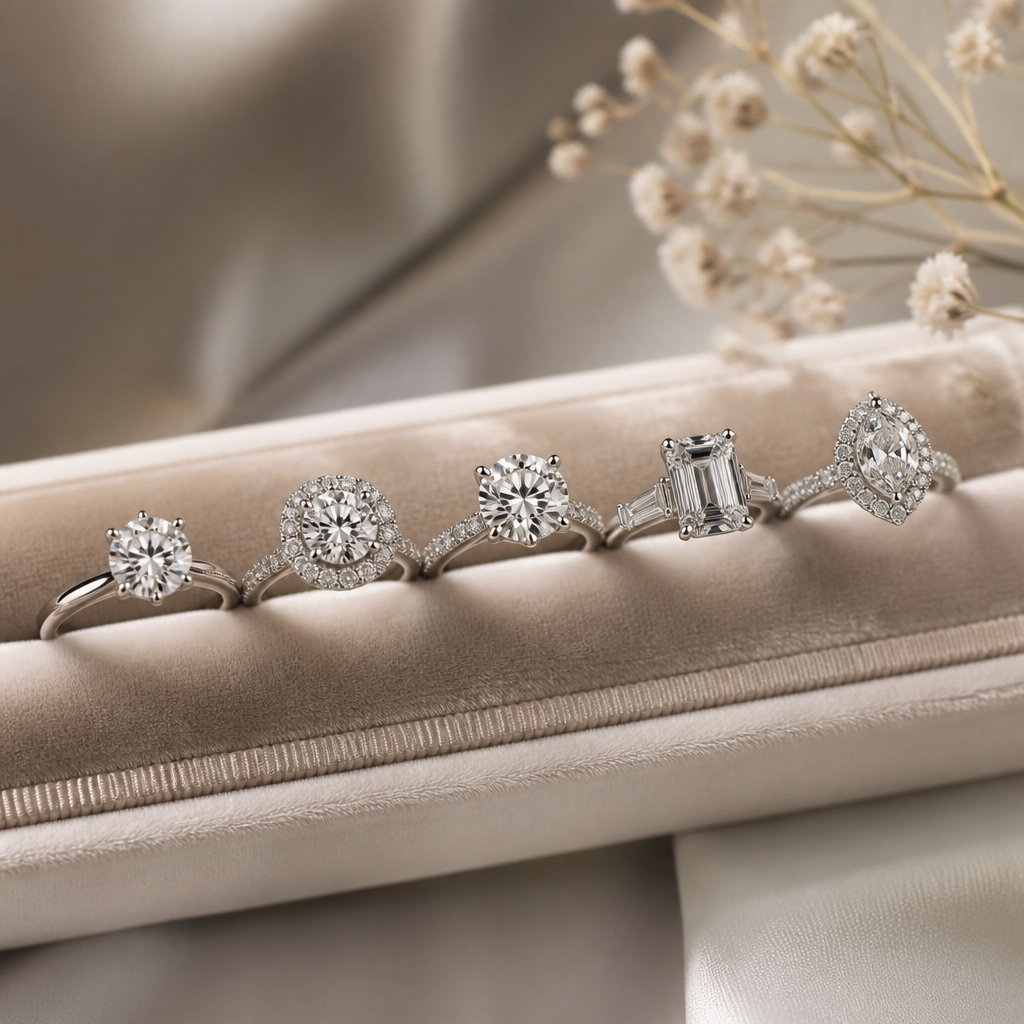
When it comes to choosing an engagement ring, most people instinctively focus on the center stone — its cut, its carat weight, its brilliance. But seasoned jewelers and couples who have gone through the process will tell you the same thing: the setting is where the real magic happens. The way a diamond or gemstone is held, framed, and presented to the world shapes not only how it looks but what it communicates about the person wearing it. A ring setting is, in many ways, a silent declaration of personality and taste.
Why the Setting Matters More Than You Think
The setting of an engagement ring does far more than hold a stone in place. It determines how light interacts with the gem, how secure the stone is over decades of daily wear, and how the ring harmonizes with other jewelry on the hand. A prong setting, for instance, allows maximum light to enter a diamond from all angles, amplifying its fire and brilliance. A bezel setting, by contrast, wraps the stone in a sleek metal border that offers superior protection — ideal for active lifestyles — while lending a modern, minimalist aesthetic.
Beyond function, settings carry cultural and emotional weight. A vintage-inspired milgrain setting evokes romance and nostalgia. A tension setting, where the stone appears to float between two ends of the band, signals a bold, contemporary sensibility. Understanding these nuances before walking into a jewelry store — or browsing online — can save couples from costly regrets and lead them toward a ring that genuinely resonates.
The Most Popular Engagement Ring Settings Explained
Prong Settings: Timeless and Brilliant
The prong setting is arguably the most iconic in fine jewelry. Typically featuring four or six metal claws that grip the stone from the sides, this style elevates the diamond above the band, allowing it to catch light from virtually every direction. The classic six-prong round solitaire — often called the Tiffany-style setting — has been a benchmark of engagement ring design for well over a century. Four-prong settings offer a slightly more geometric look and expose more of the stone’s surface, while six prongs provide additional security for larger stones.
Halo Settings: Amplified Glamour
For those who want maximum visual impact, the halo setting delivers. A ring of smaller accent diamonds or gemstones surrounds the center stone, creating the illusion of a larger, more luminous gem. Double halo settings take this concept further, adding a second concentric ring of stones. Halo settings pair beautifully with cushion-cut, oval, and round brilliant center stones, and they tend to appeal to those who appreciate vintage Hollywood glamour or simply want their ring to command attention in any room.
Pavé and Channel Settings: Texture and Sparkle Along the Band
Pavé settings feature tiny diamonds set closely together along the band, held in place by small beads of metal. The result is a surface that appears almost entirely covered in diamonds, creating a river of continuous sparkle. Channel settings, on the other hand, embed stones between two parallel metal walls, offering a smooth, snag-free surface that works especially well for those with active hands. Both styles are frequently used as accent elements alongside a prominent center stone rather than as standalone settings.
Matching the Setting to the Stone and the Wearer
Not every setting suits every stone, and not every style suits every personality. Elongated stones like marquise, pear, and oval cuts tend to look stunning in east-west bezel settings or delicate prong configurations that emphasize their unique silhouette. Princess-cut and emerald-cut diamonds, with their sharp corners, often benefit from protective corner prongs or bezel settings that guard against chipping. Understanding the relationship between stone shape and setting style is fundamental to making a choice that will stand the test of time — both aesthetically and structurally.
Lifestyle considerations are equally important. A nurse, a chef, or an avid rock climber may find that a high-prong solitaire catches on gloves, equipment, or clothing throughout the day. For these individuals, a low-profile bezel or flush setting offers the elegance of fine jewelry without the practical inconvenience. Conversely, someone who works in a creative or fashion-forward environment might relish the drama of a tall, architecturally striking setting that becomes a conversation piece.
The Role of Metal Choice in Setting Design
The metal used in a setting profoundly affects both its appearance and durability. Platinum, known for its density and natural white luster, is widely regarded as the premium choice for engagement ring settings — it holds prongs securely and does not require rhodium plating to maintain its color. White gold offers a similar aesthetic at a lower price point but may need periodic replating. Yellow gold and rose gold, meanwhile, are experiencing a significant resurgence, particularly among younger buyers who appreciate their warmth and vintage character. As noted by industry analysts examining the growing weight and significance of gold in luxury jewelry, consumer preferences are shifting toward richer, warmer tones that feel both timeless and distinctly personal.
Incorporating Colored Gemstones and Mixed Materials
Engagement rings are no longer exclusively the domain of diamonds. Sapphires, rubies, emeralds, and morganites have all found their way into contemporary engagement ring settings, often paired with diamond accents for contrast and brilliance. Jade, in particular, carries deep cultural significance in many traditions, and its use in fine jewelry continues to evolve in exciting directions. Those interested in exploring the intersection of gemstone artistry and wearable elegance might find inspiration in beautifully curated jade necklaces and jadeite pendants that demonstrate how colored stones can anchor a piece with meaning and visual depth.
Leon Diamond: Expert Guidance for Every Setting Style
Navigating the world of engagement ring settings requires both knowledge and access to quality craftsmanship. Leon Diamond has built a reputation for helping couples find rings that reflect their unique stories, offering an extensive range of settings from classic solitaires to intricate vintage-inspired designs. Their comprehensive resource on Engagement Ring Settings walks buyers through every major style category, explaining the structural and aesthetic differences in plain, accessible language. Whether you are drawn to the understated elegance of a bezel or the dazzling complexity of a double halo, their team provides the expertise to match vision with reality.
Making a Decision That Lasts a Lifetime
An engagement ring is one of the few pieces of jewelry a person wears every single day, often for decades. That reality places enormous importance on the decision-making process. Beyond trends and aesthetics, the best engagement ring setting is one that aligns with the wearer’s daily life, personal values, and long-term vision of beauty. It should feel as natural on the finger after twenty years as it did on the day it was first slipped on.
Take the time to explore different settings in person when possible. Notice how different metals catch light under various conditions. Consider how the height of a setting affects comfort during everyday tasks. And above all, trust that the right setting — like the right relationship — will feel unmistakably, undeniably right.






Post Comment