A Practical Buyer’s Guide to BMjade Jade Necklaces and Jadeite Pendants
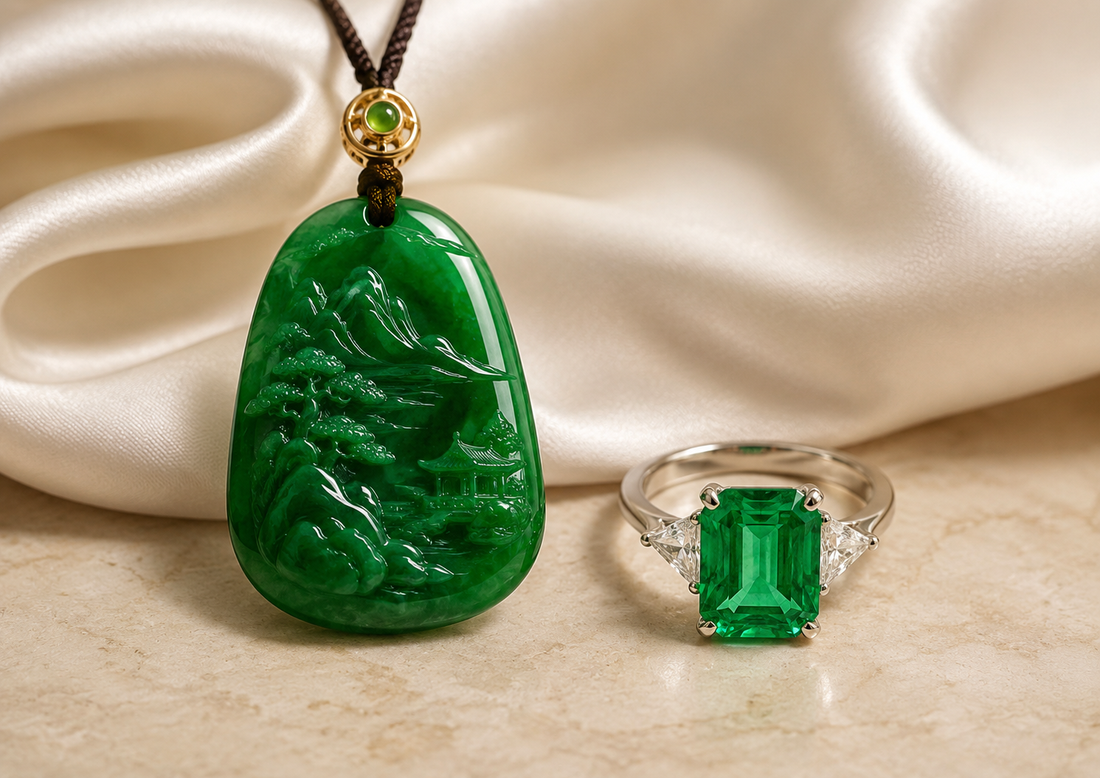
Buying your first jade necklace should feel less like solving a mystery and more like choosing a piece that knows where it belongs in your life. A jadeite pendant may look small on a product page, but once it is worn close to the heart, it can carry far more than color and polish. It can represent protection, family blessing, personal strength, a new beginning, or simply the quiet pleasure of wearing something natural and lasting.
That is why jade necklace buying deserves a practical guide. Online, many pieces look beautiful at first glance. The real question is: which one is worth wearing, gifting, and trusting?
This guide walks through the details that matter before choosing a BMjade jade necklace or jadeite pendant, from material and certification to pendant meaning, color, craftsmanship, size, and daily wear.
Start With the Purpose of the Necklace
Before comparing colors or pendant shapes, begin with one simple question: why are you buying it?
A jade necklace chosen for daily wear should be comfortable, versatile, and easy to style. A necklace chosen as a gift should feel meaningful, well presented, and supported by clear information. A pendant chosen for symbolism should match the wearer’s intention, whether that is peace, protection, prosperity, compassion, or growth.
This first step keeps the buying process focused. Without it, it is easy to be distracted by the brightest photo or the most complicated carving. A practical buyer does not only ask, “Is this beautiful?” They ask, “Will this piece make sense for the person who wears it?”
For first-time jade buyers, a necklace is often one of the easiest entry points. It does not require the precise sizing of a bangle. It is easier to remove during exercise, sleep, or travel. It can be worn with different chain lengths and layered with other jewelry. Most importantly, it carries meaning without feeling too formal.
A jade necklace can be personal without being difficult.
Know What “Jade” Means Before You Buy
The word “jade” is beautiful, but it is also broad. In jewelry, it usually refers to jadeite or nephrite. Both are genuine jade materials, but they are not identical. Jadeite is especially valued in fine jade jewelry because of its color range, translucency, texture, and connection with high-quality Burmese jadeite traditions.
This distinction matters because many online listings use loose descriptions. A product may say “jade necklace” without clearly explaining whether it is jadeite, nephrite, treated material, or another green stone altogether.
BMjade focuses on natural Type A jadeite. For buyers, this is an important detail. Type A jadeite means the stone has not been chemically treated by acid bleaching, polymer filling, or artificial dyeing. It may be cut, carved, polished, and finished, but its natural structure and color are not artificially altered in the way treated jadeite is.
This matters for three reasons.
First, untreated jadeite has stronger authenticity. Second, it holds more meaningful long-term value than treated material. Third, when jade is worn as a symbolic piece, the natural state of the stone becomes part of the emotional trust.
A jade pendant should not only look meaningful. It should be made from material that supports that meaning.
Use Certification as Your Safety Net
Online jade shopping removes the most important thing from the buyer’s hands: the ability to inspect the piece in person. You cannot turn the pendant under sunlight, feel its temperature, examine the polish closely, or compare the texture with other stones.
Certification helps close that gap.
A reliable certificate gives buyers professional confirmation of the material and treatment status. For jadeite jewelry, this is especially important because treated jade can sometimes look attractive in photos. Dyed or filled material may appear vivid, clean, and glossy online, but it does not carry the same value or integrity as natural untreated jadeite.
When reviewing a jade necklace, do not treat the certificate as a decorative extra. Read it as part of the product. Check whether the certificate identifies the material, includes report information, and matches the pendant being sold.
BMjade provides NGTC certification for its jade jewelry, giving buyers a clearer foundation for trust. For a first purchase, that clarity can make a major difference. Instead of relying only on product photos or seller language, the buyer has a formal reference.
A practical jade purchase should leave fewer questions, not more.
Choose the Pendant Meaning Before the Design
A jade pendant is not only a shape. In many cases, it is a symbol.
This is where buying jade becomes more personal than buying ordinary jewelry. The pendant design can add an extra layer of meaning to the stone itself. A buyer who understands the symbolism can choose with more intention.
A Buddha pendant often suggests joy, peace, tolerance, and a relaxed heart. It can be suitable for someone who values calmness and emotional ease.
A Guan Yin pendant is often connected with compassion, protection, and gentle strength. It may be chosen for someone who wants a peaceful guardian symbol.
A Pixiu pendant is associated with wealth, fortune, and protective energy. It is often chosen by people who appreciate prosperity symbolism.
A Ping An Kou pendant is simple but powerful. Its round form represents safety, completeness, harmony, and smooth life. It is one of the most wearable choices for daily use and gifting.
A dragon pendant carries strength, ambition, confidence, and good fortune. It can suit someone who prefers bolder symbolism.
A leaf pendant suggests growth, renewal, hope, and new beginnings. It can be a thoughtful gift for graduations, new jobs, moves, or personal transitions.
A smooth jade cabochon or simple polished pendant is ideal for buyers who prefer minimalism. It may not have a carved figure, but it still carries jade’s natural symbolism in a clean, modern way.
The best pendant is not always the most detailed one. It is the one whose meaning feels right for the wearer.
Pick a Color That Fits Real Life
Jade color can be emotional. It can also be misleading if you choose only from a perfect product photo. A practical buyer thinks about how the color will look with daily clothing, skin tone, metal preference, and personal style.
Green jadeite is the classic choice. It feels natural, recognizable, balanced, and traditional. For buyers who want a necklace that immediately reads as jade, green is often the safest direction.
Icy or white jadeite feels clean, modern, and understated. It works well with minimalist outfits, silver jewelry, white gold, light neutrals, and people who prefer quiet elegance over strong color.
Lavender jadeite feels soft, artistic, and distinctive. It can be a beautiful choice for someone who wants something more personal than classic green but still gentle enough for daily wear.
Yellow or honey jadeite feels warm, earthy, and slightly vintage. It pairs well with gold jewelry, beige clothing, brown tones, linen, and natural textures.
Mixed-color jadeite has the most individual feeling. Natural color transitions can make a pendant look one of a kind. This is ideal for someone who appreciates organic variation rather than perfect uniformity.
The right color should not only impress you when the screen is bright. It should still feel wearable on an ordinary morning.
Look Beyond Color: Texture, Light, and Polish
Color may invite you in, but texture and polish decide whether the piece feels refined.
Fine-textured jadeite often looks smoother and more gentle. It may have a soft internal glow rather than a flat surface appearance. Coarser material can still be attractive, especially in casual or earthy designs, but the price should reflect the quality.
Transparency also changes the mood of a pendant. A more translucent piece can feel icy, light, and elegant. A semi-translucent pendant often feels softer and more wearable. More opaque jadeite can feel grounded and substantial.
Polish is another important sign. Good jade polish should not look like harsh plastic shine. It should feel smooth, calm, and lustrous. The pendant should be pleasant to touch and comfortable against clothing or skin.
Natural jadeite may show clouds, cotton-like areas, color roots, subtle lines, or small variations. These details are not automatically bad. They are part of natural stone. What matters is whether they are stable, visually acceptable, and clearly represented by the seller.
A practical buyer learns to appreciate natural character while still avoiding serious cracks, chips, or unclear flaws.
Think About Pendant Size and How It Will Be Worn
A pendant can be beautiful and still be the wrong size.
Small jade pendants are excellent for daily wear. They feel light, subtle, and easy to pair with casual outfits. They are also a good choice for younger buyers, minimalists, and people buying jade for the first time.
Medium pendants offer a balanced presence. They are visible enough to feel meaningful but not so large that they dominate the outfit. For most buyers, this is the most practical range.
Large pendants feel more symbolic and traditional. They can be impressive, but they require the right wearer. Someone who loves statement jewelry may enjoy a larger pendant. Someone who prefers delicate accessories may not.
Chain length also matters. A shorter chain can make the pendant feel delicate and close to the collarbone. A medium chain is usually the most versatile. A longer chain works better for larger pendants, layered outfits, or relaxed styling.
For a first jade necklace, avoid choosing purely for drama. The best pendant is the one that will actually be worn.
Check the Craftsmanship From Every Angle
A jade pendant is shaped by both nature and human hands. The stone provides color and structure. Craftsmanship decides how those qualities are expressed.
Good carving should respect the jade. A design should work with the stone’s color zones, thickness, texture, and natural features. A pendant should not look as if a pattern was forced onto unsuitable material.
The back of the pendant also matters. Many buyers only study the front, but the back tells you how carefully the piece was finished. It should look smooth, balanced, and comfortable. Edges should not be sharp. Holes, bails, settings, and chain connections should feel secure.
Polish should be consistent. A well-finished pendant looks complete, not rushed. Even a simple design should show care.
BMjade’s Yunnan carving and polishing background matters here because jade craftsmanship is not only about decoration. It is about turning natural jadeite into something wearable, meaningful, and comfortable.
A pendant that is finished well from every angle feels better in daily life.
Buy for the Wearer, Not for the Display Photo
A common mistake is choosing the piece that looks most impressive online. But jewelry is not worn on a product page. It is worn on a person.
Think about the wearer’s lifestyle. Do they dress casually or formally? Do they prefer small jewelry or statement pieces? Do they wear gold or silver? Do they like cultural symbols, or would they prefer a simple shape? Will they wear the necklace every day, or only for special occasions?
For a practical gift, choose something versatile. A medium-size pendant, classic green or icy jadeite, a clear symbolic meaning, and a comfortable chain length usually work better than an oversized or highly unusual piece.
For personal buying, be honest about your habits. If you rarely wear large jewelry, do not choose a heavy pendant just because it looks valuable. If you love meaningful symbols, a simple plain pendant may feel too quiet. If you prefer modern styling, choose a design that works with your wardrobe.
The right jade necklace should feel natural in the life it enters.
Why Jade Necklaces Make Thoughtful Gifts
A jade necklace works well as a gift because it carries meaning without requiring perfect size guessing. Compared with bangles, necklaces are easier to choose for someone else. They also feel personal because the pendant sits close to the heart.
Jade can be gifted for many occasions: birthdays, anniversaries, Mother’s Day, graduations, weddings, new jobs, new homes, and personal milestones. It can also be chosen as a quiet blessing during a difficult period or a fresh start.
The meaning can be simple. Peace. Protection. Good fortune. Growth. Strength. Love. Health.
When giving jade, include the certificate and a short note about the pendant’s meaning. This turns the gift from a beautiful object into a thoughtful gesture. The recipient understands not only what the necklace is, but why it was chosen.
A good jade gift should feel intentional before it is even worn.
What to Compare Before Buying Online
Before choosing a jade necklace online, compare the details carefully.
Look at the material description. It should clearly explain whether the piece is jadeite and whether it is natural untreated Type A jadeite.
Look at the certificate. It should be relevant to the piece and help confirm material and treatment status.
Look at the photos. Are they clear? Do they show the pendant from more than one angle? Is the size easy to understand? Does the color look realistic?
Look at the pendant meaning. A serious jade necklace listing should help buyers understand the symbolism, not just show a name.
Look at wearability. Consider pendant size, chain length, weight, polish, and whether the piece suits daily styling.
Look at the seller’s transparency. A good seller should explain natural variation, provide support, and make the purchase feel clear rather than rushed.
A practical buyer compares trust as carefully as beauty.
Mistakes First-Time Buyers Should Avoid
Do not buy only because the color looks bright. Strong color can be beautiful, but it is not the only sign of quality.
Do not ignore treatment status. A jade pendant should be clearly described, especially if it is being sold as natural jadeite.
Do not choose a pendant that is too large for the wearer’s lifestyle. A piece that feels dramatic in a photo may feel inconvenient in daily use.
Do not overlook polish and finishing. Sharp edges, rough backs, or weak settings can make a pendant less enjoyable to wear.
Do not skip certification. For meaningful jade jewelry, verification is part of the buying experience.
Do not choose symbolism randomly. A pendant’s meaning should match the person, occasion, or intention behind the purchase.
These mistakes are easy to avoid when the buying process is slow and informed.
A Practical Checklist Before You Choose
Before buying, ask yourself:
Is the piece clearly identified as jadeite?
Is it natural untreated Type A jadeite?
Does it come with a reliable certificate?
Does the pendant meaning match the wearer or occasion?
Is the color wearable with real outfits?
Is the texture and transparency appropriate for the price?
Does the polish look smooth and refined?
Is the pendant size practical?
Is the chain length suitable?
Are photos, dimensions, and product details clear?
Does the seller explain natural variation?
Would this piece still feel meaningful a year from now?
If the answer is yes to most of these questions, you are not simply buying a pendant. You are choosing with confidence.
A Good Jade Necklace Should Be Clear, Wearable, and Meaningful
The best jade necklace is not always the brightest, largest, or most expensive one. It is the piece that combines trustworthy material, clear certification, thoughtful symbolism, careful craftsmanship, and real wearability.
A jade pendant should feel good to understand, good to wear, and good to keep. It should not leave the buyer wondering whether the material is real, whether the meaning fits, or whether the piece will suit daily life.
BMjade’s value for buyers comes from making the process clearer: natural untreated Type A jadeite, NGTC certification, Yunnan craftsmanship, meaningful pendant designs, and product information that helps customers choose with less uncertainty.
For anyone looking for jade jewelry that can become a personal piece, a thoughtful gift, or a first step into meaningful jade collecting, BMjade jadeite pendants offer a practical and trustworthy place to begin.




Post Comment