The Elegance of Indian Marble Mandirs Continues to Inspire Modern Spiritual Home Design
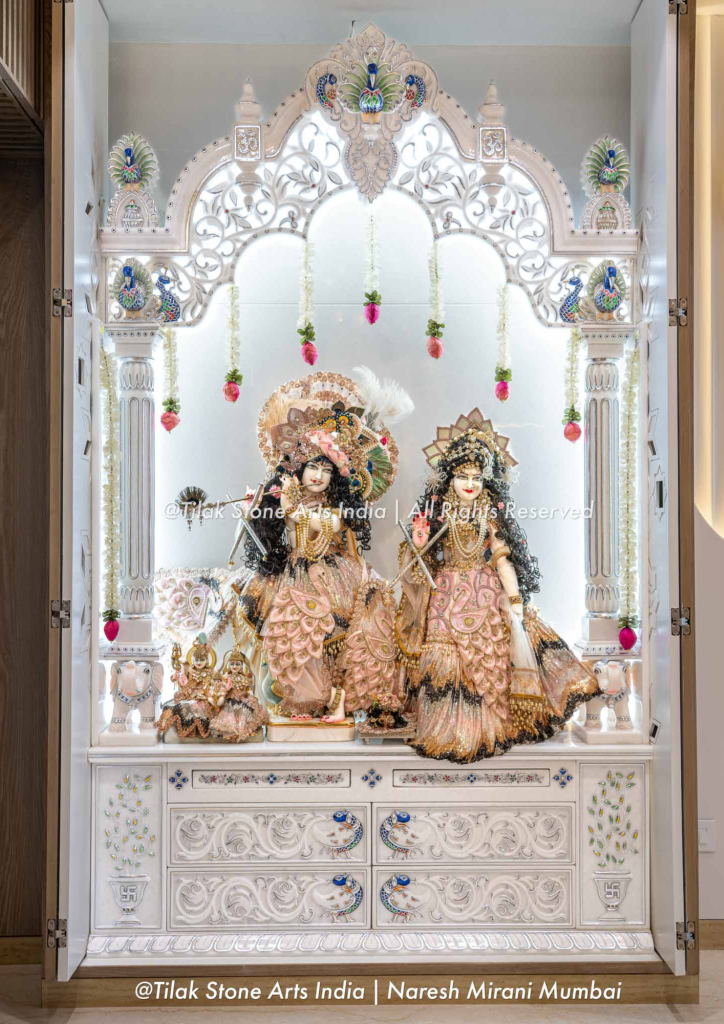
Indian interiors have moved beyond purely traditional or fully contemporary aesthetics, settling into a quieter middle ground where both can coexist with ease. Sacred corners sit right at the centre of this shift. Marble mandirs hold an enduring appeal here, offering devotion, beauty, and quiet permanence in ways that feel natural within today’s living spaces.
A skilled marble temple manufacturer brings these aspirations to life through finely crafted mandirs that honour tradition while complementing the refined sensibilities of modern interior design. Their work blends sacred geometry, intricate stonework, and structural integrity, offering homeowners prayer spaces that feel spiritually rooted and visually composed within their personal sanctuaries every day.
Where Heritage Quietly Settles Into Today’s Homes
Cultural Threads Woven Into Modern Layouts: Contemporary homes rarely follow a single design language anymore. Open layouts and muted palettes often share visual space with carved panels and patterned textiles drawn from regional craft. A marble mandir, often guided by Vastu Shastra principles, fits naturally into this mix, anchoring the home with heritage value while keeping the visual rhythm intact and beautifully balanced throughout.
Quiet Sophistication In Prayer Corners: Homeowners today want their prayer spaces to feel composed rather than ornamental in a heavy way. Soft white stone, gentle inlays, and clean carved silhouettes help mandirs blend with their surroundings instead of dominating them. This quieter approach allows devotion to feel personal, intimate, and visually settled within the everyday living areas of the home.
The Hands That Shape Stone Into Sacred Form
Artistry Passed Down Through Generations: Sacred carving in India draws from centuries of temple architecture, where artisans treated stone as a living medium. Today’s marble carving techniques still rely heavily on this inherited knowledge, combining hand-chiselled detailing with measured precision. The result feels personal, refined, and deeply tied to the cultural roots that gave the craft its lasting identity through the years.
Design Vision That Brings Faith Into Form: Sacred design works best when devotion and proportion sit comfortably together within a single piece. Skilled designers focus on architectural harmony, balancing pillars, domes, and base panels so each element feels deliberate rather than decorative. This thoughtful planning gives the finished mandir a settled presence, where every line seems to belong exactly where it sits.
Material Choices That Reflect Devotion
Vietnam White Marble And Its Refined Variants: Vietnam White Marble has earned its place as a preferred choice for sacred installations across Indian homes today. Known for its bright, even tone and fine crystalline structure, it carries variants such as Swiss White, Super Fine White Vietnam, and Vietnam Marble, each offering a slightly different character suited to specific design styles and personal aesthetic preferences.
Stones That Hold Their Beauty Across Years: Marble used for mandirs should offer more than just visual appeal at the time of installation. It needs to retain its warmth, glow, and surface quality for many years to come. As a natural stone, Vietnam White Marble varieties tend to age gracefully, holding their tone with minimal maintenance and reflecting natural light in ways that suit prayer spaces.
Subtle Touches That Define A Sacred Corner
Light, Texture, And Spatial Intent: Small choices around a mandir shape how the corner feels during daily use. Recessed lighting brings out the depth of carvings, while textured back walls give the marble something visual to play against. The intent behind these touches matters far more than their scale, since restraint usually creates a more devotional atmosphere than abundance of detail.
Atmosphere Shaped By Small Decisions: Atmosphere in a prayer space comes together slowly, often through choices that feel almost incidental at first. The colour of a back wall, the placement of a single lamp, even the slight angle of a carved canopy can quietly shift how the corner feels. These quiet decisions tend to define the long-term presence of a marble mandir more than larger features.
Features That Set Quality Mandirs Apart: Buyers often find that certain qualities reliably separate well-crafted mandirs from ordinary ones in the market. These details may seem minor at first glance, yet they shape how the temple performs over years of daily worship and quietly influence how the corner feels every time the family gathers there for prayer.
- Hand-carved detailing that highlights the natural depth and texture of the stone.
- A well-balanced base that supports both single idol and multi-tiered placements.
- Concealed lighting recesses designed for soft, focused illumination during prayer rituals.
- Smooth polished surfaces that retain their finish across many years of regular use.
- Customisable canopy and pillar styles allowing design flexibility for diverse interior settings.
Vastu Wisdom That Quietly Shapes Layouts
Direction And Placement That Support Daily Rituals: Vastu principles continue to guide where mandirs sit within Indian homes today. The north-east corner remains a widely respected choice, since it allows the morning sun to enter the prayer space directly. Homeowners often find that following these traditional placement cues makes their daily worship feel calmer and more naturally aligned with household rhythm.
Proportion And Orientation That Feel Right: Idols, lamps, and offering platforms each have their preferred orientations within a marble mandir layout. A well-designed temple respects these subtle requirements without making the corner feel rigid or overly prescriptive in daily use. Buyers seeking depth in their sacred space often appreciate how these unwritten rules carry generations of accumulated wisdom into their homes.
Sound, Air, And Subtle Energies: Temple corners benefit from more than just orientation. The way sound reflects off marble surfaces, the air flow around lamps, and the natural energy of a quiet niche all contribute to the experience of prayer. Many homeowners notice these subtleties only after living with their mandir for some time, when the corner begins to feel genuinely settled.
Bringing Lasting Devotion Into View
Sacred spaces shape the emotional centre of a home, and marble mandirs continue to carry that responsibility with quiet grace. A thoughtfully chosen temple, designed by experts who understand both material and aesthetic depth, becomes a lasting presence rather than a fleeting purchase. Speak with experienced craftsmen today and bring a sacred space home that feels rooted, refined, and worthy of generations.








Post Comment