How Can Driver Distraction Increase the Risk of Rideshare Accidents
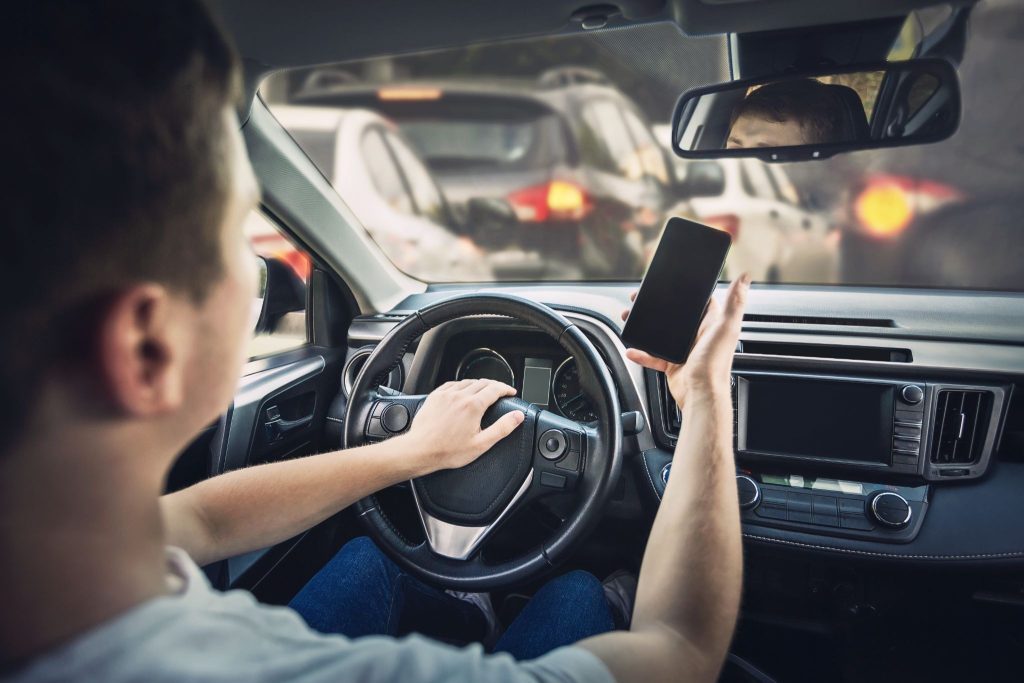
Rideshare trips begin with convenience, but safe travel depends on full attention behind the wheel. Drivers constantly switch between navigation, passenger communication, traffic, and ride requests, creating more chances for distraction than many people realize. A single glance away from the road can change everything that follows.
People involved in a rideshare injury claim often learn that investigators closely examine these brief distractions because they may explain how a collision happened. Looking beyond the crash itself reveals how everyday driving habits, technology, and quick decisions can combine to create serious accidents that could have been avoided with greater focus.
Why Rideshare Drivers Face More Distractions Than Other Drivers
Driving for a rideshare service involves much more than steering a vehicle. Drivers accept new trips, follow changing GPS directions, locate pickup points, and communicate with passengers throughout the day. Each task demands attention, even if it lasts only a few seconds.
Unlike many drivers who travel familiar roads, rideshare drivers often visit places they have never seen before. They may slow down while searching for an address or look around for waiting passengers. These extra responsibilities increase mental pressure and make it easier for distractions to affect safe driving.
Common Types of Driver Distraction in Rideshare Accidents
Looking at the Rideshare App
The rideshare app is necessary for every trip, but using it while driving can divide attention. Drivers may receive ride requests, updated directions, or passenger messages before reaching their destination. Looking at the screen for only a short time can prevent them from noticing changing traffic conditions.
Passenger Related Distractions
Passengers often ask questions, request changes to the route, or start conversations during the ride. Although friendly communication is part of good customer service, it may briefly shift a driver’s attention away from the road. Even simple interactions can reduce awareness if they happen during busy traffic or near intersections.
Mobile Phone and Device Use
Drivers may also adjust music, answer phone calls, check notifications, or switch between different applications. Every extra action takes attention away from driving. These small distractions may seem harmless, yet they reduce the time available to react if something unexpected happens ahead.
How Distraction Changes Driver Decision Making
Slower Reaction Times
Safe driving depends on noticing hazards early. A distracted driver may brake later than necessary or fail to respond quickly enough to changing traffic signals. Even a delay of one second allows a moving vehicle to travel much farther before stopping.
Reduced Awareness of Surroundings
Drivers who are distracted may overlook pedestrians, cyclists, motorcycles, or nearby vehicles. Missing these important details increases the possibility of unsafe situations developing without enough time to avoid them. Good awareness depends on watching every part of the road, not only what appears directly ahead.
Poor Judgment Under Pressure
Distraction also affects decision making. A driver may change lanes without checking carefully, make sudden turns, or misjudge another vehicle’s speed. These quick decisions can increase crash risk because there is less time to correct mistakes before a collision occurs.
Conditions That Make Distractions Even More Dangerous
Some driving environments leave very little room for error. Busy intersections require constant attention because vehicles, bicycles, and pedestrians move in different directions at the same time. Heavy traffic creates additional pressure as drivers react to frequent stops and changing speeds.
Bad weather, darkness, and unfamiliar roads also make safe driving more difficult. Poor visibility reduces the amount of information drivers can see, while distractions reduce the attention needed to understand it. Together, these conditions create a much higher risk of serious accidents.
How Investigators Identify Driver Distraction
Investigators carefully examine available evidence to understand whether distraction contributed to a collision. They may review:
- Rideshare app activity.
- Mobile phone records when available.
- Dashcam or surveillance footage.
- Vehicle event data.
- Witness statements.
- Police reports.
- A timeline showing events before the crash.
Combining these sources helps investigators understand what the driver was doing before impact instead of relying on assumptions alone.
Why Identifying Driver Distraction Matters
Finding evidence of distraction helps explain how a rideshare accident developed. It may identify actions that reduced reaction time or increased the chance of a collision. These findings also support insurance investigations and help determine responsibility among everyone involved.
Evidence gathered during a rideshare injury claim often provides a clearer picture of the events leading to the accident. Careful investigations also encourage safer driving practices by showing how small distractions can produce life-changing consequences.
Conclusion
Driver distraction remains one of the most common factors behind rideshare accidents because even short breaks in attention can change the outcome of a trip. Looking at a phone, checking the rideshare app, or responding to passengers may reduce awareness during the moments that matter most. Careful investigations help identify these distractions through physical evidence, digital records, and witness accounts.
Understanding how distraction contributes to accidents supports fair evaluations, encourages safer driving habits, and reminds everyone sharing the road that full attention remains one of the strongest forms of protection.








Post Comment