How Induction Melting Helps Foundries Control Heat, Yield, and Cleanliness
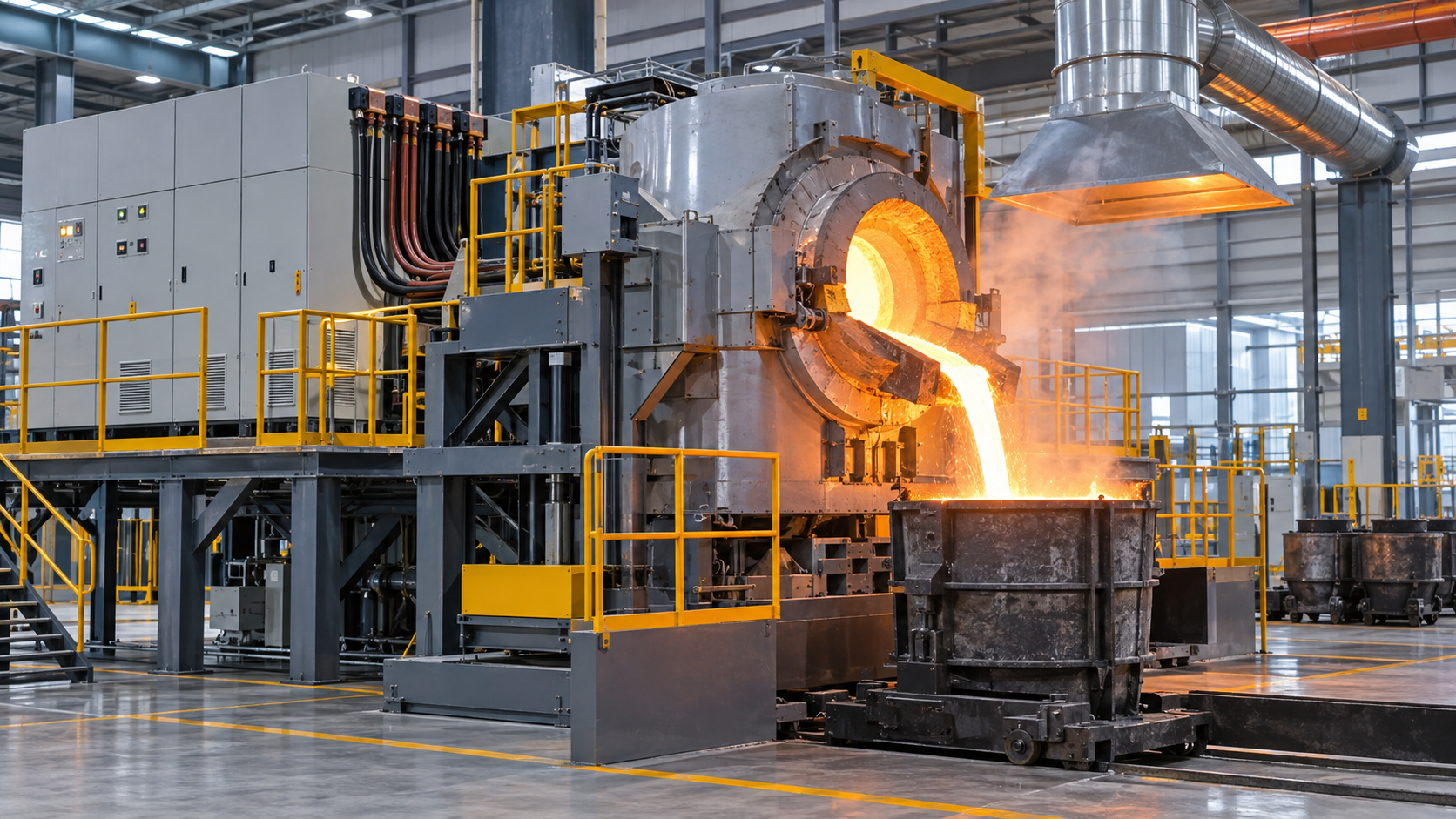
Modern foundries are under pressure to melt faster, control energy use, and deliver cleaner metal with less rework. That challenge is especially clear in jobbing foundries and small steel plants, where charge materials can change from heat to heat. A stable electrical melting system gives operators more control over temperature, stirring, and chemistry than many fuel-fired approaches.
A well-designed medium frequency induction furnace can shorten the path from scrap charge to qualified melt because heat is generated directly inside the metal. Instead of depending on flame contact or long soak times, the furnace transfers energy through electromagnetic induction. This helps reduce temperature gradients, improves bath movement, and gives the operator a more responsive way to reach the tapping target.
For steel casting, the furnace body, lining design, power supply, and cooling system must work as one package. A steel induction melting furnace is often selected when plants need flexible heats, compact floor space, and repeatable melt cycles. The equipment can be sized for frequent production changes while still maintaining the output needed for ladles, molds, or downstream casting equipment.
Melt quality also depends on disciplined operating habits. Charge material should be dry and sorted, slag should be removed before it attacks the lining, and the furnace should not be held unnecessarily above the required tapping temperature. Good practice protects the refractory, reduces metal loss, and keeps the shop more predictable during busy shifts.
Another advantage is integration. When an induction melting furnace supplier provides matching transformers, capacitor cabinets, cooling water equipment, and furnace controls, the installation becomes easier to manage. The plant can standardize spare parts, train operators around one control philosophy, and reduce downtime caused by mismatched components.
The best results come from treating the furnace as the center of a complete melting practice rather than as a standalone machine. Material preparation, lining maintenance, temperature measurement, and tapping procedures all affect final yield. With the right equipment and a careful process, induction melting can give foundries a practical route to cleaner metal, steadier production, and lower operating risk.







Post Comment