How Online Gaming Has Changed the Way People Play
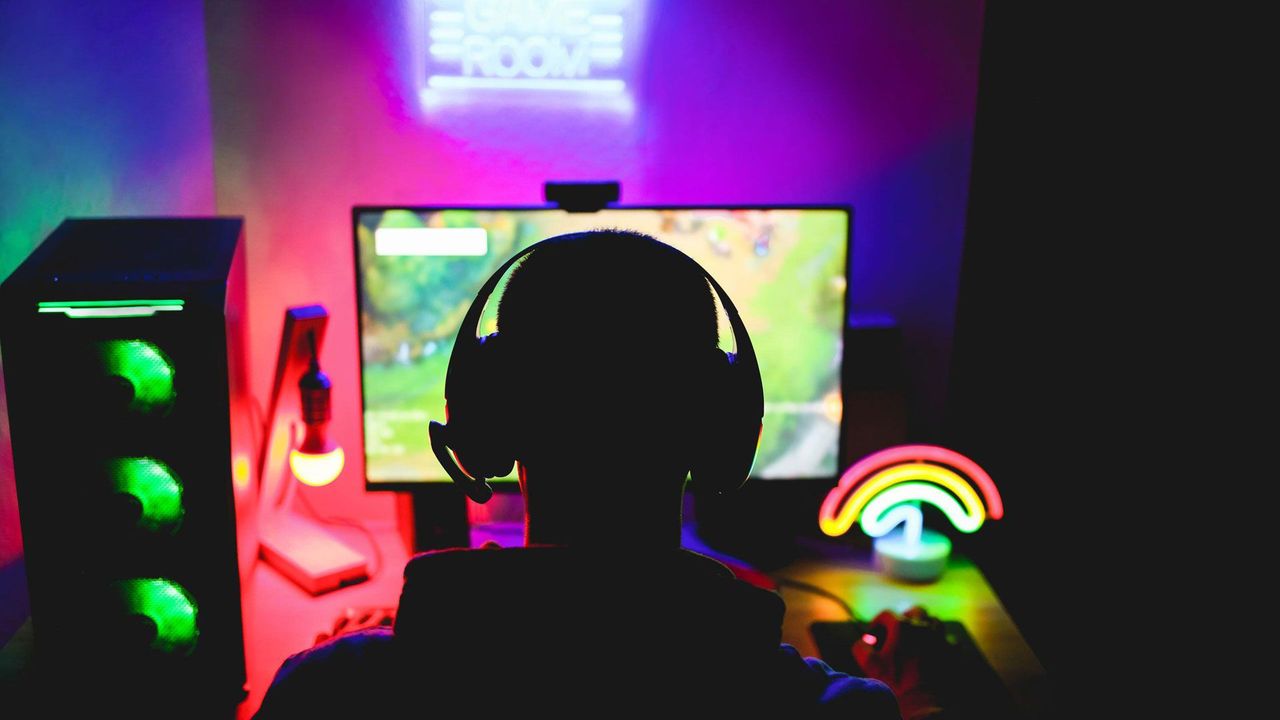
Online gaming has transformed entertainment in ways that were difficult to imagine a few decades ago. Games are no longer limited to a single console, computer, or room. With an internet connection, players can join games, compete with others, communicate with friends, and explore new forms of digital entertainment from almost anywhere. This transformation has changed not only what people play but also when, where, and how they play.
Gaming Has Become More Accessible
One of the biggest changes brought by online gaming is accessibility. Traditional gaming often required specific hardware, physical game copies, and sometimes local multiplayer arrangements. Today, people can access many types of games through computers, smartphones, tablets, consoles, and web browsers.
Browser-based gaming has also made short gaming sessions easier. Players can start a game without necessarily downloading large files or installing complicated software. Recent research into web gaming shows that convenience and low barriers to entry are important reasons people choose browser-based experiences.
This flexibility allows gaming to fit around everyday schedules. Someone may play for a few minutes during a break, while another person may spend an entire evening in a multiplayer session.
Multiplayer Gaming Has Made Play More Social
Online gaming has also changed gaming from an individual activity into a social experience. Players can now communicate through text chat, voice communication, teams, guilds, and online communities.
Friends who live in different cities or countries can play together without being physically present. Competitive games have also created communities where players meet people with similar interests and develop long-term friendships.
Modern online games often treat social interaction as an important part of the experience. Players may enter a game because they want to compete, but they may continue returning because of the people they meet there.
Competition Has Reached a Wider Audience
Online gaming has made competition more accessible than ever. Players no longer need to visit a local gaming center or arrange a match with people nearby. They can compete against opponents from different locations whenever servers and matchmaking systems are available.
Leaderboards, rankings, tournaments, and competitive events have added another layer to gaming. Even casual players can participate in competitive environments and improve their skills over time.
This has also contributed to the growth of different digital entertainment formats. For example, some users may encounter platforms such as DEWA222 while exploring online entertainment, although these experiences are different from traditional video games.
Mobile Devices Changed Gaming Habits
Smartphones have played a major role in changing how people play. Instead of needing to sit in front of a television or computer, players can access games while traveling, waiting, or relaxing at home.
Mobile gaming has encouraged shorter and more frequent sessions. Players can complete a quick challenge, participate in a multiplayer match, or continue progress in a larger game without being tied to one location.
This has made gaming more integrated into everyday digital life.
Streaming and Online Communities Influence Players
Gaming is no longer only about playing. People also watch others play through livestreams and video platforms. Streamers, gaming creators, reviews, tutorials, and online communities can influence which games people discover and how they approach them.
Players can watch strategies before trying a game themselves. They can learn new techniques, follow updates, and discuss gaming experiences with communities around the world. The growing popularity of game streaming demonstrates how gaming has become both an interactive and viewing experience.
The Future of Online Play
The future of online gaming will likely continue to focus on convenience, social interaction, and cross-platform experiences. Games are becoming easier to access across different devices, while online communities are becoming an increasingly important part of the overall experience.
Players may also continue exploring different forms of digital entertainment, including experiences associated with terms such as slot superdewa. However, responsible and informed use remains important whenever people participate in online entertainment.
Conclusion
Online gaming has fundamentally changed the way people play. It has made games more accessible, connected players across borders, expanded competitive opportunities, and introduced new ways to discover and experience digital entertainment. From smartphones and browsers to multiplayer communities and livestreams, gaming is now more flexible and social than ever. As technology continues to develop, the way people play will likely become even more connected, convenient, and diverse.








Post Comment