KYC and AML Across the Customer Lifecycle
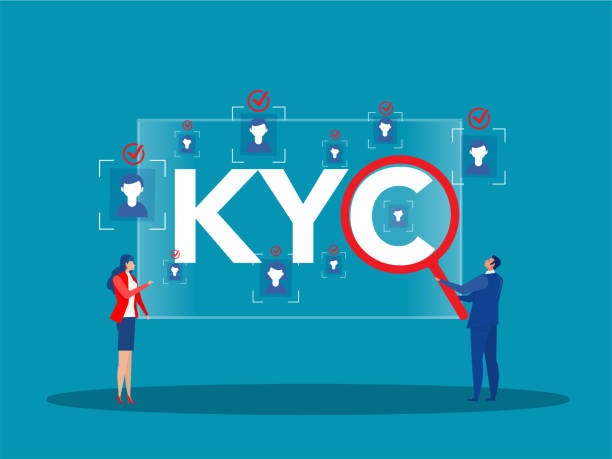
Most people imagine KYC and AML as something that happens once, right when an account opens. That’s only part of the picture. In reality, these checks follow a customer through the entire relationship, not just the first day. Walking through that lifecycle stage by stage makes it much easier to see how KYC and AML actually work together in practice, rather than as two separate boxes to check and forget.
Stage One: Opening the Account
Everything starts with identity. Before an account can be opened, a customer must prove their identity. This means submitting a government-issued ID, confirming basic details such as date of birth and address, and passing an initial screening for sanctions and watchlists.
What Happens Behind the Scenes
While the customer sees a simple form, the institution is running multiple checks simultaneously. Identity documents get verified. Names get screened against government lists. A risk score gets assigned based on everything gathered so far. This first stage sets the tone for everything that follows.
Stage Two: Assigning a Risk Level
Once identity is confirmed, the customer is assigned to a risk category. Most customers land in a low-risk tier and move forward quickly. A smaller group, based on factors such as occupation, location, or transaction type, is flagged for closer review before the relationship even starts.
Why This Step Shapes Everything After
This early risk decision is not just a formality. It determines how closely the account gets watched going forward. A low-risk customer might only face routine periodic checks. A higher-risk customer will likely see more frequent monitoring from day one.
Stage Three: Living With the Account
This is where AML really takes over from KYC. Once the account is active, every transaction becomes part of an ongoing pattern that the institution watches. Large deposits, unusual transfers, or activity that doesn’t match a customer’s stated profile can all trigger a closer look.
KYC/AML as a Continuous Loop
KYC/AML does not stop being relevant here. Identity data collected during onboarding stays in play, providing context for any activity that shows up later. A transaction that looks strange in isolation often makes more sense, or raises more concern. Once it’s compared against what the institution already knows about that customer.
Stage Four: Something Looks Off
Eventually, most institutions run into a case that needs a closer look. Maybe a transaction seems out of step with a customer’s normal behavior. Maybe new information suggests a higher risk level than originally assigned.
Where Source of Funds and Source of Wealth Come In
This is often where the difference between the source of funds and the source of wealth becomes important. The source of funds explains where a specific transaction’s funds came from, such as a paycheck or an inheritance. Source of wealth explains the bigger picture behind a customer’s overall financial position. A single deposit might check out fine on its own, but if it doesn’t fit someone’s broader financial history, that gap is worth investigating. Compliance teams often need to request documentation for both, since neither alone tells the full story.
Stage Five: Ongoing Review and Re-Screening
Customer relationships do not stay fixed, and neither does risk. Sanctions lists update. Life circumstances change. A customer’s job, location, or financial behavior can shift years after their account first opened. Strong KYC and AML compliance means periodically revisiting a customer’s file rather than treating the original onboarding decision as permanent.
Ongoing review often gets less attention than onboarding, simply because it’s less visible day to day. But skipping it creates a real blind spot. A customer who looked completely fine two years ago might carry very different risk today, and only ongoing review catches that shift before it becomes a bigger problem.
Stage Six: Closing the Customer Relationship
Even the end of a customer relationship carries compliance weight. When an account closes, whether the customer leaves voluntarily or the institution ends the relationship. The records still need to be retained for a set period under federal requirements. This is not just paperwork. If a regulator or investigator later needs to trace activity, those closed-account records often matter just as much as an active file would.
Some institutions treat account closure as the end of the compliance story. In reality, retained records from closed accounts frequently play a role in later investigations, especially when patterns only become clear after connecting activity across multiple institutions or time periods.
Looking at KYC and AML as a full lifecycle, rather than a single onboarding event, changes how the whole process feels. It shifts from a one-time assessment to an ongoing relationship between an institution and the actual risk each customer represents, aligning with regulators’ expectations.





Post Comment