Luxury Down Comforter Weights: Choosing the Right One for Your Climate
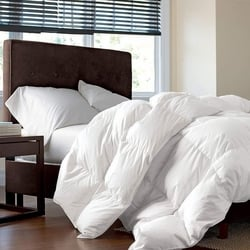
You spend hundreds on a down comforter. You bring it home, layer it on the bed, and then wake up at 2 a.m. drenched in sweat. Or worse, freezing under a so-called winter weight that just runs cold. The wrong weight ruins sleep and turns a serious purchase into something that sits in the closet for years. Luxury down comforter weight is one of those details people skip past at checkout. They look at thread count, fill power, maybe the shell material, and assume the rest will sort itself out. It usually doesn’t.
What “Weight” Actually Refers To
Weight refers to the amount of down stuffed inside the luxury down comforter. Brands list it in ounces or grams. Fill power tells you how lofty and high-quality the down is. Fill weight tells you how much of it is in there. Both numbers matter, and people confuse them often.
A high fill power down can still feel too light if the fill weight is low. A lower fill power, packed in heavily, can feel suffocating. The two work together. Most reputable makers list both on the product page. If they don’t, that’s a small red flag worth noting.
The Three Main Weight Categories
Most quality bedding makers sell down comforters in three weight bands. The exact names vary, but the idea stays consistent.
- Lightweight or summer weight: usually 15 to 25 ounces of down. Suited for warm bedrooms or hot sleepers.
- All-season or medium weight: roughly 25 to 35 ounces. The safest pick if you only own one.
- Winter weight or extra warm: 35 ounces and up. Built for cold rooms and people who like to feel wrapped in something dense.
These ranges shift based on comforter size and the brand’s filling style. A Queen and a California King with the same warmth rating will hold different total ounces of down. Look at the warmth rating or the brand’s own weight description, not just the raw fill number.
Matching the Weight to Where You Live
Climate is the obvious factor, but people oversimplify it. Someone in Phoenix and someone in Toronto clearly need different comforters. The details inside that decision are where mistakes happen.
For warm or humid climates, a lightweight comforter usually works year-round, especially if you keep your bedroom around 72°F or warmer. Heavy down traps body heat and moisture. You end up kicking it off by midnight.
For four-season climates with proper winters, an all-season weight is often the smartest single purchase. It works through spring and fall, and you can layer a blanket or quilt under it in deep winter if needed. Some buyers prefer a duvet insert system where they swap weights with the seasons, though that doubles the cost.
For very cold climates, or for people who keep their bedrooms below 65°F at night, winter weight earns its place. Down’s insulating properties show up best in dry, cold air. The heavier fill compresses less over the body and holds warmth where you want it.
Bedroom Temperature Matters More Than Outside Weather
Your thermostat tells you more than your ZIP code does. A New England home kept at 74°F in winter calls for a lighter comforter than a Florida home where the AC drops to 65°F at night.
Hot sleepers also need to think about their body’s own thermostat. Some people run warm regardless of the season. A heavy down comforter on a hot sleeper, even in a cold room, leads to night sweats and broken sleep. The damage isn’t just one bad night. Poor sleep over weeks wears down mood and concentration.
The Cost of Choosing Wrong
A good down comforter should last 15 to 20 years with proper care. Buying the wrong weight means either replacing it sooner or pairing it with workarounds, like sleeping with one foot out from under it every night. Neither is ideal at this price point.
There’s another quiet problem. Some sellers label products generously. A so-called winter weight from a budget maker might match a true all-season from a premium one. Reading the actual fill weight in ounces protects you from clever marketing language. Ask for the number. If a seller won’t share it, move on.
Two Comforters or One?
A growing number of buyers go with two comforters, often a lightweight and a winter weight, and swap them as the seasons change. The upfront cost runs higher. The payoff is comfort year-round and less wear on each piece, since neither one carries the load for all twelve months.
If the budget allows, this is perhaps the better long-term choice. If not, an all-season weight covers most needs for most climates, and a thin blanket can fill the gap on the coldest nights.
A Quick Checklist Before Buying
- Know your bedroom’s average overnight temperature in each season.
- Ask about both fill power and fill weight in ounces.
- Match the weight to your sleep style, not just your climate.
- Look for baffle box construction to keep the air evenly distributed.
- Check return policies. A real test takes a few nights, not minutes.
Good design lasts decades. The weight you pick decides whether you actually use it that long or quietly retire it after two seasons.







Post Comment