Safe Driving Tips During Florida’s Heavy Rainy Season
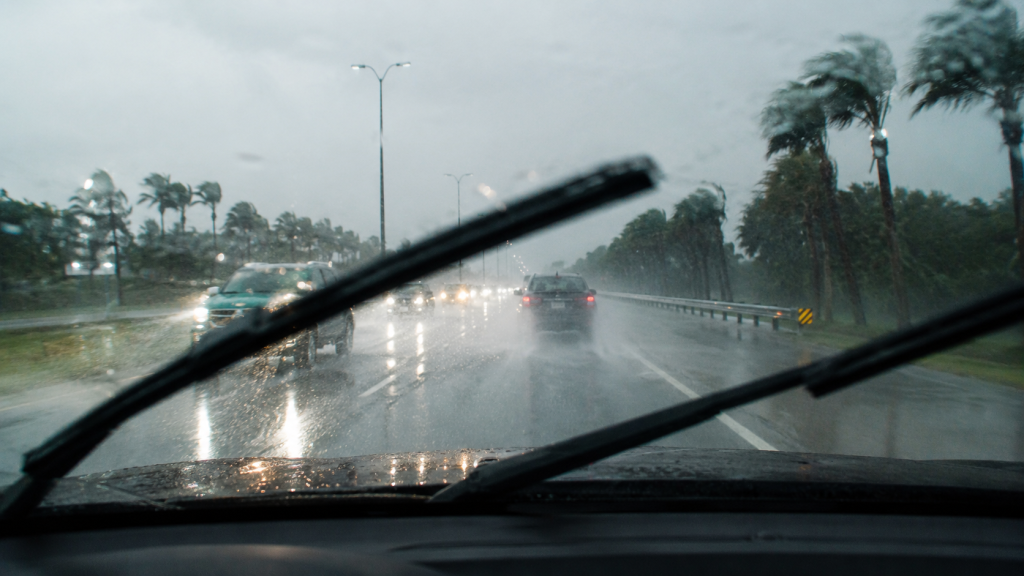
Florida’s rainy season runs from June through September. Afternoon thunderstorms hit fast, sometimes dumping an inch of rain in under 30 minutes on roads that were dry an hour earlier. Over 15,000 Florida crashes in a single year were attributed to wet road conditions per the Florida Department of Highway Safety and Motor Vehicles. Rain factors into roughly 10% of all state crashes, and the conditions here are specific enough that general wet-weather advice does not fully cover what Florida drivers face.
The First Few Minutes Are the Most Dangerous
Hydroplaning is not just a highway concern in Florida. It can happen at speeds as low as 35 mph, particularly in the first few minutes of a storm when rainwater mixes with road oil and debris to create an especially slippery surface.
A vehicle with worn tires hydroplanes at much lower speeds than one with proper tread. When tread depth reaches 2/32 of an inch or below, the tires cannot channel water away effectively. Checking tread depth before the rainy season is not a formality. In Florida, it directly affects control when a storm cell moves over the highway without warning.
If hydroplaning occurs, do not brake. Lift your foot off the accelerator gradually and steer in the direction the car is moving until the tires reconnect with the pavement.
Headlights Are Required by Law When It Rains
Florida law requires drivers to turn on headlights whenever windshield wipers are in use. This is not optional and it is not just about seeing ahead. It is about making your vehicle visible to other drivers in reduced visibility conditions.
Daytime running lights are not the same as headlights. They do not illuminate the rear of the vehicle. If it is raining and your wipers are running, your headlights need to be on.
Use low beams in heavy rain, not high beams. High beams reflect off the precipitation and reduce forward visibility rather than improving it.
Standing Water: The Rule That Saves Lives
Six inches of moving water can cause loss of control. One foot of water can stall an engine and make the vehicle difficult to move. Two feet can carry a vehicle away entirely.
Florida drainage gets overwhelmed fast. Roads that look passable at the edge often have deeper water toward the center. If you cannot see the road surface beneath standing water, do not enter it. This applies to every flooded street regardless of how well you know the road.
Following Distance and Speed
Rain reduces stopping distance in ways that catch experienced drivers off guard. Doubling the normal following distance in wet conditions gives you more reaction time when the car ahead brakes suddenly.
The outer lanes of Florida highways tend to accumulate more water than center lanes. In heavy rain, moving to a center lane reduces hydroplaning risk without requiring a significant change in speed. Reducing speed by 10 to 15 mph below the posted limit during active rainfall keeps tire contact with the road more consistent.
What to Do If You Need to Pull Over
If visibility drops to the point where driving is unsafe, pull completely off the road surface, turn off headlights, and turn on hazard lights. Do not pull under an overpass. Debris, wind, and other vehicles seeking the same shelter make overpasses high-risk during Florida storms.
How Rain Season Connects to Your Insurance
Rain-related accidents fall under collision coverage if you are at fault, or the at-fault driver liability if they caused it. Flood damage from standing water falls under comprehensive.
Florida already has some of the highest car insurance rates in the country and weather-related claims during the rainy season contribute to that. GoAuto Insurance works with Florida drivers to find coverage that fits their situation. Comparing affordable car insurance options before the season peaks gives you time to make a considered decision.










Post Comment