When Autopilot Fails: What the Kyle Shanahan Tesla Crash Teaches Drivers About Liability
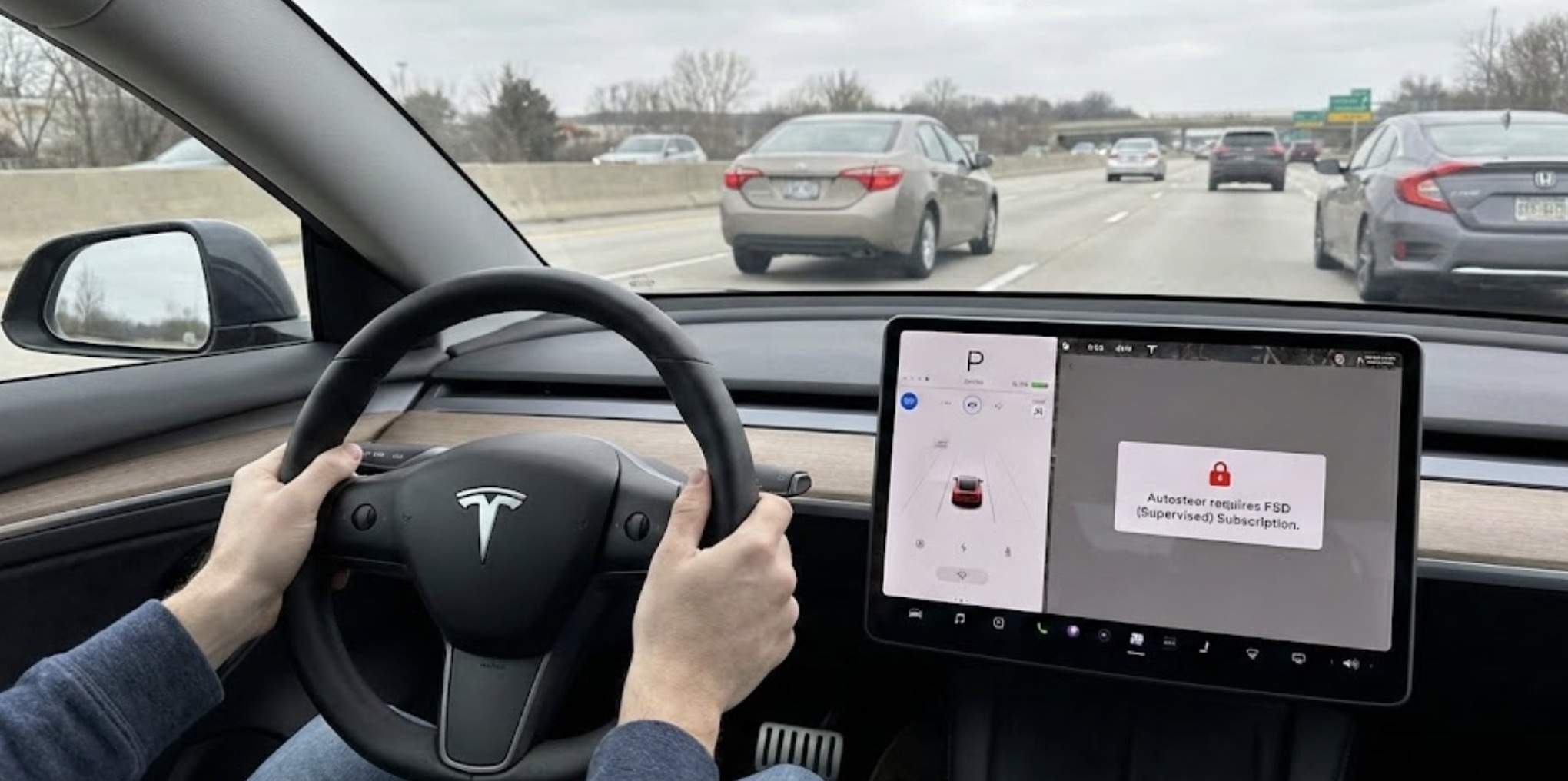
The recent crash involving 49ers head coach Kyle Shanahan’s Tesla has renewed public attention on the risks of driver-assist technology. Shanahan’s Tesla Model S was on Autopilot when his phone slipped out of reach. He looked away for a moment, and his vehicle drifted into oncoming traffic, colliding with another car.
Shanahan walked away with serious injuries, including a concussion, broken ribs, a broken hand, and dozens of stitches. He has publicly taken responsibility for the crash, but he has also admitted he is not sure whether the system malfunctioned or whether he accidentally disengaged it. That uncertainty is common in Autopilot accident cases, and it is exactly why these claims require careful investigation.
Why High-Profile Crashes Matter for Everyday Drivers
A crash involving a well-known public figure draws attention, but the legal issues it raises apply to anyone who shares the road with a semi-autonomous vehicle. Autopilot, Full Self-Driving, and similar systems are increasingly common, and so are the crashes tied to them.
A Growing Pattern of Autopilot-Related Accidents
Federal regulators have expanded investigations into Tesla’s driver-assist systems, examining whether they adequately warn drivers about their limitations. Courts have also weighed in. Earlier this year, a federal judge upheld a verdict of nearly $243 million in a case involving a driver who was using Autopilot while reaching for a dropped phone.
These cases share a common thread. A feature marketed as hands-off assistance can create a false sense of security, and that false sense of security often leads directly to the kind of distraction seen in the Shanahan crash.
How Liability Works in an Autopilot Accident
Determining fault in a crash involving driver-assist technology is rarely straightforward. Liability may rest with the driver, the manufacturer, or both, depending on how the system performed in the moments before impact.
The Driver’s Role
Even when Autopilot is engaged, the driver is still required to remain attentive and ready to take control. Courts have generally treated these systems as driver aids, not replacements for an alert human. A driver who looks away, even briefly, can still be found at fault for what happens next.
The Manufacturer’s Role
Liability can shift toward the manufacturer if the system failed to warn the driver of a hazard, misread the road, or malfunctioned outright. This is where vehicle data becomes critical. Sensor logs, camera footage, and system status records can show whether Autopilot was active, how it responded before the crash, and whether the driver had a realistic chance to react.
Why the Two Can Overlap
Many claims involve shared responsibility. A driver’s momentary distraction and a system’s delayed response can both contribute to the same crash. Sorting out how much each factor contributed is often the central issue in an Autopilot injury claim.
Steps to Take After a Crash Involving Driver-Assist Technology
Anyone involved in a collision with a vehicle running Autopilot or a similar system should take a few key steps right away.
- Call 911 and file a police report.
- Seek medical attention, even if injuries seem minor.
- Document the scene, including damage and any visible technology indicators.
- Exchange contact and insurance information.
- Avoid discussing fault at the scene, since Autopilot involvement can complicate that determination later.
- Speak with an experienced car accident attorney as soon as possible.
Why Speed Matters
Vehicle data connected to Autopilot can be overwritten or lost if it is not preserved quickly. Manufacturers are not always motivated to hold onto data that could work against them. Acting early gives an attorney the best chance to secure that evidence before it disappears.
Why Legal Guidance Matters in These Cases
Crashes involving Autopilot or other driver-assist systems rarely resolve as easily as they first appear. Sorting out fault requires digging into vehicle data, reconstructing the moments before impact, and understanding how the technology was designed to function.
A local personal injury law firm knows how to request and preserve that data before it is lost, and how to use it to build a complete picture of what happened. They can also handle negotiations with insurance companies, which often try to minimize payouts in cases involving unfamiliar technology.
If you or someone you love has been injured in a crash involving Autopilot or another driver-assist system, do not wait to get legal advice. An experienced attorney can investigate the details of your case, protect your rights, and pursue full compensation for your injuries, medical costs, and lost income.







Post Comment