Which Light Stands Actually Hold Up Under Real Studio Pressure?
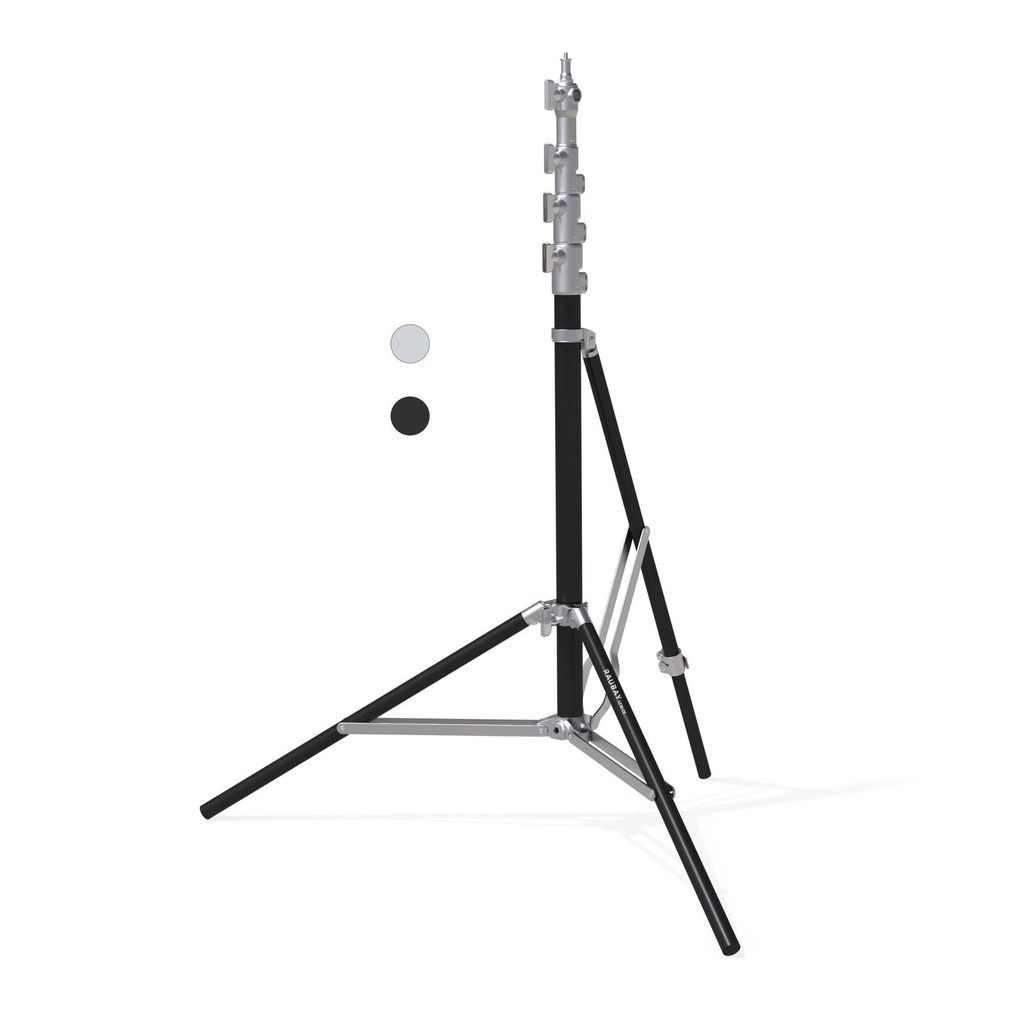
Every photographer eventually has the same conversation with a colleague. The story usually starts with a strobe crashing to the floor, sometimes taking a modifier or a laptop with it, and it always ends with the same question: what should I have bought instead? Light stands are the least glamorous part of any lighting kit, which is precisely why they are so often underspecified. Buyers focus on strobes, softboxes, and reflectors, then grab whatever stand the retailer bundles at the lowest price. The result is a rig that works fine for a demo shot and fails on the first real assignment. This piece looks past marketing sheets to examine what genuine reliability looks like when you are running weighted heads, extended booms, and long sessions on hard studio floors, so the next stand you buy actually survives the job you bought it for.
The Difference Between Cheap and Dependable
A stand’s job description sounds simple: hold a light where you put it. Reality has more variables. A working stand handles vibration from footsteps, resists tipping when the boom arm extends past its base, and lets you raise or lower the head repeatedly without collar screws stripping out. It also folds down small enough to fit in whatever transport method your workflow uses, and it opens back up without requiring a tool kit.
Cheap stands cut corners at the joints. Plastic thumbscrews strip within a few months of daily use, riser sections wobble because the tubing does not seat cleanly, and the base spreader arrives with tolerances so loose the whole rig sways under a modest fan modifier. Choosing well-built light stands from the start avoids the false economy of buying twice, and it also protects the strobe heads and modifiers that ride on top, which usually cost several times more than the stand itself.
Weight Capacity Claims Versus Reality
Manufacturer specifications deserve a healthy dose of skepticism, but only when you know how to read them. A capacity of five kilograms sounds generous until you calculate the actual load a real setup places on the stand.
Reading the Specs Correctly
Rated capacity typically assumes the load sits directly above the center column at moderate extension. That is almost never the shooting configuration. Once you add a boom arm, a monolight, and a large softbox, the effective moment on the stand can double or triple even though total mass looks modest. Serious manufacturers publish capacity charts that account for extension height and boom offset. If a supplier lists only one number, treat it as an optimistic ceiling and plan to operate at half of it in practice.
Understanding Center of Gravity
The geometry of the load matters as much as the total weight. A heavy strobe with a small reflector behaves very differently on the same stand than a lighter head wearing a two-meter octabox. The wide modifier catches air, shifts the center of gravity forward, and turns any small vibration into an oscillation. Test setups in your studio, watch how the head sways after you release it, and pick stands whose base spread and weight allow the whole assembly to settle within a second or two. If the swaying continues, you are one nudge away from a crash.
Height and Portability Trade-offs
Taller stands offer more flexibility, but every centimeter of maximum height also lengthens the collapsed size and adds mass. Portrait shooters working mostly at eye level rarely need a four-meter stand and would benefit more from a compact three-meter unit that fits in the back of a small car. Overhead product photographers, on the other hand, need serious vertical reach and stability, and they should not compromise on stand class to save weight during transport. Match the tool to the actual work rather than to the specification that sounds most impressive on paper.
Consider the storage reality too. A stand that arrives in a two-meter collapsed length may not fit in an apartment closet or a compact rental studio’s storage rack. Measure your storage space before ordering, especially if you plan to buy several stands to build out a lighting kit.
Adding Sandbags, Boom Arms, and Casters
Accessories transform a stand from a passive holder into a versatile positioning tool. Sandbags are the first upgrade. A ten-kilogram bag draped over the lowest spreader arm anchors the rig against small tugs on power cables, minor floor bumps, and modifier drift under studio air conditioning. The bag does not have to be heavy in absolute terms; it just has to lower the center of gravity below the tipping threshold.
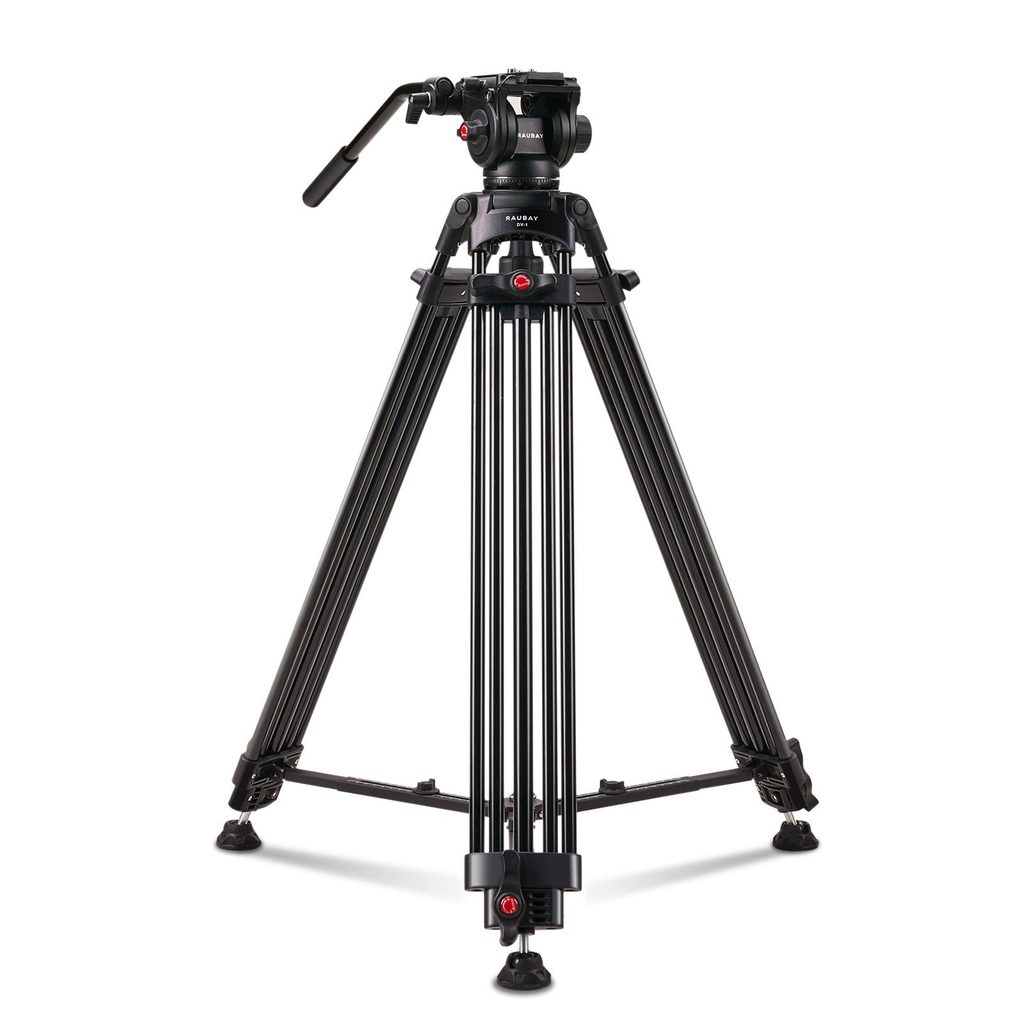
Boom arms extend reach when you need to light from an angle the stand cannot cover directly, but they place enormous stress on the vertical column. Use a stand rated for boom work rather than improvising with a general-purpose unit, and always counterweight the far end. Casters, meanwhile, help in rental studios and commercial shoots where you reposition lights constantly during a session. Reputable brands including Raubay design their higher-tier stands with accessory mounts that accept these add-ons without adapters, which is worth checking before you commit to a specific model, since retrofitting compatibility later can be surprisingly expensive.
Buying the Support Your Work Deserves
A light stand rarely gets photographed, celebrated, or reviewed in enthusiastic detail. It just holds things up, session after session, until it either keeps doing its job or drops something expensive. Buyers who invest a little more time in specification, capacity math, and accessory planning usually end up with kits that outlast several rounds of strobe upgrades. Prioritize stability over reach unless your work genuinely demands the extra height, read capacity ratings against the actual leverage your modifiers will apply, and treat sandbags as mandatory rather than optional. The stands that survive real studio pressure are the ones that were chosen for the pressure they would face, not the ones that looked adequate on a bundle price tag. That single shift in buying mindset will save more equipment than any insurance policy ever could.






Post Comment