Why Are Shared Driveways an Overlooked Source of Pedestrian Accidents
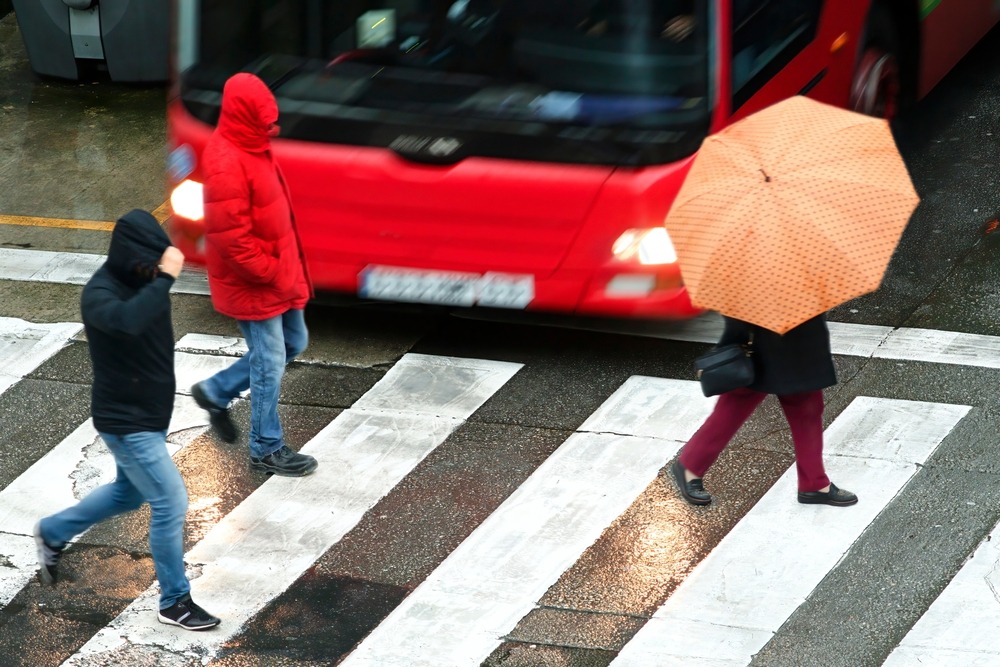
Busy roads usually receive the most attention in conversations about pedestrian safety, yet shared driveways quietly create their own set of dangers every single day. These spaces connect sidewalks, parking areas, businesses, and public roads, bringing people and vehicles together in a very limited area. Drivers often focus on joining traffic while pedestrians expect a clear path to continue walking. Those different expectations can lead to unexpected collisions.
Conversations with a pedestrian accident lawyer often start with questions about how an accident happened. In many cases, shared driveways create unexpected risks that are easy to overlook. Taking a closer look at these situations helps explain why they deserve greater attention.
Shared Driveways Bring Different Road Users Into the Same Space
Shared driveways are common around shopping centers, apartment buildings, office parks, restaurants, and mixed-use properties. Unlike a regular road, these areas serve several purposes at the same time. Cars enter and leave, delivery vehicles stop briefly, and pedestrians walk between buildings or parking areas throughout the day.
This constant movement creates an environment that changes every few minutes. A vehicle entering the driveway may cross paths with another vehicle leaving the property while pedestrians walk through the same space. Since everyone is moving toward a different destination, predicting each person’s next action becomes much more difficult than on an ordinary street.
Visibility Problems Often Begin Before a Vehicle Starts Moving
Buildings, Fences, and Landscaping Can Block the View
The layout of a property has a direct effect on visibility. Buildings placed close to the driveway, decorative fences, trees, shrubs, and signs can hide approaching pedestrians until they are very close to a moving vehicle. Drivers may slowly enter the driveway without realizing someone is already crossing nearby.
Pedestrians also experience the same problem from the opposite direction. A vehicle leaving the property may remain hidden behind walls or landscaping until it suddenly appears. These limited sightlines reduce the amount of time available for both people to react safely.
Parked Vehicles Create Temporary Blind Spots
Parked cars, delivery trucks, moving vans, and service vehicles change visibility throughout the day. A clear driveway during the morning may become much harder to see by the afternoon because larger vehicles temporarily block important views. These blind spots are not permanent, but they create changing conditions that make shared driveways less predictable than many people realize.
Looking back at these changing conditions is often part of the broader review performed after an incident. During that process, a lawyer may consider how temporary obstacles affected visibility before the collision instead of focusing only on the point of impact.
Everyday Traffic Habits Can Increase the Risk
Drivers Often Focus on Larger Roads Instead of Walkways
Drivers leaving a shared driveway usually direct most of their attention toward traffic on the main road. They look for an opening between moving vehicles and prepare to merge safely. While doing this, nearby sidewalks or walkways may receive less attention for a brief moment.
That short shift in attention can become important because pedestrians continue moving while drivers concentrate on traffic. Neither side may expect the other to arrive at exactly the same place within those few seconds.
Pedestrians May Expect Drivers to See Them
Pedestrians often believe that a slow-moving vehicle has already noticed them. Drivers may make the same assumption about people walking nearby. These different expectations can create confusion because both sides think the other has already recognized their presence. Shared driveways leave little room for mistakes once both paths meet.
Shared Driveways Change Constantly Throughout the Day
Traffic patterns in shared driveways never stay the same for long. Early mornings may bring commuters leaving apartment buildings, while afternoons fill parking areas with shoppers, deliveries, and visitors. School pickup hours, business schedules, and evening activities all create different levels of vehicle and pedestrian movement.
Weather also changes how these spaces work. Rain reduces visibility and creates slippery surfaces. Bright sunlight may produce glare that hides approaching pedestrians. Even changing shadows from nearby buildings can briefly affect what drivers see before entering or leaving the driveway.
Small Details Often Help Explain How These Accidents Happen
Shared driveway accidents are usually understood by looking at several pieces of information together rather than relying on one observation.
- Property layout
- Vehicle travel direction
- Pedestrian walking path
- Visibility near the entrance
- Lighting and weather conditions
- Available photographs or camera footage
Each detail adds another part to the overall sequence. Looking at every available record together often provides a clearer understanding of how the collision developed.
Conclusion
Shared driveways rarely receive the same attention as busy intersections, yet they create a unique environment where vehicles and pedestrians move through the same limited space every day. Property design, changing visibility, traffic habits, and temporary obstacles all influence how safely people travel through these areas.
Careful review of these combined factors often explains much more than the final point of impact. That is one reason conversations involving a pedestrian accident lawyer frequently include the full layout and conditions of the shared driveway instead of focusing on only the collision itself.







Post Comment