Why NVR Security Systems Lead Modern Home Protection
Home security has quietly moved past the era of a single doorbell camera or a pair of standalone battery units. The households investing in reliable, long-term protection are increasingly turning to network video recorder setups, which centralize footage from multiple cameras onto a dedicated recorder within the home. What used to be commercial-grade equipment reserved for warehouses and offices has become practical for family properties, small businesses, and multi-building setups. The reasons are worth understanding. These systems bring together higher-resolution recording, larger local storage, tighter control over data, and the ability to expand coverage without paying more each month. This piece unpacks what actually sets these platforms apart today, how to build one that fits a real home, and where the category is heading over the next few years. For anyone weighing serious investment in home protection, the shift from cloud-only cameras to a proper local recorder configuration is one of the most consequential decisions available. It changes the economics, the reliability, and the depth of coverage a household can achieve.
What Sets This Approach Apart Today
The core difference between an NVR security system and a collection of stand-alone cameras is how the system stores and processes footage. Instead of relying on cloud services and individual camera storage, everything routes through a central recorder that lives inside your home. That change shapes almost every practical aspect of ownership, from monthly costs to the way you review incidents when they happen. The families who make the switch rarely go back, because the day-to-day experience becomes noticeably calmer.
Centralized Recording and Reliability
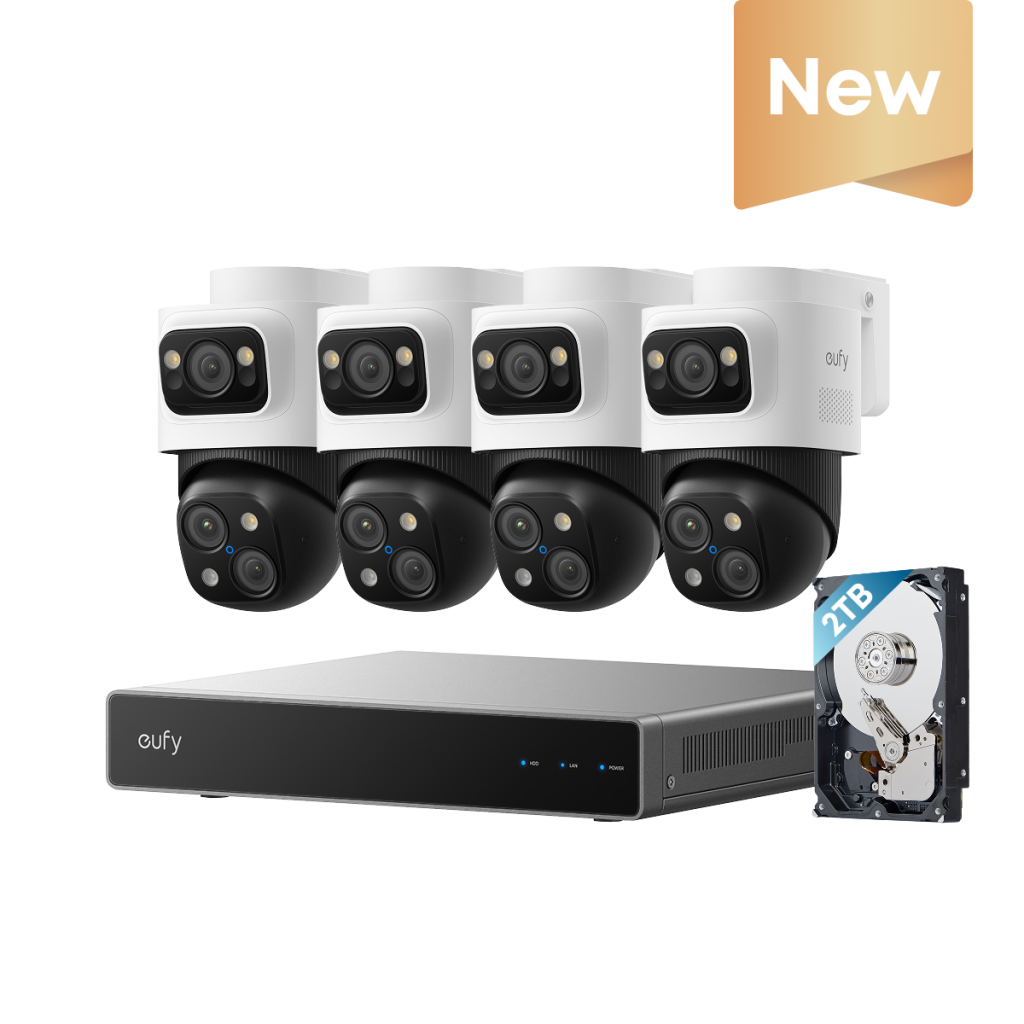
A network video recorder receives streams from every camera connected to it and writes them to internal drives designed for continuous operation. This is different from consumer cameras that record only when motion is detected or that push to the cloud when connectivity allows. Twenty-four-seven recording means nothing is missed, and reviewing footage becomes a matter of scrubbing through a timeline rather than piecing together short clips. Drive redundancy adds another layer. Recorders often support multiple hard drives, and configurations like RAID mean a single failure does not lose weeks of history. That reliability matters most in the moments you would rather not think about. Insurance claims, property disputes, or incident reviews all benefit from having complete, tamper-resistant records. Cloud services can lose access when accounts are compromised or subscriptions lapse. Local recording sidesteps both risks entirely, keeping ownership of your footage where it belongs, on your own hardware, under your own control.
Bandwidth, PoE, and System Efficiency
Modern setups typically pair with cameras over Power over Ethernet, which delivers both data and electricity through a single cable. This one detail reshapes installation. Instead of running separate power supplies to every mounting point, a single cable reaches each camera, and the recorder itself supplies the power. That simplification makes multi-camera deployments practical for homeowners rather than only for professional installers. Bandwidth stays local within the network, which means high-resolution streams do not compete with household internet usage. Streaming 4K video from six cameras through a residential upload connection is impractical; keeping those streams inside the home is what allows the resolution to actually be used. As more households add cameras, this local-network approach becomes increasingly important. Cloud-heavy systems bump against the ceiling of home internet bandwidth. Local recording setups do not, because the recording happens on-site with room to grow. This distinction only becomes more valuable as camera resolutions continue to climb.
Building a Reliable Setup at Home
Moving from a single camera to a full recorder-based system is a real project, but it is more approachable than it looks. A few core decisions shape the setup, and getting them right early prevents the kind of rework that turns weekend projects into months-long headaches. The households that plan carefully at the start rarely need to redesign later, even as coverage expands.
Camera Compatibility and PoE Infrastructure
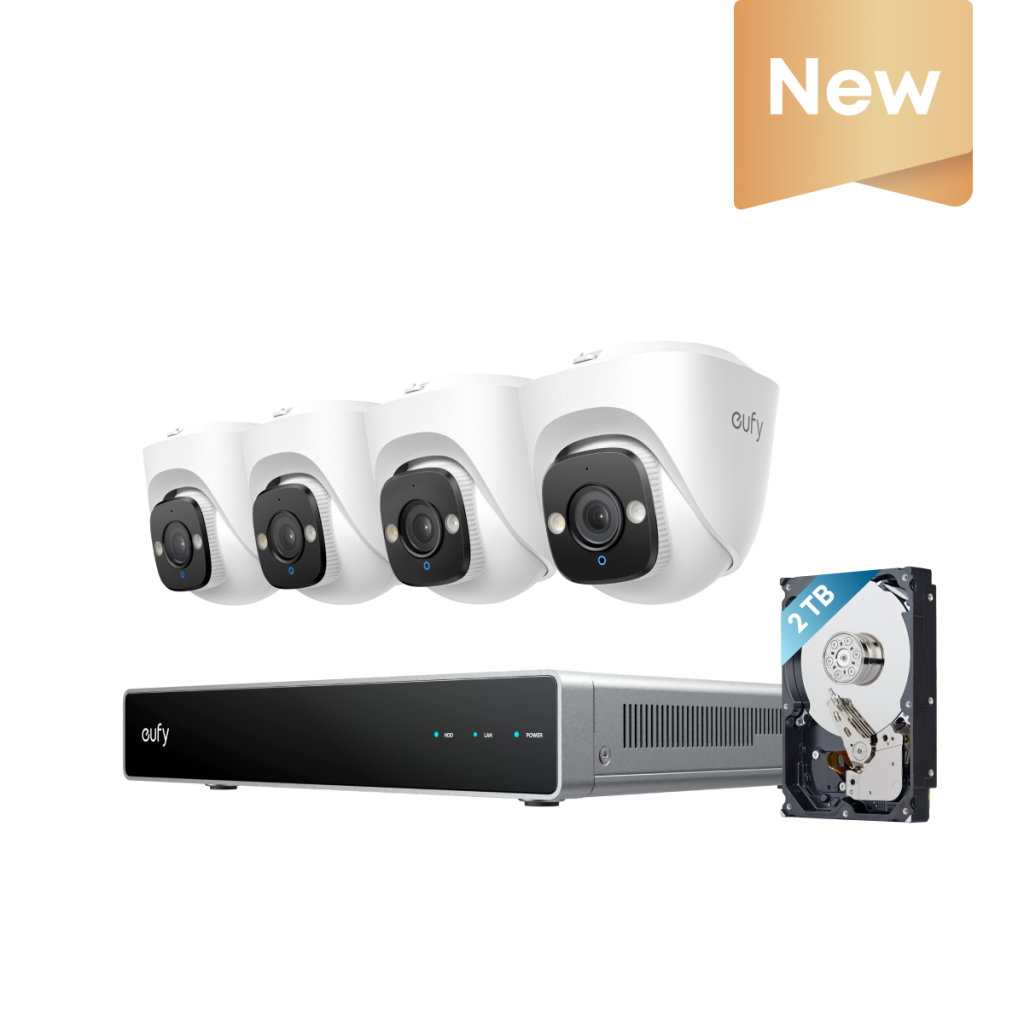
Camera compatibility is the first thing to verify. Most recorders work with a range of IP cameras from the same manufacturer, and many also support the ONVIF standard, which lets third-party cameras join the system. Sticking with cameras from the same brand as the recorder tends to unlock deeper feature support, including AI analytics that would otherwise be limited across mixed brands. Resolution planning matters too. Two 4K cameras produce more useful footage than eight 1080p units in most environments, so weigh clarity against coverage before adding units. PoE switch capacity is where many home builders trip. A four-camera recorder with a built-in switch may not scale to eight when you decide to add cameras later. Sizing the switch and cabling for future growth costs little at installation and avoids expensive rewiring down the road. Plan for the system you will have in three years, not the one you are installing today, and choose components that leave room to expand.
Storage Planning and Data Retention
Drive capacity translates directly into how many days of footage you can hold. A rough rule for planning is that each 4K camera recording continuously produces around 100 to 150 gigabytes per day, depending on scene complexity and codec choice. Multiplied across a system and stretched over a month, storage adds up quickly. Choose surveillance-grade drives designed for continuous write cycles rather than standard desktop drives, which will wear out prematurely. Configure retention windows that match your real needs. Two to four weeks of high-resolution history covers nearly every scenario a homeowner will encounter. Longer retention is possible but rarely necessary, and shorter cycles reduce both drive load and the amount of data at risk if a device is ever compromised. Some platforms let you set different retention rules per camera, which is useful if a driveway unit needs longer history than an indoor one. Getting these settings right at setup avoids surprise gaps later on.
Where the Category Is Headed Next
This category is moving fast. Understanding the direction of travel helps you invest in a system that will feel current for years rather than one that will be outclassed by next spring. Two areas are especially worth watching for anyone planning a purchase, because both will shape how these systems are used long after the initial installation.
AI Analytics and Smart Search
On-device AI has become the defining upgrade path for modern recorders. Older systems required hours of manual review to find a specific event. Newer platforms let you search by category, filtering across days of footage to surface every person crossing a driveway, every vehicle entering the garage, or every package arrival. That capability changes how the system feels to use. Instead of dreading a review session, you can find what you need in minutes. Facial recognition, when implemented locally rather than in the cloud, adds another layer for households that want to distinguish family members from strangers. Brands like eufy have leaned into on-device processing precisely because it keeps this analytical power inside the home. As models improve, expect features like unusual-activity detection and pattern-based alerts to move from professional-grade systems into home setups, further narrowing what you actually need to look at manually. The gap between commercial and residential capability is closing fast.
Remote Access and Ecosystem Integration
Even a fully local recorder benefits from a well-designed remote access layer. Modern platforms let you view live feeds and recorded footage from anywhere without giving up the local-storage advantage. The connection is secured through the manufacturer’s app rather than exposing ports on your home network, which is significantly safer than the DIY setups of a decade ago. Integration with other smart home systems is expanding too. Doorbell events triggering interior recording, lights turning on when an outdoor camera detects a person, or an alarm system arming based on facial recognition are all becoming practical without stitching together services from a dozen vendors. Compatibility with major voice assistants and home hubs varies by brand, so check specific integrations before buying if your household already has a preferred ecosystem. This connective tissue is where local recording platforms are quickly closing the gap with cloud-based alternatives while keeping their core advantages intact.
The Case for Investing in Local Video Recording
Choosing a recorder-based approach is a longer-horizon decision than picking up a standalone camera, but it pays back in ways that become clearer with each passing year. Local storage means no ongoing subscriptions for the footage you actually rely on. Continuous recording means missing events becomes rare. PoE-based installation makes multi-camera coverage practical for real homes, and modern AI features bring commercial-grade search capabilities to household use without giving up privacy. The upfront setup takes more thought than plugging in a single camera, but the framework you build supports growth as your needs change. New cameras integrate, drives can be expanded, and firmware updates keep the system evolving with the category. For families making a serious commitment to home protection, or small property owners looking for reliability beyond what cloud services can guarantee, a local recorder is one of the strongest foundations available today. It centralizes control, respects your data, and quietly delivers the kind of coverage that pays for itself the first time you actually need it.








Post Comment