Zexel Injection Pump: Why Quality Fuel Delivery Components Define Engine Longevity
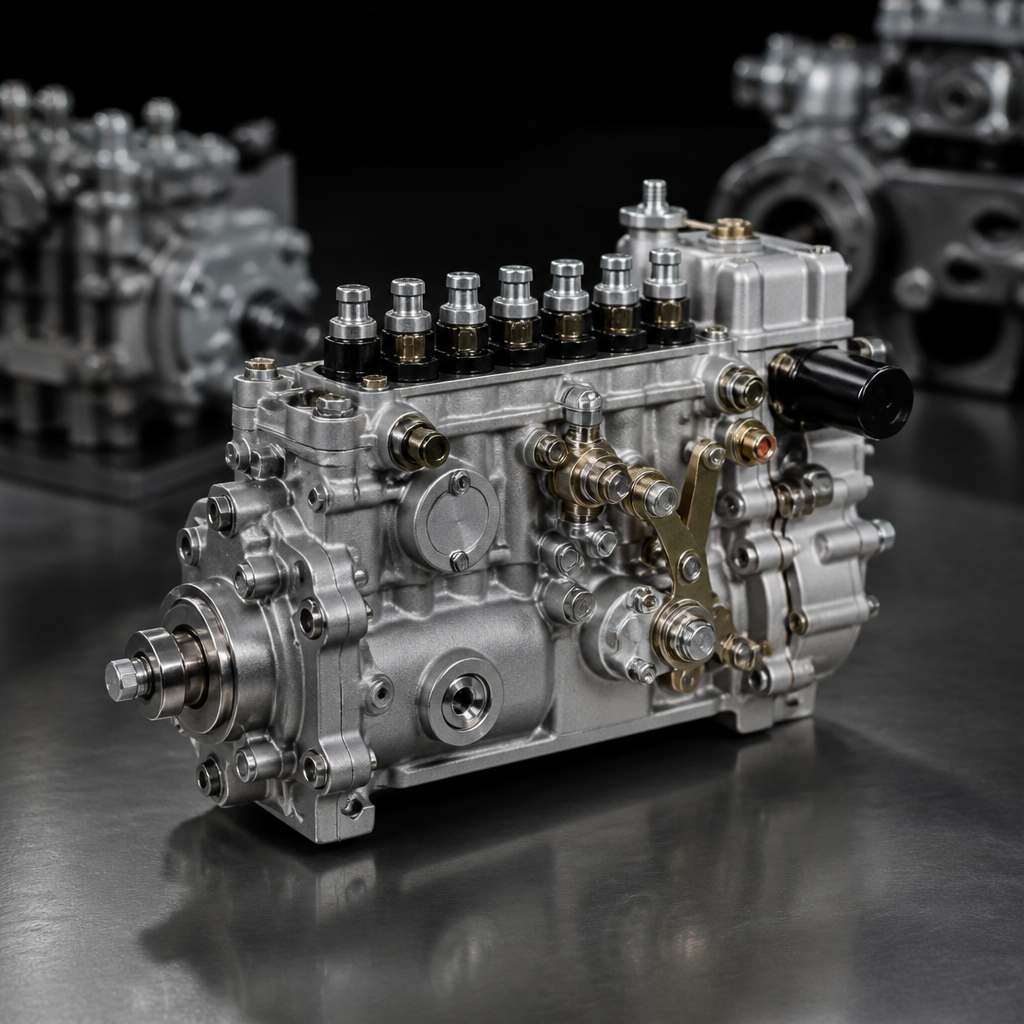
When it comes to diesel engine performance, few components carry as much responsibility as the fuel injection pump. It is the heartbeat of the fuel delivery system — precisely metering and pressurizing fuel before it enters the combustion chamber. For fleet operators, heavy equipment managers, and diesel mechanics alike, understanding what separates a reliable injection pump from a failing one can mean the difference between a productive workday and an expensive breakdown. This article explores the critical role of injection pumps, how to maintain them properly, and why sourcing quality replacement units matters more than most operators realize.
The Role of the Fuel Injection Pump in Diesel Engines
Diesel engines operate on a fundamentally different principle than gasoline engines. Rather than relying on a spark to ignite fuel, diesel combustion depends on the heat generated by compressed air. For this process to work efficiently, fuel must be delivered at extremely high pressure and with precise timing. The injection pump is responsible for both of these demands simultaneously.
A well-functioning injection pump ensures that each cylinder receives the correct volume of fuel at exactly the right moment in the engine’s cycle. When this timing is even slightly off — or when pressure drops below specification — the consequences ripple through the entire engine. Drivers may notice reduced power, excessive black smoke from the exhaust, poor fuel economy, or rough idling. Left unaddressed, these symptoms can escalate into catastrophic engine damage.
Mechanical Precision at the Core
Inside a diesel injection pump, tolerances are measured in microns. The internal plungers, barrels, and delivery valves must maintain near-perfect clearances to generate the pressures required for proper atomization of fuel. This level of mechanical precision is why injection pumps are among the most expensive components to replace — and why their maintenance should never be treated as an afterthought.
Contaminated fuel is one of the leading causes of premature injection pump failure. Water, particulates, and microbial growth in diesel fuel can score internal surfaces, corrode precision components, and ultimately destroy the pump’s ability to maintain pressure. This is why fuel filtration and regular system inspections are non-negotiable aspects of diesel engine care.
Recognizing the Warning Signs of Injection Pump Failure
Experienced diesel technicians know that injection pump problems rarely appear without warning. The challenge is that many of the early symptoms are subtle and can be mistaken for other issues. Understanding what to look for allows operators to intervene before a minor problem becomes a major repair bill.
Common Indicators That Demand Attention
Hard starting, especially in cold conditions, is often one of the first signs that an injection pump is losing its ability to generate adequate pressure. As the pump wears internally, it struggles to build the pressure needed to initiate combustion efficiently. Similarly, a noticeable loss of power under load — particularly when climbing grades or hauling heavy cargo — suggests that fuel delivery is no longer meeting the engine’s demands.
Excessive smoke is another telling symptom. Black smoke typically indicates incomplete combustion caused by incorrect fuel timing or over-fueling, while white smoke can point to fuel entering the combustion chamber at the wrong phase. Both conditions stress the engine and, if persistent, can damage pistons, rings, and cylinder walls. Addressing injection pump issues promptly is not just about the pump — it is about protecting the entire engine.
How Regular Servicing Protects Your Fuel System
Diesel engine longevity is rarely accidental. It is the result of disciplined maintenance schedules, quality parts, and attention to the details that most operators overlook. Routine vehicle servicing plays a direct role in protecting engine components, including the fuel injection system, by ensuring that filters are replaced on schedule, fuel quality is monitored, and early signs of wear are caught before they compound into larger failures.
Beyond scheduled servicing, cleaning the fuel injectors themselves is a maintenance task that is often underestimated. Deposits that accumulate on injector tips alter the spray pattern of fuel, reducing combustion efficiency and placing additional strain on the injection pump. Keeping injectors clean is a cost-effective way to extend the life of the entire fuel delivery system.
Fuel Injector Cleaning: A Practical Maintenance Step
For those looking to understand the process in greater depth, this detailed guide on how to clean fuel injectors provides practical, step-by-step information that both professional mechanics and informed vehicle owners will find valuable. Keeping injectors clean reduces the workload on the pump and helps maintain the precise fuel delivery that diesel engines depend on.
Choosing the Right Replacement Injection Pump
When an injection pump reaches the end of its service life, the replacement decision carries significant weight. Installing a substandard unit — whether due to cost-cutting or poor sourcing — can result in premature failure, warranty complications, and ongoing performance issues. The market for diesel injection components is unfortunately filled with low-quality alternatives that do not meet original equipment specifications.
This is where sourcing from a reputable supplier becomes essential. If you are looking for a reliable zexel injection pump, Goldfarb Inc. offers both new and rebuilt units that meet the demanding specifications required by diesel engines across a wide range of applications. Their inventory supports operators who cannot afford the uncertainty that comes with inferior replacement parts.
About Goldfarb Inc.
Goldfarb Inc. has established itself as a trusted source for diesel fuel system components, with a particular focus on injection pumps and related parts. Their catalog includes both new and professionally rebuilt units, giving customers flexibility based on application requirements and budget considerations. What sets Goldfarb apart is not simply the breadth of their inventory, but the technical knowledge that backs every transaction. Customers working through complex diesel repair scenarios benefit from access to a team that understands the nuances of fuel system engineering — not just the part numbers.
For fleet managers, independent repair shops, and equipment operators who depend on diesel power, having a reliable parts supplier is as important as having a skilled technician. Goldfarb Inc. fills that role with consistency and expertise that the diesel industry demands.
Conclusion: Precision Parts, Lasting Performance
The fuel injection pump is not a component that rewards compromise. Its role in diesel engine performance is too central, its internal tolerances too precise, and the consequences of failure too costly for operators to treat it as anything less than a priority. Whether you are maintaining a single work truck or managing a fleet of heavy equipment, investing in quality injection pump components — and maintaining them properly — is one of the most effective decisions you can make for long-term engine health.
Regular servicing, clean fuel, attentive monitoring of performance symptoms, and sourcing replacement parts from reputable suppliers are the pillars of a diesel maintenance strategy that delivers results. When those pillars are in place, diesel engines do what they were designed to do: work hard, run reliably, and last for hundreds of thousands of miles.







Post Comment