Avoid These Costly Mistakes When Buying Birthstone Jewelry
The category looks beginner friendly. Pick a stone, pick a setting, click buy. Under the surface it is one of the easier gift categories to get wrong. Wrong month on outdated charts. Synthetic sold as natural without disclosure. Pieces that look good in product photography and turn out too fragile for daily wear. None of these failures show up until the piece is already unwrapped, which is the worst possible time to discover them.
This piece is a warning list rather than a shopping guide. It walks through the specific mistakes that most often waste money in the birth-month gem category, arranged from the most common to the most damaging. Read it before you shop rather than after, and you will avoid the traps that quietly convert a well-intended present into a piece that stays in its packaging or ends up needing replacement within a year. The goal is not to make you paranoid. It is to make you slow down at the exact moments where slowing down saves the gift.
Mistake One: Trusting Every Birth Month Chart
Not all lists agree on which stone belongs to which month. Traditional lists, modern American lists, and various international lists differ, and some months have multiple accepted stones. Buying from a random chart without confirming the recipient’s own reference is one of the most common ways to give a piece that misses the mark.
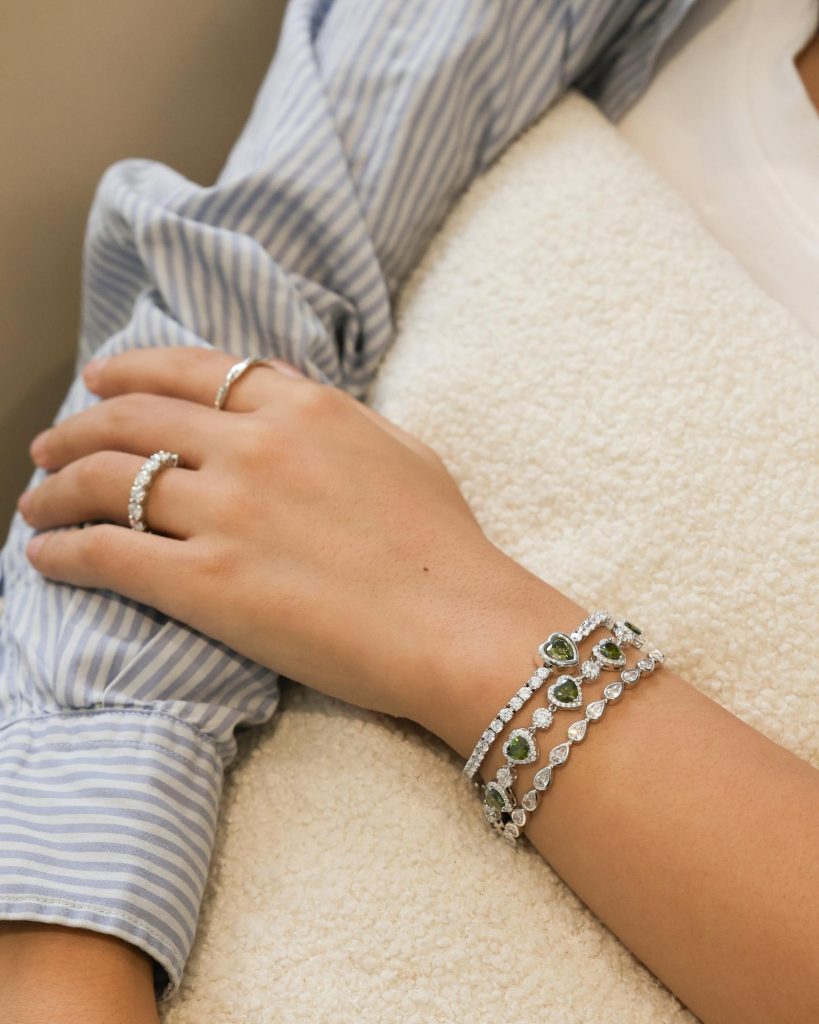
The safer approach is to ask indirectly. Casually mention that you saw a piece with a specific stone and ask whether they identify with that stone or a different one for their month. Most recipients will happily share their preference without recognizing the question as gift research. If asking is impossible, prioritize the modern list over antique versions, since it aligns with what most jewelers stock and what the recipient is most likely to have seen elsewhere.
Mistake Two: Ignoring Natural, Lab-Grown, and Synthetic Distinctions
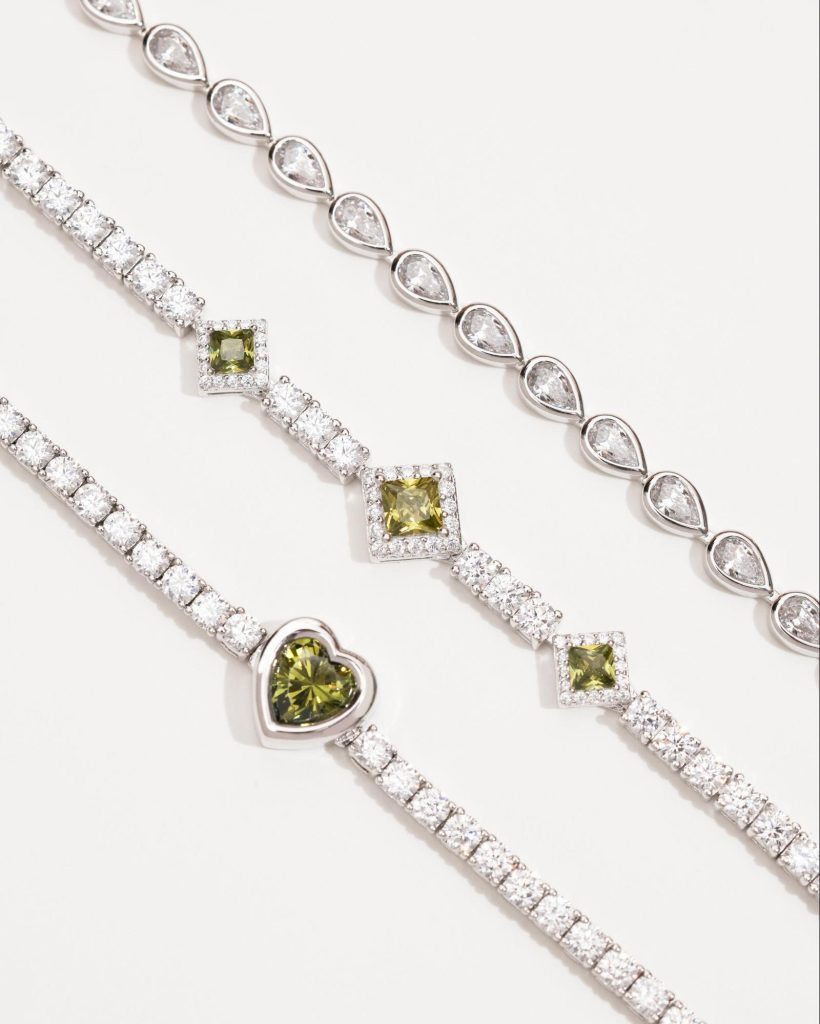
The words natural, lab-grown, simulated, and synthetic mean very different things at the checkout page. A natural sapphire, a lab-grown sapphire with identical chemistry, and a synthetic simulant made from glass or spinel are three different products at three different price points. All of them can look identical in a product photo, and only one of them is what most buyers assume they are getting when the listing does not specify.
What the Terminology Actually Means
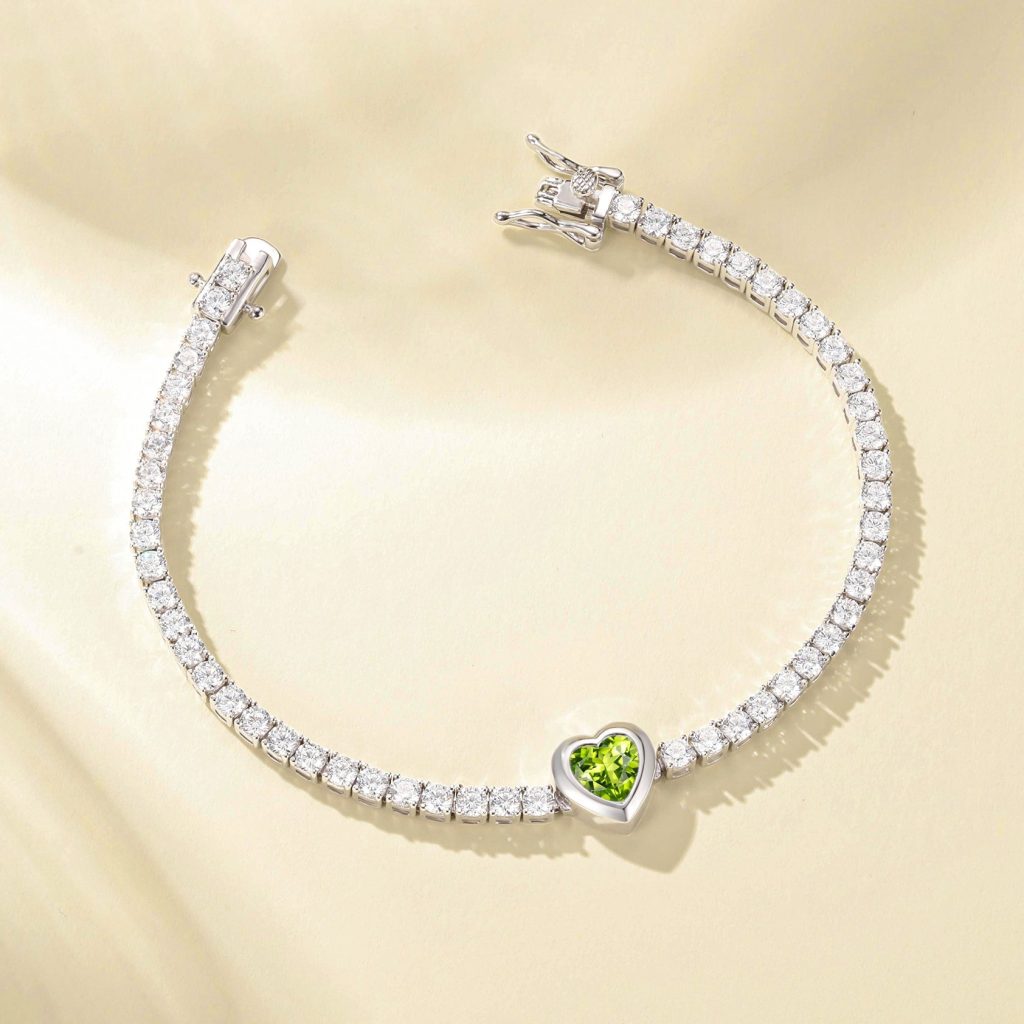
Natural means mined from the earth with any typical enhancements disclosed. Lab-grown means chemically identical to the natural stone but created in a controlled environment. Simulated or synthetic often refers to a different material that visually resembles the target stone, such as cubic zirconia in place of diamond. None of these categories is inherently wrong, but paying natural prices for a simulant is always wrong. Read the product description carefully and email the seller if the terminology is vague. Reputable jewelers answer these questions directly. Sellers who dodge the question are telling you something important.
When Lab-Grown Is the Right Call
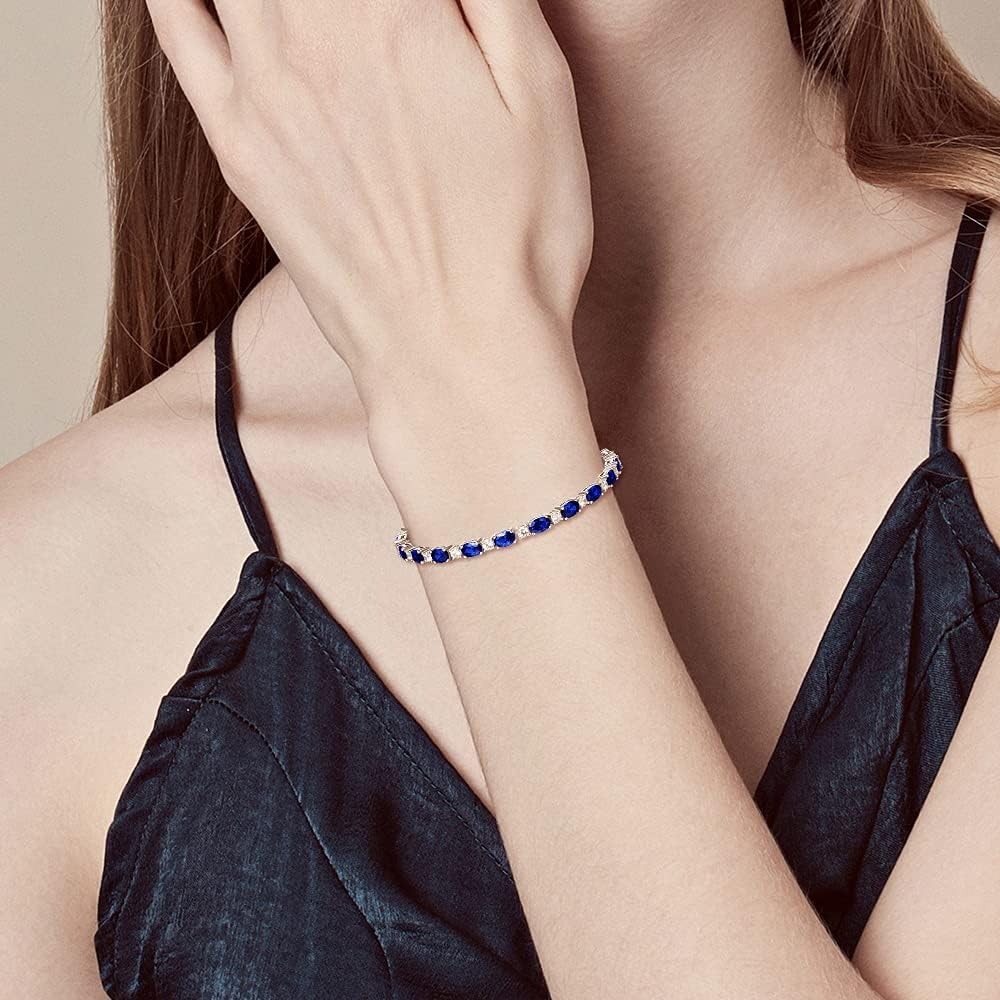
Lab-grown stones often make excellent birth-month gifts. They cost less, they carry the same optical and chemical properties as their natural counterparts, and they sidestep sourcing concerns. The mistake is not choosing lab-grown. The mistake is being sold a synthetic simulant while thinking you bought a lab-grown gem. Confirm which category applies before checkout, ideally in writing on the receipt.
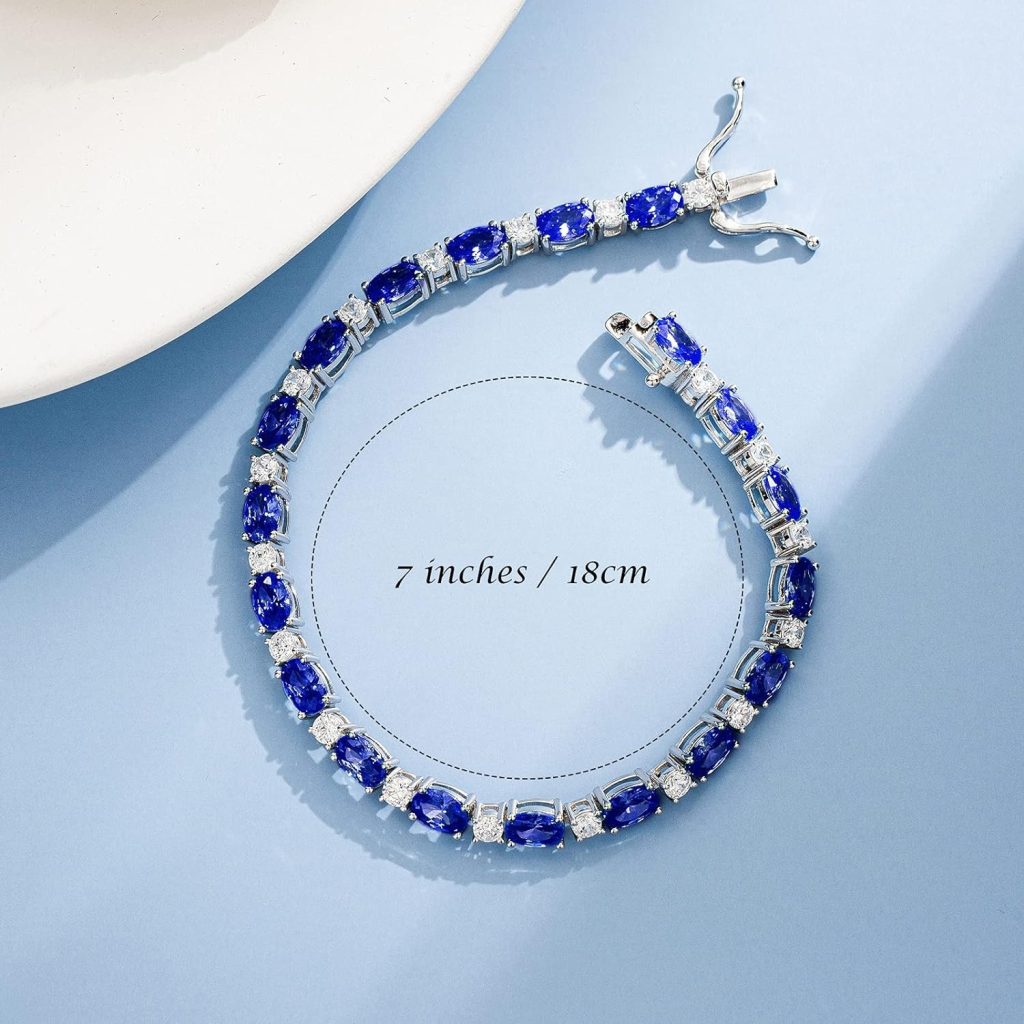
Mistake Three: Buying Stones Too Fragile for the Recipient’s Life
Hardness varies significantly across the twelve months. Diamond, sapphire, and ruby sit near the top and tolerate daily wear. Opal, pearl, and peridot are softer and require gentler handling. Emerald is often included in oil during finishing and can crack if the piece is exposed to ultrasonic cleaning or hot water. Buying a soft stone in a ring setting for a recipient who cooks, gardens, or works with their hands is asking for chips within months.

If the recipient’s month is a softer stone, choose a format that limits impact. Pendants, earrings, and brooches expose the stone to far less mechanical stress than rings or bracelets. If the recipient specifically wants a ring, look for protective settings such as bezel or halo designs that shield the girdle from knocks. Do not simply hope the wearer will remove the piece before every risky activity. Almost no one actually does.
Mistake Four: Underestimating Setting Quality
A good stone in a bad setting is still a bad piece. Prongs that are too thin, glue-set stones in pieces marketed as fine jewelry, and mixed-metal solder joins that discolor within a year are all signs of a setting that will fail regardless of the stone’s grade.

Inspect product photography for the setting details. Sharp, well-defined prongs indicate a piece that will hold its stone. Thick, uniform bezels indicate durable protection. Glue lines around a stone edge or unusually cheap pricing for a claimed material are red flags. If you are shopping in person, ask to see the piece under magnification. Reputable jewelers welcome the request. Sellers who resist are again telling you something worth hearing.
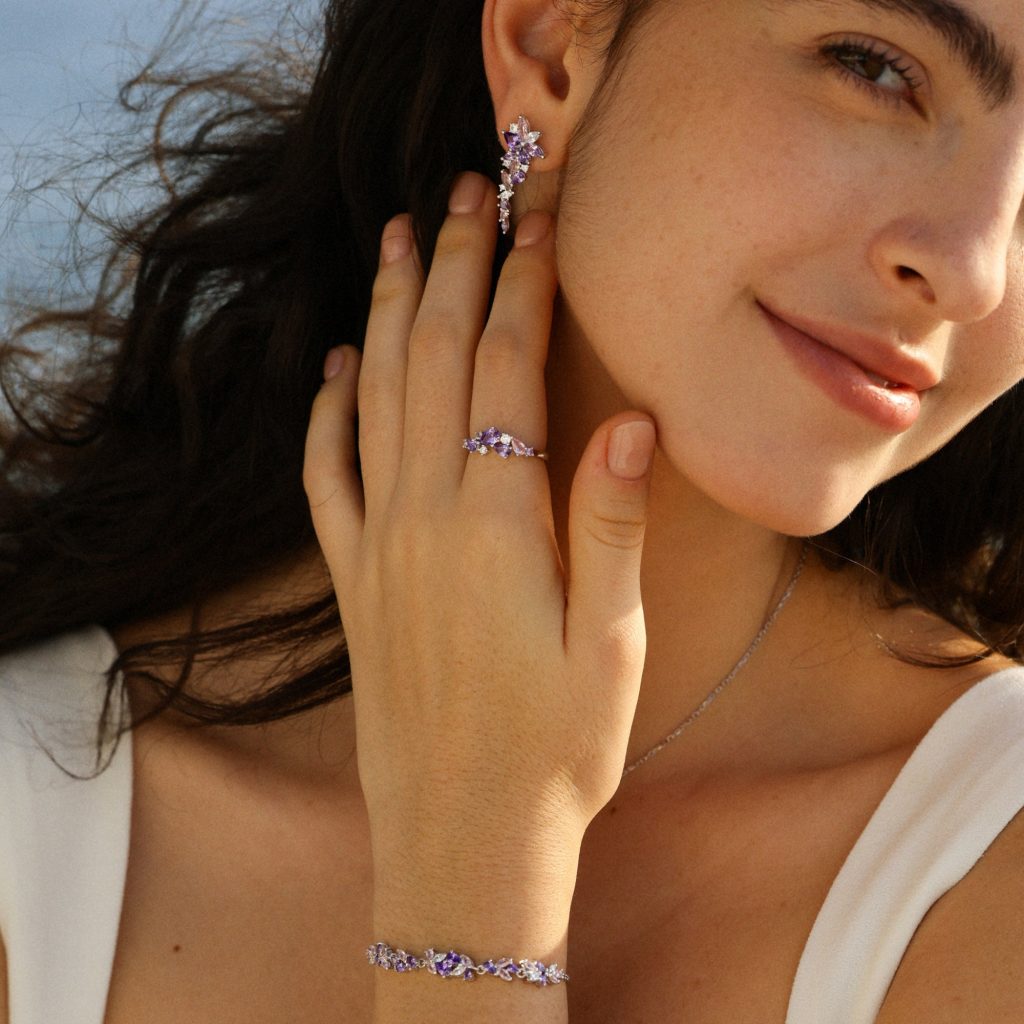
Mistake Five: Skipping Aftercare Planning
Almost every jewelry piece eventually needs service. Prongs loosen, chains stretch, stones need cleaning that home methods cannot handle. Buying a piece from a seller who offers no aftercare pathway means paying a third-party jeweler premium prices to service work they did not perform, which they will do reluctantly and often without warranty.
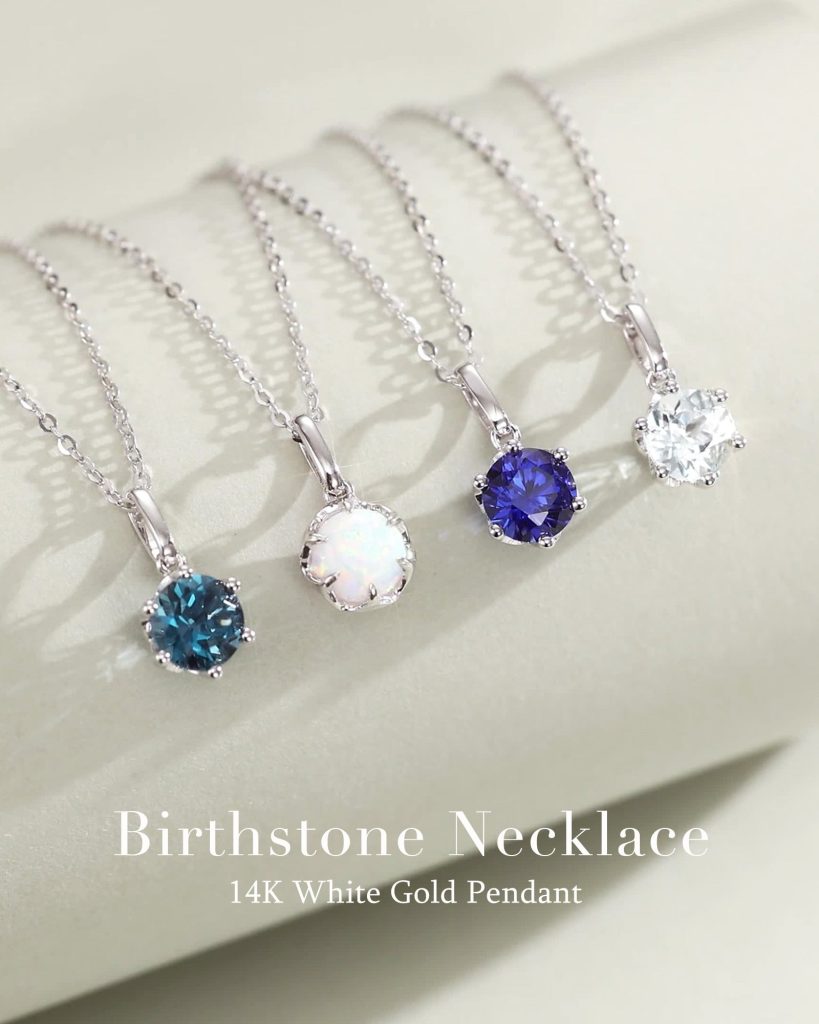
Before purchasing, confirm the seller’s policy on cleaning, prong tightening, resizing, and stone replacement. A jeweler that includes one or two of these services during the first year signals confidence in their construction. FANCI and other established birth-month specialists usually publish this information openly, which is worth checking before you commit. If the seller offers no aftercare at all, factor a lifetime of independent service costs into the true price, and consider whether a slightly more expensive piece from a full-service jeweler is actually cheaper across the years you plan to keep it.
Mistake Six: Choosing Style Over Wearer
The final trap is buying the piece you like rather than the piece the recipient will wear. Bold cocktail rings look impressive in photos and stay in drawers on real hands. Long statement necklaces catch on scarves and coat collars during winter and quietly retire by January. Ornate earrings pull uncomfortably during phone calls and get removed within an hour.

Before committing, revisit what the recipient actually wears. If they favor small studs, a large pendant will feel foreign. If they never wear rings, a ring is wrong regardless of how much you love the setting. This is where thoughtful birthstone jewelry shopping pays off, because the category offers enough format variety that you can honor the wearer’s actual habits without giving up on the personal meaning of the stone. Style yourself out of the decision. The piece is not for you, and the sooner you accept that, the more likely it is to become a piece the recipient reaches for on ordinary mornings rather than a piece they only wear when they know you are watching.
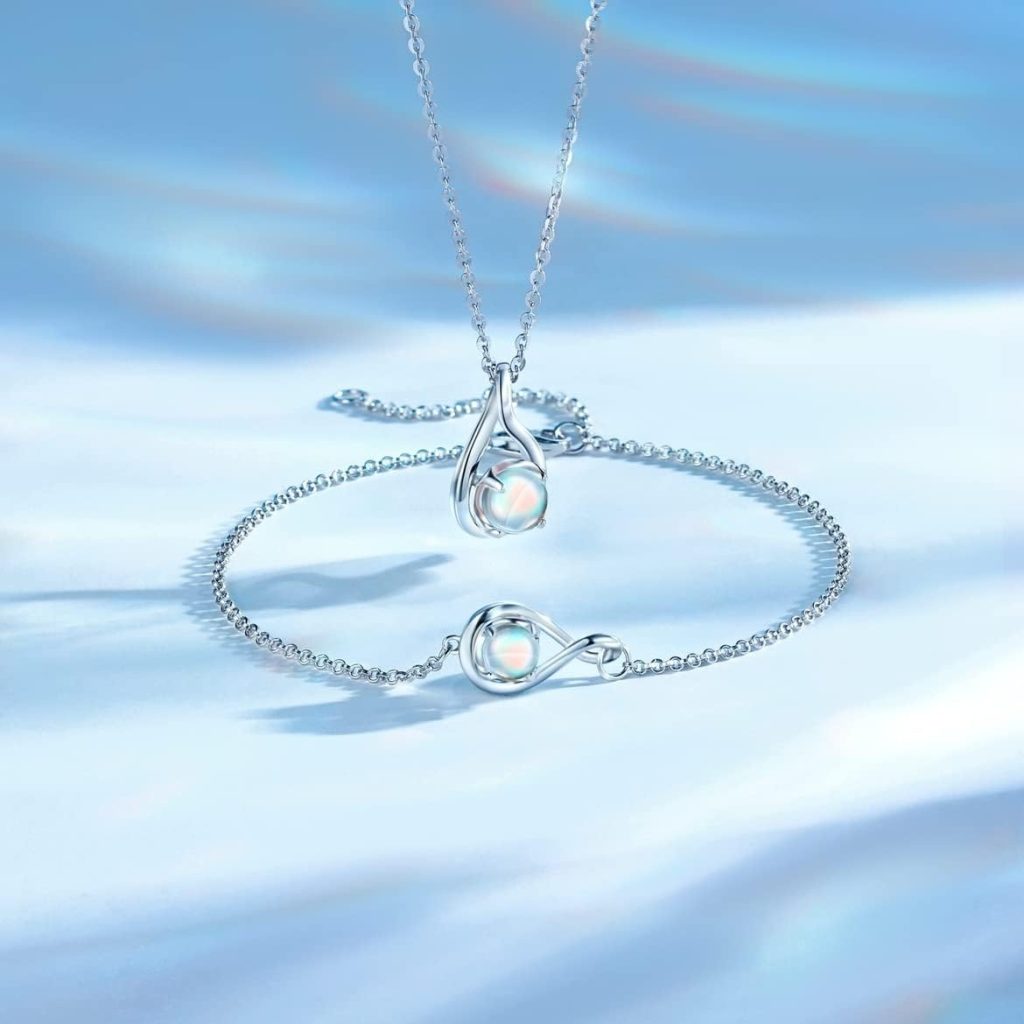
Getting the Gift Right the First Time
Most of the failures in this category share a common cause. The buyer moved fast, trusted the first listing that looked right, and skipped the small verifications that would have caught the mistake. Slowing down at the moments this article flagged, the birth-month chart check, the natural versus lab versus simulant clarification, the hardness match, the setting inspection, the aftercare policy, and the wearer-first style decision, catches almost every common error before money changes hands.
None of these steps is expensive, and none takes more than a few minutes. What they cost is the willingness to pause and ask questions when a checkout page is inviting you to move forward. That small friction is worth practicing. A birth-month piece chosen with those checks in place tends to become a wardrobe staple that is worn for years. A piece chosen without them tends to become a lesson. You have the list now. Use it as a filter, not a checklist to memorize, and the piece you eventually give will earn its place rather than fill a shelf.






Post Comment