Building a Home Recovery Habit Around a Red Light Therapy Belt
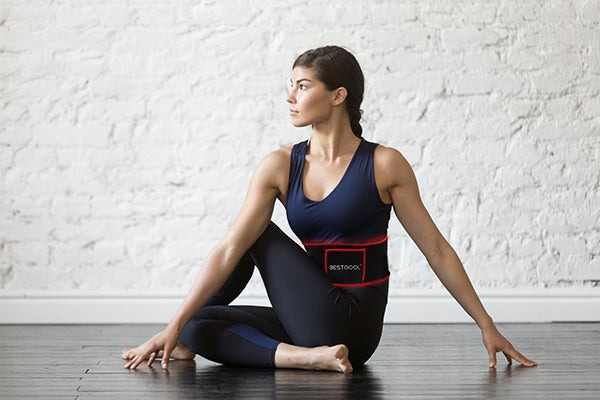
The gap between a wellness modality that works in a study and one that works in a person’s actual week is almost always a compliance problem. Panels produce excellent results in a laboratory setting where a participant is scheduled and reminded. In real life, the same panel often sits unused because it demands ten uninterrupted minutes of standing still in front of a wall in a specific room, and daily life rarely offers that block on a reliable schedule. A wearable format changes the shape of that compliance problem, and the belt is the format that has changed it most decisively.
This piece is written for a specific reader. Someone who has tried the panel format and found the sessions difficult to fit into a real routine, or someone shopping the category for the first time who suspects, correctly, that owning a device is different from using one consistently. The interesting question is not whether the belt delivers photons; any device with the right LEDs does that. The interesting question is whether the belt produces a routine strong enough that the therapy actually happens on the days when the calendar is working against the user, which is when the compliance decision is really made.
The Wearable Format Changes the Compliance Math
The most underrated variable in wellness protocols is whether the routine survives a busy week. A stationary panel loses to the busy week almost every time, because dedicated time is the first thing the busy week eliminates. A wearable device relocates the session into time the user already has, which is the compliance version of finding money in a coat pocket.
The specific value of a Red Light Therapy Belt is that it treats the target area while the user does something else. Answering email at a desk, watching a show on the couch, working through a phone call while pacing the kitchen. The session no longer competes with those activities; it happens alongside them. That change is the difference between three planned sessions per week that mostly happen and five opportunistic sessions per week that reliably do.
Session Cost in Real Time and Attention
A panel session costs the user its full duration in dedicated time. A belt session costs almost nothing in dedicated time because the user is already sitting or standing during the window. The attention cost is similarly asymmetric. A panel demands positioning and repositioning across a session; a belt sits where it was placed and delivers the same dose without ongoing attention. Compliance improves when the marginal cost of each session drops toward zero, and the belt format accomplishes that in a way no stationary device can match.
Anchoring the Session to an Existing Habit
Habit research consistently finds that new routines succeed when they attach to something already established. Panel sessions do not attach easily because they need a physical location and time slot the user does not already have. Belt sessions attach to nearly anything: the morning coffee, the evening reading window, the mid-afternoon email block. The user does not have to build a new habit; the belt session rides along with a habit that already exists. That structural difference is why wearable devices produce better long-term adherence data than stationary devices in most self-report surveys.
Where the Belt Actually Delivers
The belt format is not universal. It is a tool designed for specific tissue targets and specific goals, and buyers who expect it to perform outside those targets often walk away disappointed. Understanding what the format is genuinely good at is what turns the belt into a permanent fixture in the routine rather than a novelty purchase.
Lower Back and Lumbar Support Muscles
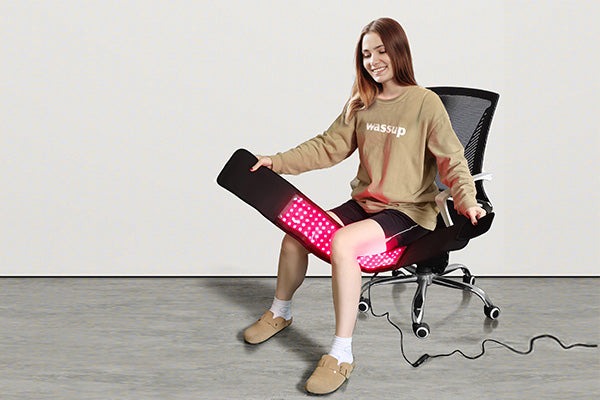
The single most common use case is chronic lower back tension. The belt wraps the lumbar region with even coverage from L1 through the sacrum, delivering red and near-infrared exposure to muscles that carry disproportionate strain in most desk-bound lifestyles. Users often report reduced morning stiffness and better tolerance for extended sitting after several weeks of consistent use. The mechanism is the same photobiomodulation that panels drive, but the coverage and contact are more consistent because the LEDs sit against the skin rather than radiating from across a room.
Abdominal and Core Applications
Repositioned around the waist rather than the lower back, the same belt covers the abdominal region for users interested in gut discomfort, menstrual pain, or general core recovery. The wraparound coverage means the exposure is even across the front and sides rather than concentrated only where the panel happened to be pointing. This flexibility across body regions is why the belt occupies a spot in a home protocol that a fixed panel cannot easily fill.
Hips, Thighs, and Larger Joint Areas
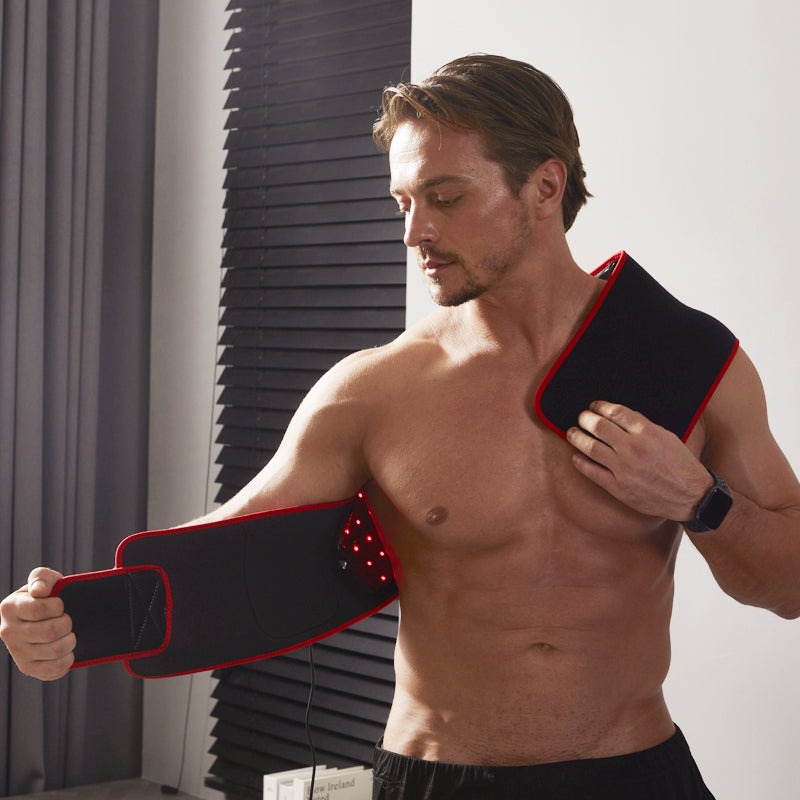
The belt also fits around a thigh, over a hip, or across the front of a shoulder with careful positioning. These are areas where a handheld device requires ongoing attention and a panel requires precise positioning; the belt simply sits in place and delivers the session. Users with cyclical soreness in one specific joint or muscle group often find the belt covers ground that would otherwise need a dedicated wand for each session.
What Separates a Serious Belt From a Novelty One
The belt category has attracted a lot of underpowered entrants because the format lends itself to cheap manufacturing. A useful belt needs to meet the same wavelength and irradiance standards a serious panel would meet, plus a few requirements the wearable form factor adds on top.
LED Density Across the Contact Surface
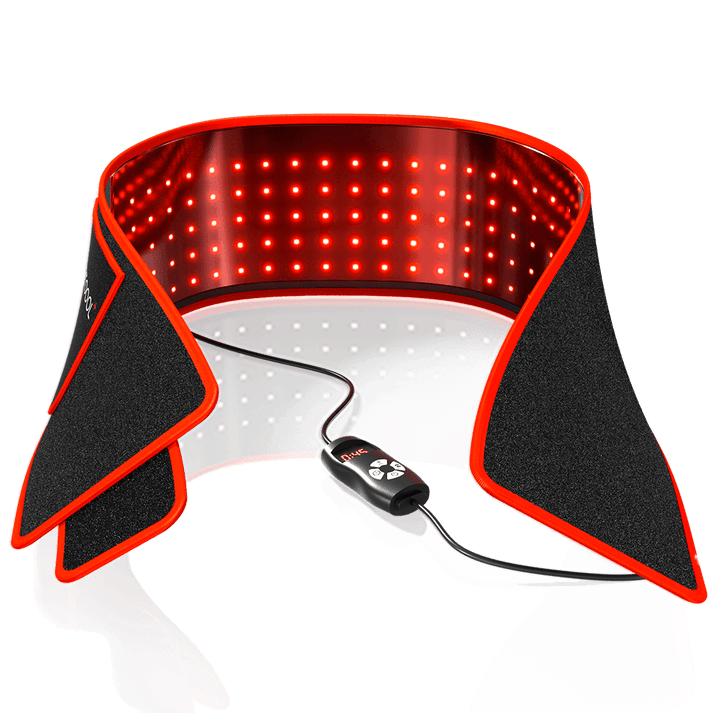
A serious belt puts a meaningful number of LEDs in a grid across the contact surface, at spacing tight enough that the treated tissue receives even exposure rather than a stripe pattern. Belts with widely spaced emitters produce hotspots and cold spots that undercut the therapeutic argument. Reading the LED count and the coverage area together, rather than either specification in isolation, distinguishes belts engineered for coverage from belts engineered for a photo.
Battery Life and Wireless Operation
A belt tethered to a wall outlet is not solving the compliance problem it was supposed to solve. Battery-powered operation with capacity to complete a full session, or ideally two or three sessions before recharging, is what makes the format genuinely wearable. The battery specification is worth verifying because it directly determines whether the belt can be used during activities that involve any movement rather than only during seated stationary time.
Comfort Across a Full Session
A belt worn for ten to twenty minutes needs to be tolerable to sit against skin for that duration. The materials touching the body, the strap length range across different body sizes, and the internal heat management during operation all affect whether the belt gets used or gets set aside. BestQool designs its belt lineup with these ergonomics as first-order considerations, because a technically excellent belt that becomes uncomfortable after five minutes fails the compliance test the format exists to pass.
Controls and Session Timing
An integrated timer that ends the session automatically is a small feature that solves a real problem. Users who have to remember to remove the belt at a specific minute often over- or under-shoot, and both matter for a dose-response modality. A serious belt lets the user set the session length, start it, and forget about it until the belt shuts off on schedule, ideally with a haptic or audible signal at the end.
Wearable Recovery That Actually Sticks
The most useful photobiomodulation device is the one that gets used consistently, not the one with the highest peak specifications. Belts win the consistency argument for most users because they turn passive time into session time without asking for a dedicated block on the calendar. That structural advantage translates into more sessions per week, more weeks in a row, and cumulative effects that panel-based protocols often fail to reach because the schedule interrupts them before they build. The belt is not a replacement for every other device format; it is a targeted tool for lumbar, abdominal, and localized applications where the wearable form factor genuinely outperforms the alternatives. Buyers who understand that framing walk into the category with sensible expectations and pick a belt that meets both the biological specifications and the practical demands of a garment worn against skin. The routine takes care of itself once the belt is right, and the results follow the routine.






Post Comment