How Can You Prevent HVAC Issues with Proper Seasonal Maintenance?
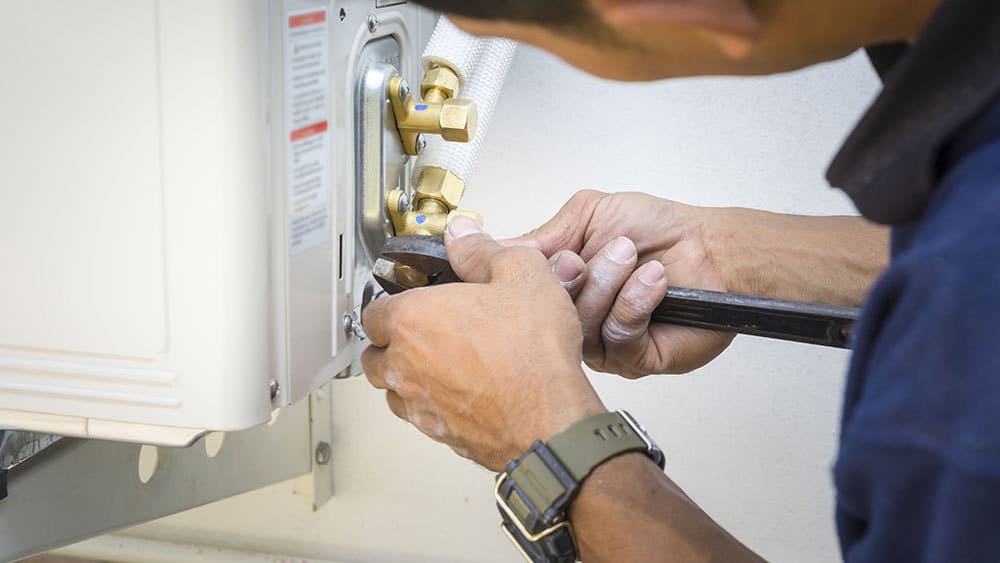
Seasonal maintenance for your HVAC system is an essential practice to keep it running smoothly throughout the year. Whether it’s the middle of summer or the peak of winter, regular care ensures your heating and cooling system operates at peak efficiency. Many issues that lead to expensive repairs or early system failures can be avoided with the proper attention. By performing routine maintenance, homeowners can prevent unnecessary wear and tear, increase energy efficiency, and extend the life of their HVAC systems. Neglecting this important task can lead to the breakdown of crucial components, increased energy bills, and unnecessary stress. It is vital to understand the importance of maintaining your HVAC system seasonally to avoid unnecessary costs and ensure optimal performance when you need it most.
Importance of Seasonal HVAC Maintenance
- How Seasonal Maintenance Helps Prevent Common Problems
Seasonal maintenance is about more than just keeping your system clean; it helps prevent common HVAC problems from arising in the first place. Many HVAC issues stem from clogged filters, unclean coils, or blocked vents. By scheduling regular maintenance, a technician can inspect these components, clean them, and ensure they are operating efficiently. For instance, cleaning the coils ensures the system doesn’t have to work harder than necessary to cool or heat your home, preventing unnecessary strain. In Peoria, where temperatures fluctuate throughout the year, having your system cleaned and inspected seasonally helps ensure it performs reliably, no matter the weather. By catching these issues early, you can avoid more costly repairs down the road and ensure your system’s longevity.
- The Benefits of Changing Filters Regularly
One of the most important aspects of seasonal HVAC maintenance is regularly changing the air filters. Filters are essential for trapping dirt, dust, and debris, which can otherwise clog up the system and reduce efficiency. Over time, filters can become dirty and clogged, obstructing airflow and forcing the system to work harder to circulate air. This not only leads to higher energy costs but can also cause the system to overheat or fail prematurely. By changing filters seasonally, you ensure your HVAC system operates at peak performance, maintaining a comfortable and healthy indoor environment. A simple filter change can significantly improve airflow, reduce dust buildup, and extend the life of your system. Scheduling regular filter changes should be an essential part of any maintenance plan.
- Why Cleaning and Inspecting Ductwork is Crucial
Another important aspect of seasonal HVAC maintenance is cleaning and inspecting the ductwork. Over time, ducts can accumulate dust, debris, and even mold, which can reduce airflow and degrade indoor air quality. Having your ducts professionally cleaned and inspected as part of your seasonal maintenance routine ensures that your system circulates clean air throughout your home. In addition to improving air quality, clean ducts help the system run more efficiently by removing blockages that could cause it to work harder than necessary. Regular inspection also allows for early detection of leaks, cracks, or damaged insulation, all of which can lead to energy loss and inefficient heating or cooling. By addressing these issues during maintenance, you can prevent higher energy costs and improve your system’s overall performance.
- Preventing Seasonal Wear and Tear with Regular Service
Regular seasonal HVAC maintenance helps prevent wear and tear by ensuring that all parts are in optimal working condition. For example, lubricating moving parts, tightening loose components, and ensuring the thermostat is properly calibrated can all help reduce strain on the system. Over time, components such as belts, fans, and motors can wear out, leading to malfunctions. However, by having a technician perform a detailed inspection and tune-up during seasonal maintenance, you reduce the likelihood that these parts will deteriorate prematurely. A well-maintained system will not only last longer but will also function more efficiently, keeping your energy bills under control. Regular service also helps you avoid the inconvenience of system breakdowns, especially during extreme weather, when you need your heating or cooling system to perform its best.
- The Importance of Scheduling Maintenance During the Off-Season
One of the best times to schedule HVAC maintenance is during the off-season, which allows for a thorough inspection without the pressure of extreme temperatures. During these periods, contractors are typically less busy, meaning you can get an appointment more easily and avoid delays. Off-season maintenance allows you to address any issues before you rely heavily on your HVAC system, ensuring it’s ready when it’s time for consistent heating or cooling. It also gives you ample time to make any necessary repairs or replacements, reducing the chances of last-minute issues during peak usage periods. Scheduling maintenance during the off-season not only prevents breakdowns but also gives you peace of mind knowing your HVAC system is in top shape when it’s needed most.
Regular Maintenance Leads to Long-Term Savings
In conclusion, proper seasonal maintenance is an essential practice for preventing HVAC issues and ensuring the longevity and efficiency of your heating and cooling system. By addressing common problems such as clogged filters, dirty coils, and blocked ducts, you can improve system performance and reduce energy consumption. Regular maintenance also prevents wear and tear, saving you money on repairs and prolonging your system’s life. Scheduling maintenance during the off-season and following a proactive maintenance plan can help avoid costly breakdowns and ensure that your HVAC system operates smoothly year-round. By investing in seasonal maintenance, you make a long-term commitment to improving energy efficiency, enhancing comfort, and avoiding unnecessary repair costs.







Post Comment