Nature’s Free Riders: How Commensal Relationships Work Underwater
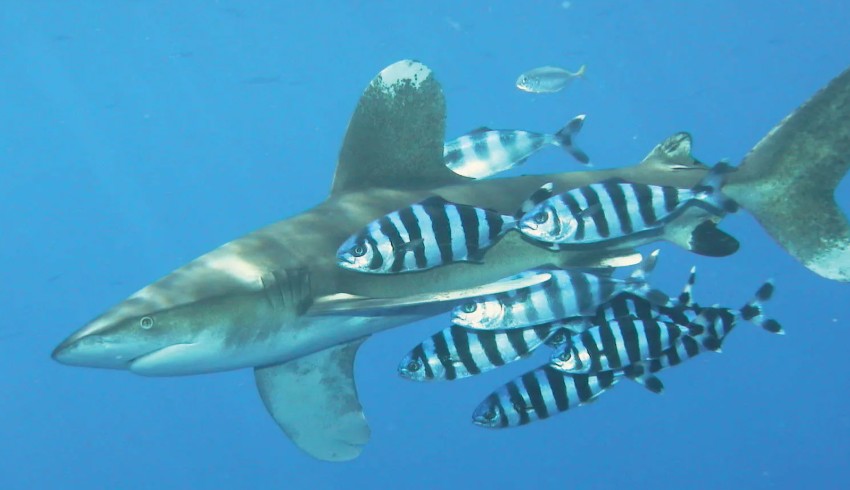
The ocean has many interesting ways in which animals help each other live. Some animals in the sea fight for food or space. But some work together and help each other stay alive. There are certain animals that form different kinds of partnerships so they can do better, and no one gets hurt in the process. A good example of this is called commensalism. In this type of relationship, one animal gets help, but the other does not feel much difference.
Looking into how living things work together in the ocean helps us see how different kinds of life are kept safe on coral reefs, in seagrass fields, and out in the open water. The way these ocean friends connect may not always stand out at first, but they help keep everything in balance. Many types of creatures live side by side because of these links. When we figure out how these connections work, it makes us feel even more amazed by life that happens under the waves.
How commensalism demonstrates nature’s balance
Commensalism happens when one sea animal gets shelter, a way to move, safety, or food from another. The animal that is helping does not get hurt or feel any big change. This is not like parasitism, where one is hurt, or mutualism, where both get something good. In commensalism, one animal uses what is there without making things worse for the other.
These commensalism examples in the ocean have changed over thousands of years. The animals and plants living in the water learned how to deal with challenges, like hungry animals, fast water, and not having many places to live. Instead of always fighting for food or space, some living things found smart ways to stay alive. They started living next to bigger animals or hid in natural places to stay safe.
Fascinating Examples of Marine Commensalism
1. Remoras and Sharks
Remoras are a great example of commensalism. They have a suction disc on top of their heads that helps them stick to sharks, rays, and whales. When these big animals move through the ocean, remoras get a free ride. They also eat leftover food from their hosts. The big animal can keep doing what it always does. There is little trouble for the host.
2. Barnacles on Sea Turtles
Barnacles often stick to the shells of sea turtles. This helps the barnacles move through water that has many food bits in it. Food is always nearby for them. When there are only a few barnacles, the turtles do not feel any big changes. The turtle goes on with life as normal.
3. Pearlfish and Sea Cucumbers
Some pearlfish go inside sea cucumbers for a short time to get away from other animals that might eat them. The sea cucumber keeps eating and moving on the sea floor, and at the same time, the fish gets a safe place to hide. The fish waits there until it is safe to come out.
4. Small Reef Fish and Coral Colonies
Many young fish stay in branching coral areas when they first start their lives. The coral helps keep them safe from animals that may want to eat them. This lets the fish grow stronger before they move out into the rest of the reef.
Why These Relationships Matter
Commensal interactions help make life in the sea stronger. This happens because different kinds of animals can use the things around them in the best way. They can do this without fighting each other for what they need.
Their ecological benefits include:
- Helping keep many kinds of life in reef areas.
- Helping more small sea life stay alive.
- Helping all life find and use shelter and food in a fair way.
- Helping the whole system stay healthy and balanced.
These bonds may look easy to understand, but they play a big part in keeping underwater places steady and balanced.
Protecting Marine Partnerships
Many living things depend on coral reefs that are doing well and on places in the ocean that are still healthy. But things like pollution, climate change, damage to places where animals live, too much fishing, and coral bleaching are putting these areas in danger. It makes it hard for many animals to live together and help each other as they do now.
Efforts to take care of the ocean include reducing plastic trash, looking after sea reserves, helping coral reefs grow again, and encouraging good fishing habits. These steps help save not just one type of sea life, but also the many connections in ocean life that keep all plants and animals in balance.
Conclusion
The ocean is full of living things that depend on each other, though many of these connections are easy to miss. Some ocean creatures live together in ways where one gets something good, and the other is not helped or hurt. These are called commensal partnerships. They show that life underwater is not just about fighting to survive. Sometimes it’s more about using the same area in a way that works for both. Learning about commensalism examples in the ocean helps us see how everything in the sea holds together.
When we look after coral reefs and other key places in the ocean, we are also taking care of these special relationships. These connections are what help ocean life stay strong and full of many types.






Post Comment