Smart Equipment Sourcing for Modern Farms: Why Used Construction, Agricultural, and Landscaping Equipment Makes Sense
The Rising Cost of Farming and the Case for Smarter Purchasing
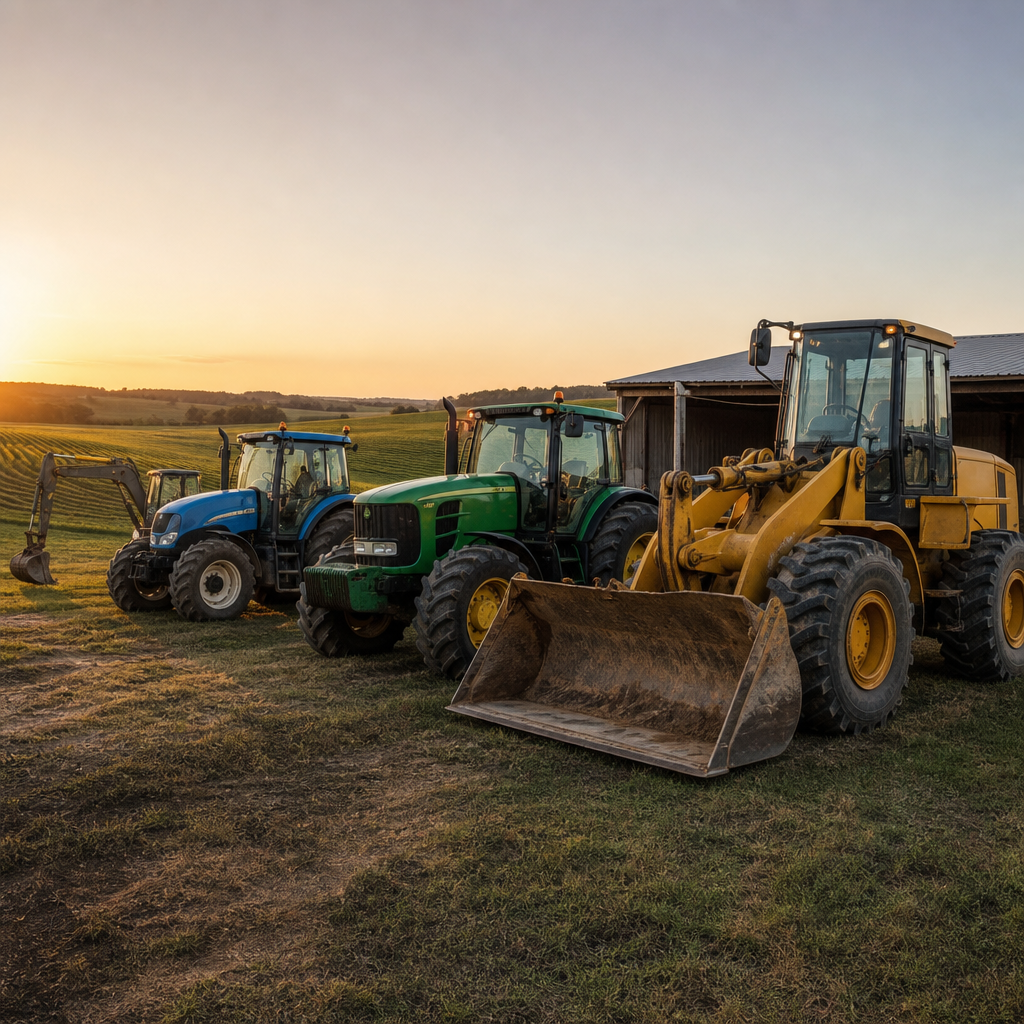
Running a productive farm or agricultural operation today demands more than hard work and good soil. It requires the right tools — and those tools come with increasingly steep price tags. From compact tractors and skid steers to boom mowers and hay balers, the capital investment required to equip a working farm has grown substantially over the past decade. For many operators, whether they manage a small family plot or a large commercial enterprise, buying brand-new machinery for every task simply isn’t financially sustainable. That’s where strategic sourcing of pre-owned equipment enters the picture — not as a compromise, but as a calculated business decision.
Understanding Total Cost of Ownership in Agriculture
When evaluating any piece of farm equipment, the sticker price is only one part of the equation. Total cost of ownership includes maintenance, fuel consumption, parts availability, resale value, and downtime risk. A well-maintained used tractor from a reputable dealer can deliver years of reliable service at a fraction of the cost of a new model. Savvy operators understand that depreciation hits hardest in the first few years of a machine’s life — meaning a two- or three-year-old unit often offers the best balance of modern features and reduced acquisition cost. This logic applies equally to construction equipment used on farms, such as excavators for pond digging or graders for road maintenance, and to landscaping tools like zero-turn mowers and stump grinders.
Matching the Right Equipment to the Right Operation
Not every farm needs the same machinery. A cattle operation in rolling hill country has vastly different requirements than a vegetable farm on flat irrigated land. Before purchasing any piece of equipment — new or used — operators should conduct a thorough needs assessment. What tasks need to be completed? How frequently? Over what terrain? What is the available storage and maintenance infrastructure? Answering these questions honestly prevents the common mistake of over-buying — acquiring a machine that’s too large, too complex, or too expensive to maintain for the actual workload it will face. Equally important is considering seasonal versatility. Equipment that can serve multiple functions across different times of year delivers far better return on investment than single-purpose machines that sit idle for months at a time.
Construction Equipment on the Farm: More Useful Than You Think
Many agricultural operators underestimate how frequently construction-grade equipment becomes necessary on a working farm. Excavators are invaluable for clearing fence lines, digging drainage ditches, and creating water retention features. Skid steer loaders handle everything from moving feed and compost to grading gravel driveways. Compact track loaders perform well in soft or muddy conditions where wheeled machines struggle. Owning this type of equipment — rather than renting it repeatedly — can generate significant savings over time, particularly for operations that require frequent earthmoving or infrastructure work. The key is finding quality used units that have been properly inspected and serviced before resale.
Soil Health, Crop Nutrition, and the Equipment That Supports It
Modern farming increasingly recognizes that equipment alone doesn’t drive productivity — soil health and crop nutrition are equally critical. Operators who invest in precision application equipment, such as used sprayers and spreaders, can deliver nutrients more efficiently and reduce input waste. For specialty growers, including those in the cannabis sector, this precision is especially important. Understanding the best nutrient programs for cannabis cultivation is just as essential as having the right equipment to apply them. The intersection of good agronomy and well-maintained machinery is where truly productive operations are built. Whether you’re growing row crops, specialty produce, or medicinal plants, the tools you use to manage soil inputs directly affect your bottom line.
Landscaping Equipment: Bridging Agriculture and Land Management
The boundary between agricultural and landscaping equipment has blurred considerably in recent years. Many farm operators also manage significant acreage of non-crop land — buffer zones, access roads, pastures, and property perimeters — that require regular maintenance. Zero-turn mowers, rotary cutters, brush hogs, and turf aerators are all tools that serve both agricultural and landscaping purposes. Purchasing quality used versions of these machines allows operators to maintain their entire property without dedicating a disproportionate share of their budget to equipment that sees only periodic use.
When Tractors Can’t Reach: Alternative Solutions for Difficult Terrain
Even the most well-equipped farm encounters terrain that challenges conventional machinery. Steep slopes, narrow rows, dense orchards, and waterlogged fields all present situations where standard tractors simply cannot operate safely or effectively. In these cases, operators must think creatively. As explored in this insightful piece on how motorcycles are used where tractors can’t go, alternative vehicles and equipment configurations can fill critical operational gaps. This principle extends broadly — the right tool for the right terrain is always more productive than forcing an ill-suited machine into a difficult situation. Used equipment markets often include specialized units designed for exactly these challenging conditions, from hillside mowers to narrow-track tractors built for orchard work.
H&R Agri-Power: A Trusted Source for Pre-Owned Farm and Construction Equipment
For operators serious about sourcing quality pre-owned machinery, working with an established and reputable dealer is essential. H&R Agri-Power has built a strong reputation across the agricultural community for offering a wide selection of thoroughly vetted pre-owned machines. Their inventory spans multiple categories and equipment types, giving buyers the flexibility to find exactly what their operation requires without overpaying for unnecessary features or capacity. The dealership’s knowledgeable staff understands the real-world demands of farming and construction work, which means buyers receive guidance grounded in practical experience rather than sales pressure. H&R Agri-Power’s commitment to quality and customer service makes them a go-to resource for operators looking to expand or upgrade their equipment lineup responsibly.
What to Look for When Buying Used Agricultural Equipment
Purchasing used equipment requires due diligence. Buyers should always request full service records, inspect hydraulic systems for leaks, check engine hours relative to the machine’s age, and test all operational functions before completing a purchase. Tires, tracks, and cutting edges are wear items that should be evaluated carefully, as replacement costs can be significant. Buying from a dealer rather than a private seller typically provides additional assurance — reputable dealers inspect and recondition their inventory before listing it for sale, reducing the risk of hidden mechanical issues. Financing options, warranty coverage, and parts support are also factors worth considering when choosing where to buy.
Building a Smarter Equipment Strategy for Long-Term Success
The most successful agricultural operations don’t just buy equipment — they build a coherent equipment strategy aligned with their production goals, terrain, budget, and long-term growth plans. This means periodically reassessing what’s in the fleet, retiring machines that no longer earn their keep, and selectively adding units that open new operational capabilities. Used construction, agricultural and landscaping equipment plays a central role in this strategy for many operators, offering a cost-effective path to maintaining a capable, versatile fleet without the financial strain of buying new across the board. When sourced carefully from trusted dealers and matched thoughtfully to operational needs, pre-owned equipment delivers exceptional value season after season.
Conclusion: Invest Wisely, Operate Efficiently
Modern farming demands both agronomic knowledge and sound business judgment. The equipment decisions you make today will shape your operation’s productivity and profitability for years to come. By approaching equipment acquisition strategically — prioritizing fit, condition, and total cost of ownership over novelty — agricultural operators can build fleets that genuinely support their goals. Whether you’re outfitting a new operation from scratch or upgrading an existing one, the used equipment market offers compelling opportunities for those willing to do their homework and work with dealers who share their commitment to quality.




Post Comment