Red Light Therapy Belt: Weight Loss and Recovery Solution?
You push through grueling workouts, track every meal, and still find yourself hitting a wall — whether it’s lingering muscle soreness that derails your next session or a stubborn plateau that makes the scale feel frozen in place. For fitness enthusiasts, these frustrations are all too familiar. Recovery takes longer than expected, and despite consistent effort, fat loss can stall in ways that feel impossible to overcome with exercise and diet alone.
Enter the red light therapy belt — a wearable wellness device that’s been quietly gaining traction among athletes, trainers, and health-conscious individuals. By delivering targeted wavelengths of red and near-infrared light directly to body tissues, these belts claim to support two of the most sought-after fitness goals: accelerating fat reduction and speeding up muscle recovery. It sounds almost too convenient to be true.
But is there real science behind the buzz, or is this just another wellness trend dressed up in LED lights? This article digs into what red light therapy belts actually do, what the research says about their effectiveness, and how fitness enthusiasts can use them safely and strategically. If you’re looking for a smarter way to support your training, the answer might be worth wrapping around your waist.
What is a Red Light Therapy Belt? Understanding the Technology
A red light therapy belt is a wearable device embedded with LED panels that emit specific wavelengths of red light — typically between 630 and 660 nanometers — and near-infrared light, ranging from 800 to 850 nanometers. Unlike general infrared body wraps that rely primarily on heat to produce surface-level warmth, red light therapy belts work at a cellular level, delivering light energy that penetrates beneath the skin without generating significant heat. This distinction matters: heat-based wraps primarily cause temporary fluid loss, while red light therapy targets the body’s biological processes more directly.
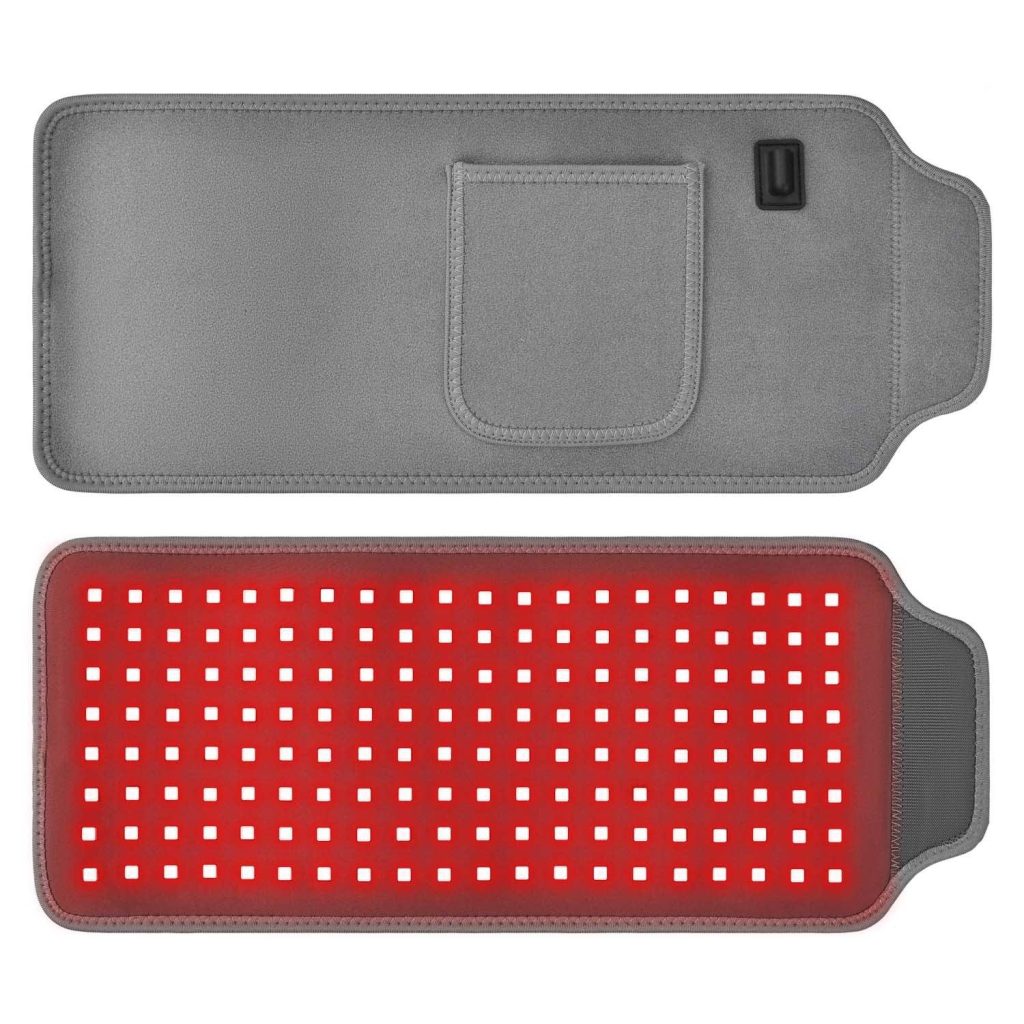
The science centers on a process called photobiomodulation. When red and near-infrared wavelengths reach skin and underlying tissues, they are absorbed by mitochondria — the energy-producing structures within cells. This absorption stimulates the production of adenosine triphosphate (ATP), the primary fuel source cells use to carry out repairs, reduce inflammation, and perform essential functions. Alongside this boost in cellular energy, the light exposure also promotes nitric oxide release, which dilates blood vessels and improves local circulation. Better blood flow means more oxygen and nutrients delivered to tissues and faster removal of metabolic waste — a key driver for both recovery and metabolic activity.
Key Components and How It Works
Most belts feature dual-wavelength LED arrays housed in a flexible, adjustable wrap designed to contour around the abdomen, back, or joints. Brands operating in the red light therapy space — including YouLumi, which applies the same core photobiomodulation technology across its device lineup — typically engineer these panels to deliver consistent, clinically relevant irradiance levels across the treatment surface. Sessions typically run 10 to 20 minutes, with users wearing the belt directly against bare skin to maximize light absorption and therapeutic penetration.
The Science Behind Red Light Therapy for Weight Loss
The idea that shining light on your midsection could help reduce fat sounds more like science fiction than physiology — but there’s a growing body of research suggesting the mechanism is real, even if the results require context. Studies on photobiomodulation have shown that red and near-infrared light can trigger the formation of transient pores in fat cell membranes, a process called lipolysis induction. These temporary openings allow lipids stored inside adipocytes to leak out into surrounding tissue, where they can be metabolized for energy. A notable clinical trial published in the journal Lasers in Surgery and Medicine found measurable reductions in waist, hip, and thigh circumference following regular red light therapy sessions over several weeks.
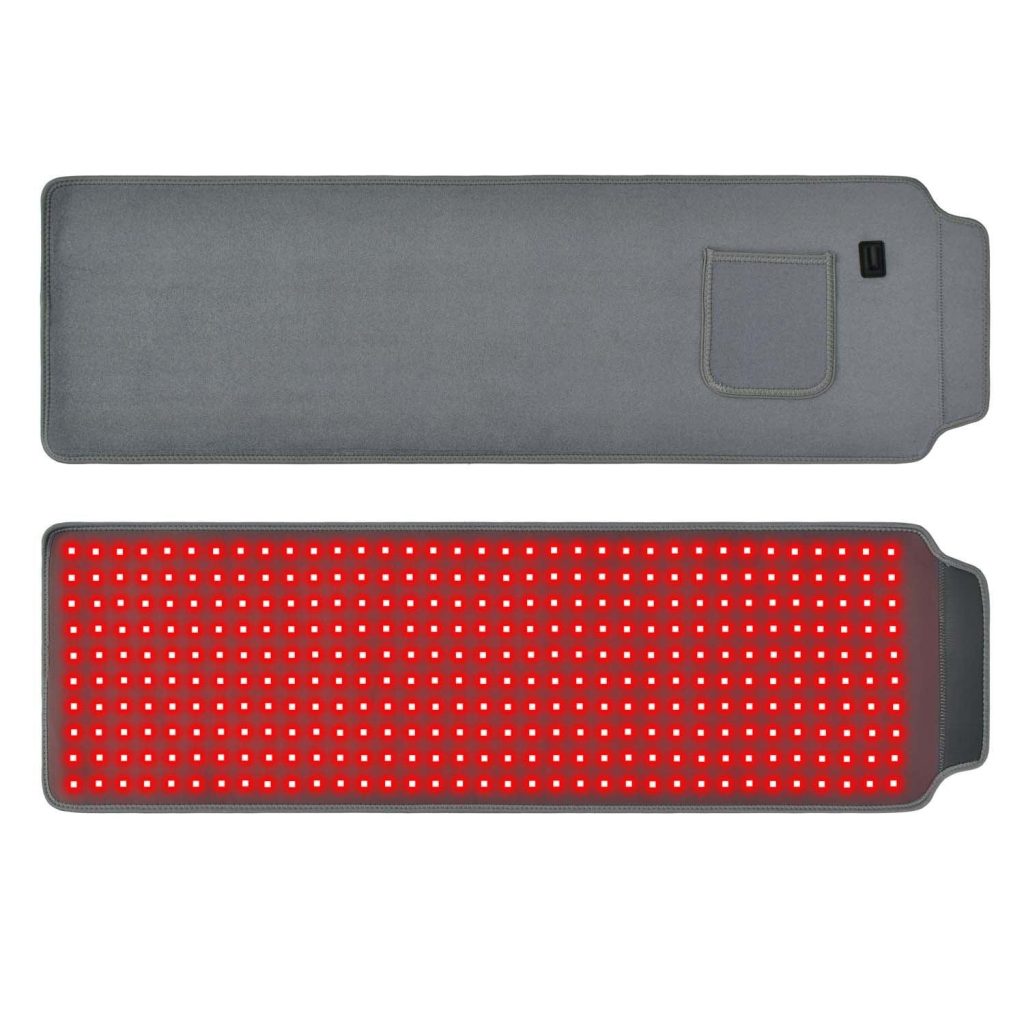
Beyond fat cell disruption, red light therapy may support weight management through its effect on metabolism. By boosting mitochondrial ATP production, the therapy enhances the cellular machinery that drives caloric expenditure. Improved circulation also plays a role — better blood flow through adipose tissue supports the body’s ability to mobilize and use stored fat more efficiently, particularly when combined with aerobic exercise.
That said, managing expectations is essential. Red light therapy for weight loss is not a standalone fat-burning solution. Users who reported the most meaningful results paired their belt sessions with consistent physical activity and a controlled diet. The belt won’t override a caloric surplus. Think of it less as a shortcut and more as a metabolic amplifier — one that works best when the foundational habits of nutrition and movement are already in place. Spot reduction myths aside, the measurable circumference changes seen in studies suggest real, if modest, localized effects worth pursuing strategically.It is also important to recognize that non-invasive approaches like red light therapy are designed to support general wellness and body composition goals rather than treat medical conditions involving abnormal fat accumulation. For individuals diagnosed with lipedema, a chronic condition that causes painful and disproportionate fat buildup, specialized medical care is often necessary. In appropriate cases, Lipedema Surgery can play an important role in reducing symptoms, improving mobility, and enhancing quality of life as part of a comprehensive treatment plan.
Boosting Muscle Recovery and Performance
For anyone who trains seriously, recovery isn’t a luxury — it’s a performance variable. The faster your muscles repair between sessions, the harder you can push in the next one. This is where red light therapy belts have drawn significant interest from athletes and trainers looking for a non-invasive edge. The underlying mechanism connects directly to what makes photobiomodulation useful at a cellular level: when near-infrared light penetrates muscle tissue, it reduces oxidative stress and down-regulates pro-inflammatory cytokines — the signaling molecules responsible for delayed onset muscle soreness (DOMS). Less inflammation means less pain and stiffness in the 24 to 48 hours following intense exercise.
Research supports this application more robustly than almost any other claimed benefit of red light therapy. A meta-analysis published in the American Journal of Physical Medicine & Rehabilitation found that photobiomodulation applied before and after resistance training significantly reduced muscle fatigue and soreness while improving subsequent strength output. The mechanism goes beyond inflammation control — the ATP boost generated at the mitochondrial level accelerates protein synthesis, helping muscle fibers rebuild faster after being broken down during exercise.
In practical terms, wrapping the belt around a worked muscle group — the lower back after deadlifts, the abdominal region after core training, or the hip flexors after long runs — for 15 to 20 minutes post-workout can meaningfully reduce recovery time. Athletes using red light therapy consistently report being able to return to full-intensity training sooner, with less reliance on passive rest days. When stacked into a structured training program, that cumulative recovery advantage compounds into measurable performance gains over time.
Alleviating Chronic Pain with Infrared Therapy
Chronic pain doesn’t just affect comfort — it directly undermines athletic consistency. When joint stiffness or persistent muscle aches force you to modify training or skip sessions entirely, progress stalls. Red light therapy belts offer a non-pharmacological way to manage this kind of ongoing discomfort, making them particularly relevant for active individuals dealing with repetitive strain, lower back tension, or inflammatory joint conditions.
Near-infrared wavelengths penetrate deeper than red light — reaching tendons, ligaments, and joint capsules where chronic pain often originates. At these depths, the light reduces the activity of inflammatory mediators and supports tissue regeneration by stimulating collagen synthesis. For conditions like lumbar pain or hip flexor tightness that plague runners and lifters alike, consistent belt use over several weeks has been associated with meaningful reductions in baseline pain levels, not just temporary relief.
What makes this particularly useful for fitness-focused individuals is the absence of systemic side effects that accompany long-term NSAID use. Rather than masking pain signals, red light therapy works with the body’s repair systems to address underlying tissue dysfunction. Wrapping the belt around a chronically sore area for 15 to 20 minutes during rest periods — not just post-workout — builds a cumulative therapeutic effect. Over time, lower resting pain levels translate directly into better movement quality, fuller range of motion, and the ability to train with greater consistency and confidence.
Practical Guide: Safe and Effective Use for Fitness Enthusiasts
Getting real results from a red light therapy belt comes down to consistency and correct application — not just strapping it on and hoping for the best. The first rule is skin contact: the belt must sit directly against bare skin, not over clothing. Light cannot penetrate fabric effectively, and even a thin layer of material dramatically reduces therapeutic absorption. Position the belt over the specific area you want to target — the abdomen for metabolic support, the lower back for recovery, or around a joint experiencing chronic tension.
Session duration matters more than intensity. Most research-backed protocols recommend 10 to 20 minutes per session, with 15 minutes representing a practical sweet spot for most users. Exceeding 20 minutes per area doesn’t meaningfully increase benefit and can cause mild skin irritation with repeated overuse. Frequency should sit at four to five sessions per week during active training blocks, with three sessions sufficient during lighter recovery weeks.
Timing within your training schedule shapes outcomes significantly. Use the belt post-workout on days focused on recovery, applying it within 30 to 60 minutes after training while inflammation is still in its acute phase. On rest days, a midday session targeting chronically tight areas builds cumulative tissue repair without competing with training demands. Avoid using the belt over broken skin, active rashes, or areas of unknown pain that haven’t been medically assessed. Individuals with photosensitivity conditions or those taking photosensitizing medications should consult a physician before starting.
Step-by-Step Solution for Optimal Results
Pre-workout: hydrate well and ensure skin is clean and dry before strapping on the belt. During sessions, remain still to maintain consistent contact and light distribution across the treatment area. Post-workout: apply the belt to the most-worked muscle group within an hour of finishing, pairing the session with light stretching or diaphragmatic breathing to further support circulation and parasympathetic recovery. Track sessions in your training log alongside soreness and performance metrics — patterns will emerge within two to three weeks that help you refine placement, timing, and frequency for your specific body and goals.
Red Light Therapy Belts: Real Benefits, Realistic Expectations
Red light therapy belts occupy a genuinely useful space in the fitness toolkit — not as miracle devices, but as science-backed tools that can meaningfully support the goals most active people are already working toward. The evidence points to real, measurable benefits: modest but consistent reductions in localized fat tissue when paired with exercise and proper nutrition, faster muscle recovery through reduced inflammation and accelerated cellular repair, and meaningful relief from the chronic pain that so often undermines training consistency.
The key is using them as amplifiers, not replacements. No belt compensates for poor sleep, inadequate nutrition, or inconsistent training — but when those foundations are solid, targeted red light therapy can help you recover faster, hurt less, and push harder over time. That cumulative edge matters more than any single session.
Before beginning regular use, particularly if you have underlying health conditions, photosensitivity concerns, or are managing a diagnosed pain condition, consulting a healthcare professional is worth the step. Used correctly and consistently, a red light therapy belt is one of the more evidence-supported wearable recovery tools available today — and for fitness enthusiasts looking for a smarter approach to their body’s limits, that’s a meaningful distinction.





Post Comment