How Do Privacy Screens Help Separate Outdoor Zones in Shared Residential Spaces?
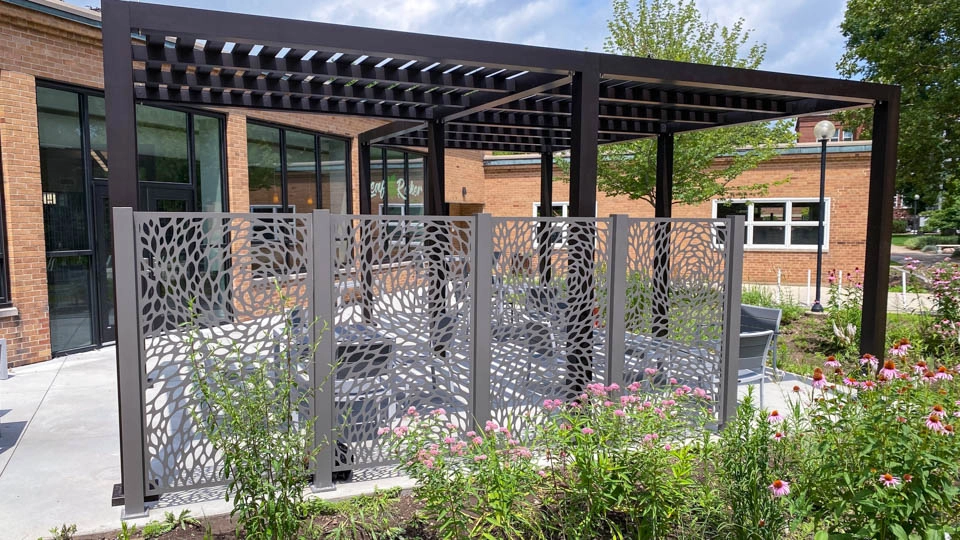
Shared residential spaces often need more than furniture to feel comfortable, organized, and easy to use. Patios, courtyards, balconies, side yards, and open garden areas can quickly become awkward when dining, relaxing, storage, play, and neighbor views all overlap. Privacy screens help create gentle separation without making outdoor areas feel closed in or heavily altered. They guide how people move through a space, soften visual exposure, and give each zone a clearer purpose. For homes with families, tenants, or close neighbors, screens can turn one open outdoor area into several usable spaces that feel calmer and more personal.
Clearer Outdoor Living
- Creating Boundaries Without Building Walls
Privacy screens are useful because they divide outdoor areas without the weight, cost, or permanence of full walls. In shared residential spaces, one person may want a quiet corner for reading while another needs room for children, guests, pets, or outdoor meals. A screen can mark these zones clearly while still allowing airflow, daylight, and a sense of openness. This matters in compact homes where every square meter has to work harder. A dining table placed beside a lounge chair may feel crowded until a timber, lattice, metal, or fabric screen gives each area its own edge. The result is not complete isolation, but a softer boundary that helps everyone understand where one activity ends and another begins. Because screens can be placed along fences, patios, decks, or garden beds, they help shape outdoor routines without requiring major structural change.
- Making Shared Spaces Feel More Comfortable
Comfort in shared outdoor areas often depends on how exposed people feel. Even a pleasant courtyard can go unused when it faces a neighbor’s window, a driveway, a shared path, or another household’s seating area. Privacy screens reduce that sense of being watched while still keeping the area friendly and breathable. They are especially helpful in duplexes, townhouses, granny flats, and homes with rental units where outdoor zones sit close together. A screen beside a barbecue area can make meals feel more relaxed, while one near a small seating corner can give residents a calm place to unwind. Homeowners planning small outdoor upgrades often consider Vendas Maintenance for screening that suits existing fences, gardens, and everyday use. Screens can also soften the visual movement of noise, making busy spaces feel less distracting even when several people are outside at once.
- Supporting Different Activities in One Yard
One open yard can serve many purposes, but it often needs visual order to work well. Privacy screens help create that order by separating active areas from quiet ones. A play space can be set up behind a screen while adults use a nearby dining area. A clothesline, storage section, bin area, or pool equipment space can be partly hidden so the main outdoor zone feels tidier. In shared residential spaces, this separation helps reduce small conflicts because each activity has its own place. People do not have to move furniture around constantly or avoid using the yard because someone else is already outside. Screens also help frame garden beds, outdoor kitchens, spa areas, and pet spaces in an intentional way. Rather than making the yard feel smaller, a thoughtful screen can make it feel more useful by giving each section a role.
- Adding Privacy While Keeping Style Flexible
Privacy screens do more than block views; they also influence the look and mood of an outdoor area. A tall solid screen can create a sheltered retreat, while a slatted or lattice style gives partial privacy with lighter shadows and airflow. In shared residential settings, this flexibility is valuable because different zones may need different levels of coverage. A balcony may only need a side screen to reduce overlooking, while a courtyard may benefit from panels that frame seating and planting. Materials can also change the feel of the space. Timber can feel warm and natural, metal can look clean and modern, and lattice can support climbing plants for a softer garden effect. Screens can match existing fences, blend with pergolas, or contrast with paving and furniture. This helps residents improve function without making the outdoor area look patched together.
- Helping Small Outdoor Areas Work Harder
Small outdoor spaces often feel limited because everything is visible at once. Privacy screens help create depth by dividing the view into layers. A narrow side yard can serve as a service area and a small sitting zone when a screen hides tools, bins, or other utility items. A compact patio can feel more inviting when one side is shielded from nearby windows or shared walkways. In apartments and townhouses, screens can also make balconies feel less like exposed platforms and more like outdoor rooms. This is important because people are more likely to use small spaces when they feel protected and purposeful. Screens can guide furniture placement, support vertical planting, and reduce clutter by giving hidden corners a practical role. When used carefully, they make limited outdoor areas feel more settled, private, and easier to enjoy every day.
Privacy screens help make shared residential spaces more comfortable, organized, and usable without major renovation. They separate outdoor zones, reduce visual exposure, support different activities, and improve the way people move through patios, gardens, balconies, and courtyards. Their value comes from balance: they create privacy without fully closing the space, and they add structure without making outdoor areas feel rigid. Whether used beside seating, dining, storage, play areas, or garden features, screens help residents enjoy outdoor living with fewer distractions. In homes where people live in close quarters, that quiet separation can make daily outdoor use feel much easier.





Post Comment