London Construction Tips for Property Upgrades
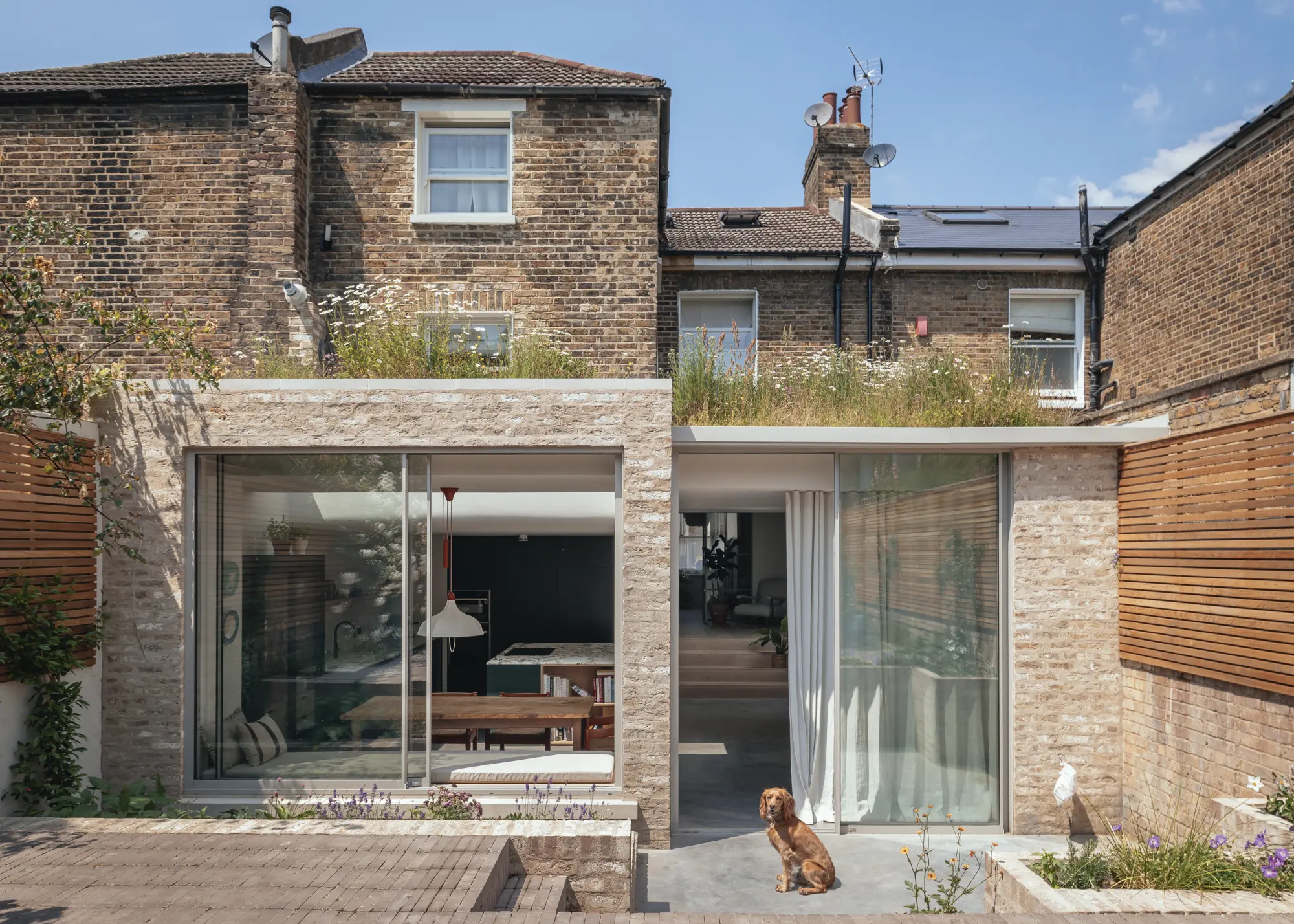
Upgrading a home in London presents a unique set of opportunities and challenges. Whether you own a Victorian terrace in Islington, an Edwardian semi-detached house in Clapham, or a modern apartment in Canary Wharf, adding space and modernising your interior is an excellent way to increase your property value. However, the capital’s architectural heritage and dense urban layout require a specific approach to planning and execution. This comprehensive guide shares essential insights to help you manage your renovation project efficiently, avoid legal pitfalls, and achieve high-quality results.
Navigating Planning Permissions and Local Borough Restrictions
Understanding local regulation is your very first step when planning any building project. London is divided into thirty-three distinct boroughs, each with its own specific planning policies, local guidelines, and heritage priorities. Before you hire a construction team or purchase materials, you need to determine if your proposed project falls under permitted development rights or requires full planning permission from your local council. For landlords and homeowners managing repairs or upgrades in North London, choosing experts in property maintenance Islington can also help ensure the work aligns with local expectations and building standards
Permitted development allows you to make certain improvements without submitting a full planning application, saving you significant time and administrative costs. For instance, terraced houses can often expand their roof space by up to forty cubic metres, while semi-detached or detached properties have an allowance of fifty cubic metres. Single-storey rear extensions can also proceed under these rights, provided they do not exceed three metres in depth for terraced homes or four metres for detached houses. The maximum total height for these structures must remain under four metres to remain compliant.
However, over sixty percent of properties across London are subject to tighter restrictions due to conservation areas or Article 4 directions. If your home stands in a designated conservation area, such as parts of Kensington, Chelsea, Westminster, or Camden, your rights are significantly restricted. Side extensions and external cladding are generally banned, and any alteration to the front elevation will require full council approval. In these sensitive historic areas, you must prepare detailed architectural drawings that respect the local streetscape. You should prioritize the following design elements to meet local standards:
- Use matching brickwork that corresponds perfectly to the colour, texture, and bonding pattern of the original house.
- Install traditional timber sash windows instead of modern plastic alternatives to preserve the historic facade.
- Source authentic slate or clay tiles for roof extensions to maintain consistency with neighbouring properties.
- Retain original exterior features such as chimneys, cornices, and decorative brick archways.
Engaging with your local borough’s planning portal early or seeking formal pre-application advice can save you months of delays and thousands of pounds in design revisions. Local authorities protect the visual character of their neighbourhoods fiercely, so having precise, compliant plans from day one is indispensable for a smooth project.
Managing Urban Logistics, Party Walls, and Structural Safety
Renovating in a densely populated metropolitan area involves major physical and legal logistics. Unlike rural or suburban projects where builders have ample space for skips, scaffolding, and material storage, London building sites are often tight, compact, and highly restricted by traffic regulations.
One of your primary legal requirements before breaking ground is addressing the Party Wall etc. Act 1996. If you are building an extension near a property boundary line, cutting into a shared wall to insert structural steel beams, or digging foundations within three to six metres of a neighbouring structure, you must serve a formal party wall notice. You should issue this notice to all affected neighbours at least two months before your structural work begins. If your neighbours dissent or fail to respond, you will need to appoint qualified surveyors to draw up a party wall award. This legal document protects both parties, establishes the current condition of the neighbouring property, and outlines exactly how the work will be executed, preventing costly legal disputes or damage claims during construction.
Physical access is another operational factor that requires meticulous planning. Narrow terraced streets, red routes, red zones, and congestion charge areas mean that scheduling material deliveries requires ultimate precision. You or your chosen building contractor must secure skip permits and parking suspensions from the local council well in advance of the start date. Large structural components, such as heavy steel frames used to create modern open-plan kitchens, might require a crane for installation, which demands separate highway licensing and traffic management plans. Choosing an experienced local construction team ensures that these complex logistical details are seamlessly integrated into the master project timeline, keeping your build on track while maintaining positive relationships with your immediate neighbours.
Maximising Structural Value with Smart Loft and Extension Upgrades
When planning your layout and budget allocation, focus on structural upgrades that deliver the highest long-term return on investment. In London, maximizing usable square footage is the primary driver of property value growth, making clever space utilisation the ultimate goal of any upgrade.
Loft conversions remain one of the most profitable ways to add an extra bedroom and a self-contained bathroom without sacrificing your outdoor garden area. A rear dormer conversion is exceptionally effective for Victorian and Edwardian properties, as it creates a full-height room with vertical walls, eliminating the cramped feel of a steeply sloped roof. To comply with standard permitted development rules, your new dormer must be set back at least twenty centimetres from the original eaves and must not exceed the highest part of the current roof ridge. All windows facing the side elevation must use obscure-glazed glass and be non-opening to protect neighbour privacy.
For ground-floor improvements, a single-storey rear or side-return extension can completely transform a traditional dark layout into a bright, contemporary, open-plan kitchen and living area. Side-return extensions utilise the narrow, unused alley space alongside historical terraced homes, widening the rear of the property without reducing the length of your garden. This type of alteration is perfect for creating a spacious family hub. Incorporating structural glass roofs, roof lanterns, or large bi-fold doors allows natural light to penetrate deep into the ground floor, resolving the common problem of dark middle rooms typical in period properties.
To ensure long-term legal compliance and smooth property transactions in the future, always obtain a Lawful Development Certificate from your council for any work completed under permitted development. This document provides permanent official proof that your project was completely legal at the time of construction, which is vital when you eventually decide to sell or remortgage your home. London construction tips for property upgrades focus heavily on aligning your creative design goals with strict regulatory frameworks. Focusing on premium materials, clear legal compliance, and smart spatial layout will guarantee that your property upgrade stands the test of time and significantly boosts your home’s equity.








Post Comment